Award-Winning Algebra Tutors
serving Jacksonville, FL
Algebra
Tutors in Jacksonville
Private 1-on-1 tutoring, weekly live classes for academic support, test prep & enrichment, practice tests and diagnostics, and more to elevate grades and test scores.
Based on 3.4M Learner Ratings
UniversitiesSchools & Universities
DeliveredHours Delivered
ProficiencyGrowth in Proficiency
Who needs tutoring?
No obligation. Takes ~1 minute.

When a student stares at a word problem and has no idea where to start, the issue usually isn't algebra skills — it's translating language into equations. Joshitha teaches a structured approach to that translation step, then builds speed with factoring, systems, and inequalities once the setup makes sense. Her emphasis on problem-solving strategy over rote repetition gives students tools they'll carry into every future math class.
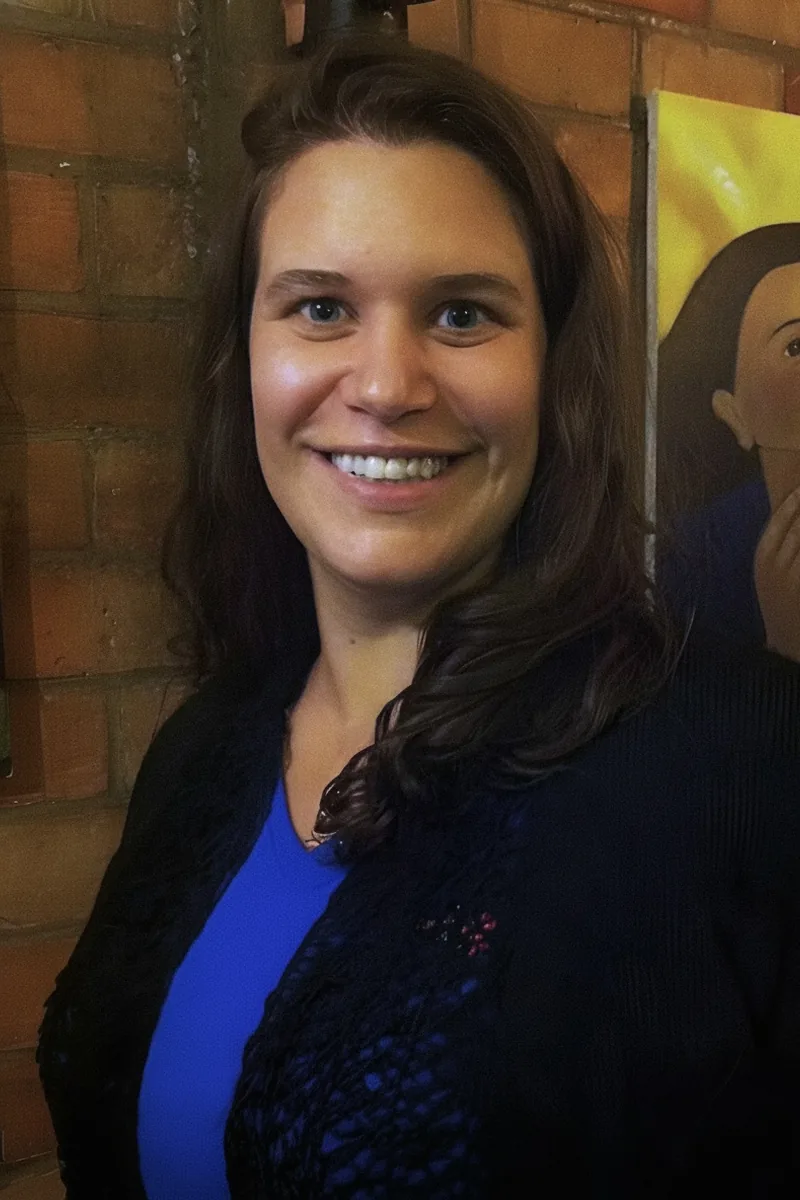
When a student stares at a system of equations or a quadratic formula and asks "when will I ever use this?" Miriam has a real answer: she uses algebra routinely to analyze spacecraft data on lunar and asteroid compositions. She breaks down factoring, inequalities, and function behavior by tying abstract steps to concrete reasoning, drawing on years of tutoring college athletes through similar material at Duke.
Most algebra struggles come down to one thing: students learn procedures without understanding what the symbols actually represent. Emerson digs into that gap, walking through what it means to solve an equation or graph a line so that techniques like factoring or working with systems of equations follow naturally. His 1560 SAT score reflects the kind of mathematical fluency he brings to every session.
Solving multi-step equations, working with inequalities, and translating word problems into algebraic expressions — these are the skills that trip students up most in algebra. Tanisha approaches each of these by building the reasoning behind every step, so students actually understand why they're isolating a variable or factoring a quadratic rather than just following a memorized procedure.
When algebra feels like an endless set of disconnected procedures — distributing, factoring, solving for x — something has gone wrong with the foundation. Michael teaches each technique as a tool with a specific purpose, so students understand why they're factoring a quadratic or when completing the square is the better move. That conceptual grounding is what separates students who survive algebra from those who actually use it later in science and engineering.
Most Algebra frustration comes down to one thing: students learn a procedure for solving equations but can't adapt when the problem looks slightly different. Krina earned multiple math awards in high school by mastering exactly that flexibility, and she passes it along by teaching students to read what an equation is actually asking before picking a method.
A lot of algebra struggles come down to one thing: students learn procedures without understanding what the equations actually represent. Daniel unpacks concepts like systems of equations and quadratic functions by tying them to real scenarios — profit models, break-even analysis, growth patterns — drawn from his finance and accounting coursework at UNF. Rated 4.9 by students, he makes abstract manipulation feel purposeful.
A strong visual thinker with a 5.0 client rating, Emily teaches algebra by connecting equations to their graphs early and often — so that solving a system of linear equations, for instance, means understanding what those intersecting lines actually represent. She's particularly effective with students who feel lost in purely symbolic manipulation and need to see the bigger picture before the steps make sense.
Word problems are usually where algebra confidence collapses, because translating English into equations demands a different skill than solving them. Priya tackles that translation process head-on, teaching students to identify variables and relationships before touching any arithmetic. Her approach turns the messiest story problems into straightforward systems.
The leap from arithmetic to algebraic thinking is where many students lose confidence, especially around solving multi-step equations and working with variables on both sides. Anushree tackles this by connecting abstract expressions to concrete scenarios — translating word problems into equations step by step so the logic clicks, not just the procedure.
When a student can't solve a system of equations or factor a quadratic, Daniel digs into which specific step is breaking down rather than re-teaching the whole procedure from scratch. His years of tutoring since 2017 have given him a reliable sense of the most common algebra mistakes and how to fix them quickly.
Every equation in accounting traces back to algebraic reasoning — balancing terms, isolating variables, interpreting linear relationships. Stephen breaks down topics like systems of equations and inequalities by tying them to concrete scenarios, drawing on years of financial problem-solving at PwC to show students why algebra matters beyond the textbook.
Years of moving between grade levels in Florida's school system gave Samantha a clear picture of where algebra gaps start and how they compound — a shaky grasp of variable expressions in seventh grade becomes a crisis with quadratics by tenth. She zeroes in on the specific conceptual break and rebuilds from there, whether that's distributing, factoring, or solving systems.
When a student stares at a system of equations or a quadratic and doesn't know where to start, the issue is almost always a gap in translating the problem into a plan. Jason teaches algebra as a decision-making process: identify what you're solving for, choose the right technique, then execute. His molecular and cellular biology studies at UNF keep him fluent in algebraic manipulation every single day.
The jump from arithmetic to Algebra is really a jump from calculating answers to reasoning about relationships — and that shift trips up more students than any single topic. Leo breaks down concepts like solving multi-step equations, graphing linear functions, and factoring by building each skill on the one before it. Rated 4.9 by students, he pairs an engineering problem-solver's instincts with a trained educator's patience.
Solving equations is one thing; understanding why you can add the same value to both sides, or what a variable actually represents, is another. Jenna digs into that conceptual layer of algebra — particularly around word problems and translating real situations into expressions — so students build reasoning skills alongside procedural fluency.
When students struggle with algebra, it's usually not the whole subject — it's one specific gap, like distributing negatives or setting up equations from word problems, that creates a chain reaction of confusion. Danielle pinpoints that gap and rebuilds from there, covering everything from linear equations to quadratic factoring with an emphasis on why each step works.
Translating word problems into equations is where most algebra students get stuck, and Peyton's background in marketing analytics means she's spent years turning real-world scenarios into mathematical relationships. She breaks down the logic behind setting up expressions, solving linear systems, and interpreting slope so the process feels intuitive rather than mechanical.
Solving a system of equations is straightforward once you see it; the hard part is knowing which method — substitution, elimination, graphing — fits which problem and why. Harrison zeroes in on that decision-making process, teaching students to read an equation's structure before jumping into steps. He holds a 5.0 client rating.
The jump from arithmetic to algebra trips students up when variables start representing unknowns instead of fixed quantities. Nicholas eases that transition by teaching students to translate word problems into equations, manipulate expressions confidently, and build the kind of systematic problem-solving habits that carry through every math course ahead.
The jump from arithmetic to algebraic thinking — where letters replace numbers and equations need solving in multiple steps — trips up students who never learned to read a problem structurally. Leslie teaches students to translate word problems into equations and to recognize patterns in expressions like factoring or distributing. Her methodical approach turns abstract notation into something students can actually follow.
Having tutored middle school math before diving into her biology degree at the University of Florida, Ayomide watched firsthand how early gaps in proportional reasoning and order of operations snowball into algebra roadblocks — so she knows exactly which building blocks to shore up when a student struggles with solving equations or working with expressions. She calls algebra her favorite subject to teach, and that genuine enthusiasm comes through in sessions where she slows down at the exact moment confusion hits rather than pushing ahead.
Hannah approaches algebra the way she approaches a complex text — by breaking it into parts and finding the underlying logic. Her emphasis on translating word problems into equations draws on her strength as a writer and close reader, making variables and expressions feel less abstract.
Testimonials
Because the right Algebra tutor makes all the difference.
Average Session Rating – Based on 3.4M Learner Ratings
Practice Algebra
Free practice tests, flashcards, and AI tutoring for Algebra
Nearby Algebra Tutors
Other Jacksonville Tutors
Related Math Tutors in Jacksonville
Frequently Asked Questions
Many students struggle with the transition from arithmetic to abstract thinking—understanding why we use variables and how to manipulate equations rather than just following steps. Word problems are another major challenge, as they require translating real-world scenarios into mathematical expressions. Multi-step equations, graphing, and connecting different algebraic concepts often feel disconnected, making it hard to see the bigger picture. Personalized 1-on-1 instruction helps students build conceptual understanding alongside procedural fluency, so algebra starts to make sense rather than feel like memorized rules.
The first session focuses on understanding your current strengths and challenges. A tutor will assess your comfort level with foundational concepts, identify specific areas where you're struggling (like graphing, solving equations, or word problems), and discuss your goals—whether that's improving your grade, preparing for a test, or building confidence. From there, the tutor develops a personalized plan tailored to your learning style and pace, ensuring every session builds on what you've already learned.
Showing work isn't just about getting the right answer—it's about demonstrating your thinking and catching mistakes along the way. Tutors help you develop clear problem-solving strategies by breaking multi-step problems into manageable pieces and explaining each step. This builds both accuracy and confidence, since you'll understand not just what to do, but why each step matters. Over time, this structured approach becomes second nature, and your written work becomes a clear record of your mathematical thinking.
Yes. Jacksonville's schools use different textbooks and approaches, and tutors are experienced working across various curricula—whether your school uses traditional textbooks, online platforms, or specific programs. Tutors align their instruction with what you're learning in class, so the concepts they reinforce match your curriculum exactly. This continuity between tutoring and classroom learning helps you progress faster and feel more confident in your actual coursework.
Absolutely. Math anxiety often stems from feeling lost or rushed, which personalized tutoring directly addresses. Working one-on-one means you can ask questions without pressure, move at your own pace, and build confidence through small wins and clear explanations. Many students find that once they understand the concepts—rather than just memorizing procedures—their anxiety decreases significantly. Tutors create a supportive environment where mistakes are learning opportunities, not failures.
Rather than treating each problem type as separate, tutors help you recognize underlying patterns—like how all linear equations follow the same structure, or how graphing and solving are connected. By working through related problems and discussing the 'why' behind each step, you start seeing algebra as an interconnected system rather than isolated rules. This deeper understanding makes new topics easier to learn and helps you apply what you know to unfamiliar problems.
The key is breaking word problems into steps: read carefully to identify what you know and what you're solving for, define your variable, translate the words into an equation, solve, and check your answer. Tutors teach you this systematic approach and help you practice translating everyday language into mathematical expressions. With guided practice, word problems shift from feeling overwhelming to manageable—you're not trying to do everything at once, but following a clear process.
Varsity Tutors connects you with tutors who have strong backgrounds in mathematics and proven teaching experience. They understand algebra deeply—not just how to solve problems, but how to explain concepts clearly to students at different levels. Tutors are selected based on their expertise, communication skills, and ability to adapt to individual learning styles, ensuring you're working with someone who can help you truly understand algebra rather than just get through assignments.
Let’s find your perfect tutor
Answer a few quick questions. We’ll recommend the right plan and match you with a top 5% tutor.