Award-Winning Middle School Math Tutors
serving Ann Arbor, MI
Middle School Math
Tutors in Ann Arbor
Private 1-on-1 tutoring, weekly live classes for academic support, test prep & enrichment, practice tests and diagnostics, and more to elevate grades and test scores.
Based on 3.4M Learner Ratings
UniversitiesSchools & Universities
DeliveredHours Delivered
ProficiencyGrowth in Proficiency
Who needs tutoring?
No obligation. Takes ~1 minute.
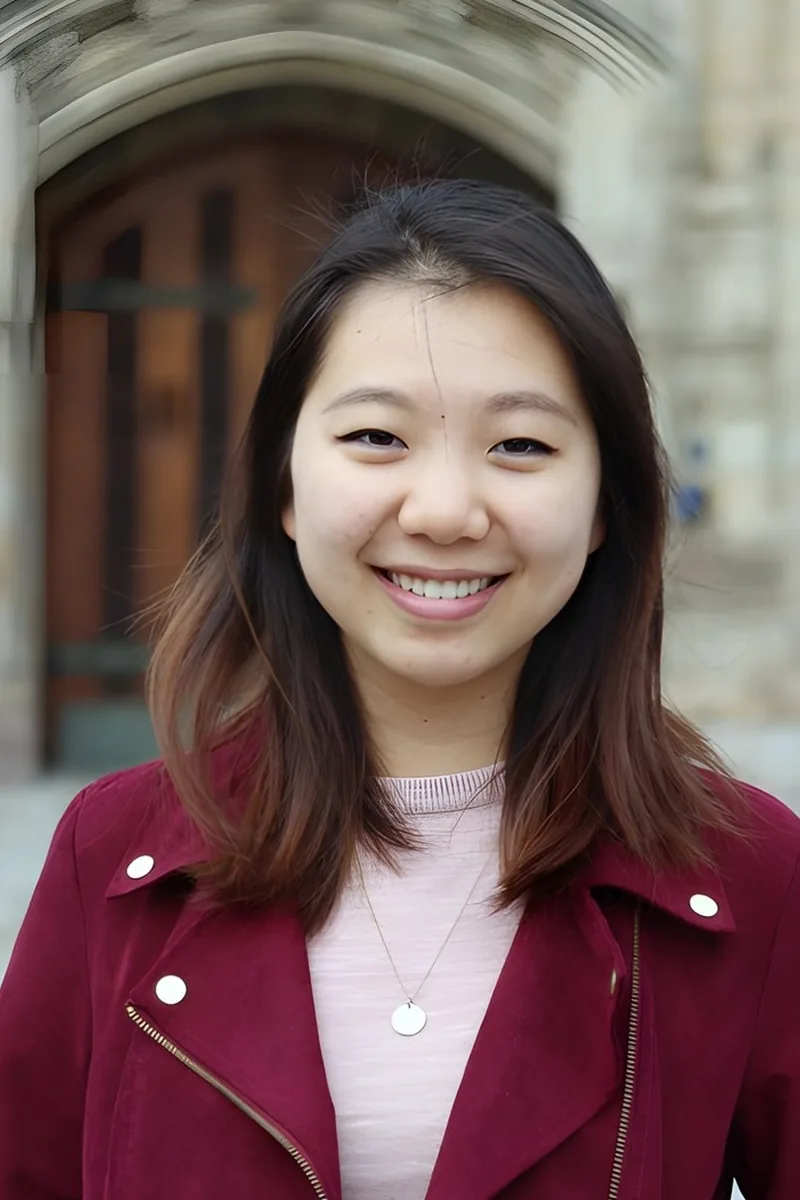
Fractions, ratios, and proportional reasoning are where math starts to feel abstract for the first time — and where a lot of students quietly lose confidence. Megan spent four years tutoring K-12 math and knows how to make concepts like integer operations and basic geometry click before students carry gaps into high school. Rated 5.0 by students.

Ratios, proportional reasoning, and introductions to negative numbers can feel like a completely new language for middle schoolers. Suzie makes these concepts concrete — she's the kind of tutor who'll use a real scenario to explain why dividing by a fraction means multiplying, then make sure the mechanics stick through practice. She holds a 5.0 rating across her students.
I am a learner for life and I love sharing my knowledge with others. I have tutored middle-school students for one year and university students for two years. My focus is mainly on mathematics, chemistry, and related fields. I have degrees in both mathematics and biomedical engineering so I cover a lot of ground in the physiological sciences, computer programming, and statistics as well. Taking tests is one of my strong points and I have some killer strategies to share!
The jump from elementary math to middle school math trips students up when ratios, proportional reasoning, and basic geometry all land at once. Nikitha's approach is discussion-driven — she talks through problems with students so they can articulate what they understand and where they're getting stuck. Her computer science background also means she's comfortable connecting math to real-world logic and problem-solving.
The jump from arithmetic to middle school math — negative numbers, proportional reasoning, basic geometry — trips up a lot of students who were doing fine before. Surina went through that exact struggle herself, and she's spent years since then figuring out what makes these transitional concepts actually stick. She turns abstract ideas like coordinate graphing and two-step equations into something students can visualize and talk through.
The jump from fifth-grade math to proportional reasoning, negative numbers, and basic geometry catches a lot of middle schoolers off guard. Trishani has been tutoring students at this level for years and knows exactly where the conceptual gaps tend to hide — especially around fractions, ratios, and translating word problems into equations. She holds a 5.0 rating from the families she's worked with.
The jump from elementary arithmetic to middle school topics like ratios, proportional reasoning, and basic geometry catches a lot of students off guard. Rachel teaches these concepts by connecting them to concrete situations students already understand, then gradually building toward the abstract. Her special education training gives her a sharp eye for where a student's understanding is actually breaking down versus where they're just making procedural errors.
The jump from fifth-grade arithmetic to proportions, negative numbers, and basic geometry catches a lot of middle schoolers off guard. Rebekah's approach is to try multiple explanations until one lands — if a visual model for fractions doesn't work, she'll switch to a number line or a real-world scenario. That flexibility, sharpened across years of teaching kids in very different settings, is why she holds a 5.0 rating.
The jump from arithmetic to proportional reasoning, integer operations, and basic geometry catches a lot of middle schoolers off guard. Samantha tackles these transitions by tying abstract concepts to tangible examples, building the kind of number sense that pays off long before algebra starts. Her 35 ACT composite speaks to the depth of her own math fluency.
The jump from elementary arithmetic to middle school topics like ratios, proportional reasoning, and negative numbers catches a lot of students off guard. Alexandra tackles each of these concepts with several different problem-solving strategies, letting students discover which method makes the most sense to them. Her 5.0 rating speaks to how well that flexible approach lands with middle schoolers.
The jump from elementary arithmetic to middle school math — ratios, negative numbers, basic equation solving — is where many students first decide whether they're "math people" or not. Nikki has been tutoring this age group for years and knows how to make topics like fractions and proportional relationships feel logical instead of intimidating.
Ratios, proportions, and basic equation-solving tend to feel abstract until someone connects them to problems a student actually cares about. Nicholas brings a science-heavy background from the University of Michigan's biochemistry program, so he naturally ties middle school math concepts to real measurements, conversions, and data — making the "why" behind each topic click.
Fractions, ratios, proportions, early geometry — middle school math piles on foundational topics fast, and gaps here snowball quickly. Jack tackles each concept with concrete examples and checks understanding at every step before layering on complexity. Rated 4.9 by students, he's particularly effective at rebuilding confidence when a student has started to feel like they're "just bad at math."
Fractions, ratios, and proportional reasoning trip up a lot of middle schoolers — not because the concepts are hard, but because they're often taught as disconnected procedures. Juliane's applied physics background means she naturally ties these ideas to real measurements and scenarios that make the math click. Rated 4.9 by students.
Fractions, ratios, and proportional reasoning trip up a lot of middle schoolers because the concepts stack on each other — miss one piece and the rest feels impossible. Anna breaks these topics into concrete steps, connecting abstract operations to real-world scenarios so the logic clicks. Her psychology background gives her a sharp read on where a student's understanding breaks down.
From fractions and ratios to early linear equations, middle school math covers a huge range of skills in a short time. Sarnath's strength in both math and economics means he can show students why concepts like percentages and proportions actually matter — making the material click instead of feeling like busywork.
The jump from fifth-grade math to middle school introduces ratios, proportional reasoning, and negative numbers all at once, which can feel overwhelming. Shreeman walks students through each new idea with concrete examples — converting recipes with fractions, or mapping coordinates on a grid — before moving to abstract practice. He's comfortable across the full spread of math subjects, so he can meet a sixth grader on decimals or push an eighth grader through linear equations.
The jump from fifth-grade arithmetic to middle school math — fractions, ratios, proportional reasoning, negative numbers — is one of the biggest leaps students face. Adam approaches these topics with patience and structure, building each idea step by step so students develop real number sense instead of just following procedures. His 4.9 rating speaks to how well he connects with younger learners navigating this transition.
Creative writing might seem far from math, but Allie's SAT score of 1470 shows she's genuinely strong with quantitative reasoning — and her writing background means she's unusually good at breaking down word problems into plain language middle schoolers can actually parse. She treats each multi-step problem like drafting a paragraph: figure out what you're trying to say, organize the pieces, then build toward a clear answer.
The jump from fifth-grade arithmetic to middle school math catches students off guard when ratios, proportional reasoning, and basic geometry suddenly demand more abstract thinking. Justin keeps things grounded by tying problems to scenarios students actually care about — batting averages, game stats, building projects. He earned a 1450 SAT, and his own math foundation started with mastering exactly these concepts.
I am a recent University of Michigan graduate with a Bachelor's in Industrial and Operations Engineering. I enjoy teaching people of all ages, and am particularly strong within SAT/ACT test prep, algebra/geometry/pre-calc, calculus 1, and reading/writing.
Testimonials
Because the right Middle School Math tutor makes all the difference.
Average Session Rating – Based on 3.4M Learner Ratings
Other Ann Arbor Tutors
Related Math Tutors in Ann Arbor
Frequently Asked Questions
Varsity Tutors matches Ann Arbor students with expert Middle School Math tutors for 1-on-1 instruction. We pair each student with a tutor based on their specific needs, learning style, and goals.
Whether you need homework help, exam prep, or want to get ahead, our Middle School Math tutors are ready to help.
Common challenges include gaps from earlier material, difficulty with specific concepts, and trouble applying learning to new problems. These issues can snowball quickly in Middle School Math.
A tutor identifies where you're stuck, fills in gaps, and provides targeted practice. The 1-on-1 format means you get help exactly where you need it.
Tutors work with your student's actual coursework—homework assignments, class notes, and upcoming tests. This keeps tutoring directly relevant to what's happening in the classroom.
When you share information about your student's school and curriculum, we can match you with a tutor who has relevant experience.
All tutors complete background checks, credential verification, and teaching evaluation. Many of our Middle School Math tutors hold advanced degrees or have years of teaching experience.
You can review tutor profiles to find someone with the right background for your student's level and needs.
Many students see improved grades within a few weeks, along with better understanding of Middle School Math concepts and more confidence tackling challenging material.
Tutors track progress and adjust their approach to ensure continued improvement.
Most students benefit from 1-2 sessions per week. More frequent sessions help if your student is significantly behind or has an important exam coming up.
Your tutor can recommend a schedule based on your student's specific situation and goals.
Tutoring is purchased in packages of hours, with rates varying by tutor experience. Varsity Tutors offers several options to fit different budgets and needs.
You can discuss pricing during your consultation to find what works best.
Your tutor will assess where your student is, discuss goals, and start working on priority areas. Most students bring current homework or upcoming test material to focus on.
By the end, you'll have a clear sense of how the tutor can help and a plan for moving forward.
Let’s find your perfect tutor
Answer a few quick questions. We’ll recommend the right plan and match you with a top 5% tutor.