Award-Winning SAT Tutors
serving Bronx, NY
SAT
Tutors in Bronx
Private 1-on-1 tutoring, weekly live classes for academic support, test prep & enrichment, practice tests and diagnostics, and more to elevate grades and test scores.
Based on 3.4M Learner Ratings
UniversitiesSchools & Universities
DeliveredHours Delivered
ProficiencyGrowth in Proficiency
Who will be getting tutoring?
No obligation. Takes ~1 minute.
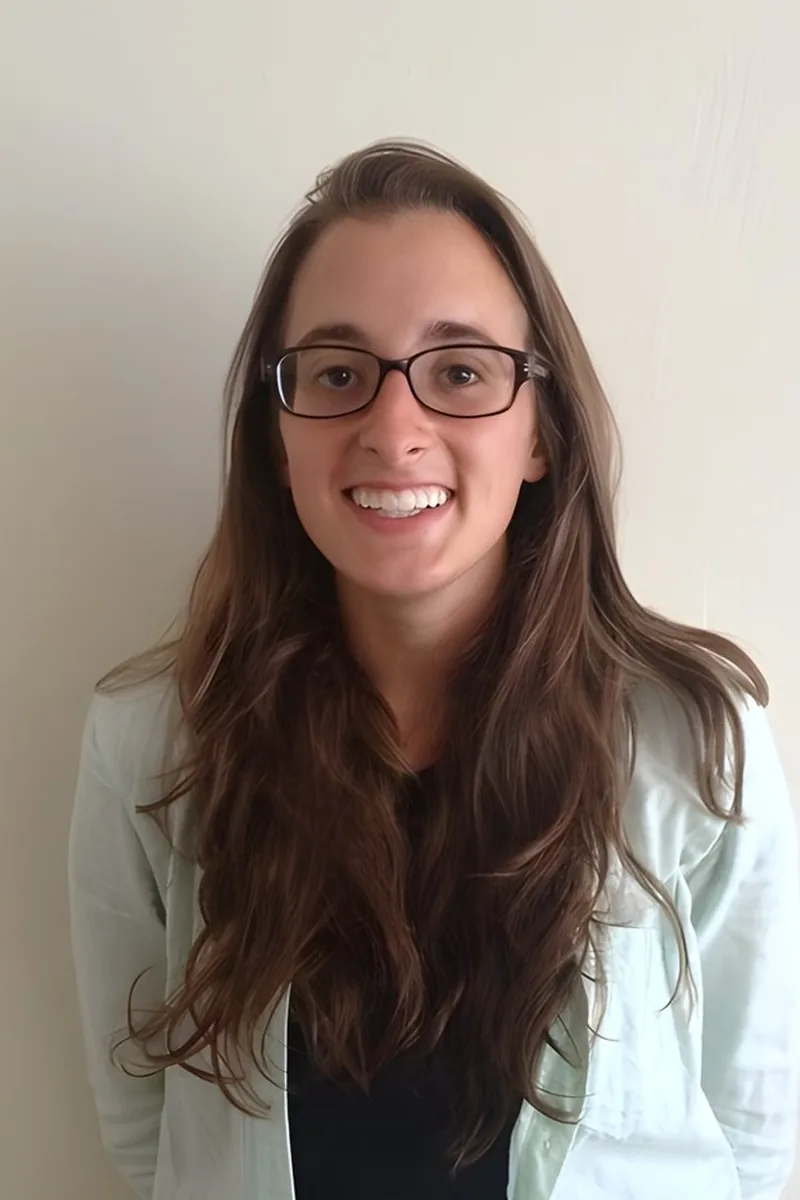
Studying environmental health sciences at Columbia's Mailman School means Laura reads dense, data-heavy research daily — the same skill that powers high scores on the SAT's evidence-based reading passages and data interpretation questions. She scored a 1530 on the SAT herself and uses her dual background in biology and anthropology to teach students how to move efficiently between the verbal and quantitative reasoning the test demands. Rated 5.0 by students.

Self-studying for the SAT forced Chimdi to reverse-engineer the test — figuring out which algebra and data analysis patterns repeat on the Math section and which grammar rules the Writing questions actually reward — and that DIY approach is exactly what he teaches. His 1580 composite and electrical engineering training at Carnegie Mellon mean the quantitative side comes naturally, but he also builds clear strategies for the evidence-based reading questions that trip up strong math students. Rated 4.8 by students.
Having navigated the SAT herself with a 1500 composite, June knows where the exam tries to trip students up — especially the algebra-heavy math questions that rely on careful word-problem translation and the grammar traps buried in the Writing section. Her psychology training at Boston University also gives her a practical toolkit for managing test-day nerves and building the kind of focused study habits that actually move scores.
Scoring a 1530 on the SAT takes more than content knowledge — it takes a strategy for pacing, elimination, and knowing when to move on. Nathaniel breaks the exam into those mechanical skills alongside the reading and math fundamentals, so students build both the technique and the confidence to perform on test day. His background in linguistics also gives him a sharp eye for the grammar and evidence-based reading questions that trip up even strong students.
Nicholas scored a 1420 on the SAT and brings an analytical, CS-trained mindset to breaking down both the Math and Evidence-Based Reading sections — particularly data interpretation questions where students need to pull conclusions from graphs and paired passages quickly. He teaches concrete strategies for time management and process-of-elimination that turn guessing into systematic decision-making. Rated 5.0 by students.
Harvard's humanities curriculum demands the kind of dense, argument-driven reading that mirrors the toughest SAT passages — and Gabriela, who scored a 1450, brings that daily practice to her test prep sessions. She teaches students to trace an author's reasoning through evidence-based reading questions and to spot the grammar and rhetoric patterns that repeat across the Writing and Language section. Her 5.0 rating speaks to a coaching style rooted in close reading rather than shortcut tricks.
Graduating from the Bronx High School of Science and then studying neuroscience at Mount Holyoke gave Zarrin a unusual combination — the rigorous STEM problem-solving that sharpens SAT Math performance and the liberal arts reading habits that build real skill on evidence-based passage questions. She scored a 1410 on the SAT herself and uses that experience to teach students how to manage pacing across sections, especially when fatigue sets in during the second half of the exam. Rated 4.9 by students.
International economics coursework at Fordham gave Gregory a particular advantage on the SAT Math section's data interpretation and word-problem questions, where translating real-world scenarios into algebraic setups is half the battle. His 1500 SAT score and graduate-level writing at Seton Hall's diplomacy program also mean he can coach the Reading section's argument-structure questions with the same rigor he applies to analyzing policy texts. Rated 4.7 by students.
Nina's biostatistics training at Columbia and Northwestern means the SAT Math section — especially data analysis, scatterplot interpretation, and multi-step algebra — plays directly to her strengths. She scored a 1550 and knows how to teach the quantitative reasoning patterns that separate a good math score from a great one, while her experience with college essays and literature gives her practical tools for the Reading and Writing sections too.
A 1560 SAT scorer with a Master's in Education from Harvard, Mimi brings a structured yet creative approach to test prep — particularly the evidence-based reading passages, where her art history and literary analysis background makes dissecting complex texts second nature. She teaches students to identify argument structure and eliminate trap answers systematically across both the reading and writing sections.
Dennis's finance and statistics coursework at NYU means the SAT Math section plays to his strengths — he teaches students to spot the underlying algebra and data-analysis patterns that repeat across every practice test, turning unfamiliar-looking problems into familiar setups. His 1550 SAT score backs up a prep approach built on efficiency: knowing which questions to attack first, where to double-check, and how to manage the clock so careless errors don't eat into a strong performance.
What separates a 1500+ SAT score from a 1300 often isn't knowledge — it's knowing how the test tries to trick you. Joey scored a 1570 and built his prep approach around identifying those traps, particularly the algebra and data-analysis questions on the Math section where careful reading matters as much as calculation. His theater training at Columbia also sharpened the close-reading and rhetorical analysis skills that pay off on the Evidence-Based Reading and Writing sections.
Years of writing and peer-editing philosophy and religion papers at Pomona gave Miranda a precise feel for argument structure and rhetorical traps — exactly what the SAT's Reading and Writing sections test under time pressure. She pairs that verbal strength with a 1560 SAT score and hands-on experience mentoring high schoolers through standardized test strategy. Rated 5.0 by students.
Phillips Exeter's Harkness method trained Violet to pull apart complex problems collaboratively — a habit she now applies to SAT prep, where she teaches students specific tricks for pacing the math sections and spotting grammar patterns in Writing and Language. Her math degree from Brown and 1550 SAT score mean she's equally comfortable drilling no-calculator algebra strategies and coaching students through evidence-based reading questions. Rated 4.5 by students.
Studying both psychology and linguistics at the University of Chicago gave Sherry an unusual double lens for the SAT — the linguistics side sharpens her teaching of grammar rules, sentence structure, and rhetoric on the Writing & Language section, while the psychology side informs how she coaches students through test-day pacing and anxiety management. She scored a perfect 1600 and uses that familiarity with every section to pinpoint exactly where a student's points are slipping, whether it's evidence-based reading pairs or no-calculator algebra. Rated 5.0 by students.
Most SAT prep treats math and verbal as separate worlds, but Justin's PhD work in computational mathematics at the University of Chicago trained him to read precisely and reason quantitatively in the same breath — exactly what the SAT demands. He scored a 1560 and teaches students to attack the math sections through algebraic fluency rather than calculator dependence, while applying the same structured logic to evidence-based reading questions. Rated 5.0 by students.
Rachel earned a perfect 1600 on the SAT, which means she didn't just master each section — she learned exactly where the test tries to create doubt and how to shut it down. Her unusually broad teaching range across math, science, English, and writing lets her coach the full exam without switching gears, connecting algebra strategies and evidence-based reading techniques into a single coherent approach.
A perfect 1600 SAT scorer, William breaks the exam into repeatable strategies — from dissecting evidence-based reading passages to spotting the grammar patterns that the Writing section recycles test after test. His English degree sharpens the verbal side, but he's equally comfortable walking students through the no-calculator math traps that cost easy points. That combination of deep literacy skills and structured test strategy is why students see real score jumps.
Medical school at Jefferson demands the same skill set the SAT rewards — fast, accurate reading under pressure and clean quantitative reasoning — and Jamie teaches both sides of the exam with that intensity. Having scored a 1550, he knows exactly where the test tries to create confusion, especially in no-calculator algebra and the evidence-based reading pairs where students second-guess correct answers. His go-to move is translating abstract problems into concrete analogies that make the underlying logic obvious.
Katherine's music training — parsing complex scores, tracking multiple voices, recognizing structural patterns — turns out to be surprisingly useful preparation for the SAT, where both the Reading passages and the Math section reward methodical pattern recognition under time pressure. She scored a 1500 and uses that cross-disciplinary lens to teach students how to decode evidence-based reading questions and spot the algebraic setups that repeat across practice tests.
A perfect 1600 SAT scorer, Delon breaks the exam into repeatable strategies — from identifying trap answers in Evidence-Based Reading to recognizing the grammar patterns that the Writing section recycles test after test. His background in both math and English means students get a single tutor who can tackle every section without switching gears. Rated 4.8 by past students.
Public policy coursework at the college level means Dana spent years doing exactly what the SAT rewards — reading dense, argument-driven passages quickly and pulling out the evidence that actually supports a claim. She scored a 1450 on the SAT herself and pairs that firsthand experience with strategies for the Writing and Language section's grammar and rhetoric questions, where her strong background in essay writing and English syntax pays off.
A perfect 1600 on the SAT gives Richard firsthand knowledge of what it takes to navigate every section — from evidence-based reading passages to the no-calculator math grid-ins that trip up even strong students. As a Harvard government major, he brings particularly sharp critical reading and argument-analysis skills to the Reading and Writing sections, where identifying an author's central claim quickly can save crucial minutes. He also spent a year as a math course assistant at Harvard, so the quantitative side is equally covered.
A perfect 1600 on the SAT gives Christopher credibility that's hard to argue with — he knows exactly how the test rewards certain reading strategies, grammar patterns, and math shortcuts. His history degree from Columbia also means he brings serious reading comprehension chops to the Evidence-Based Reading section, where dense passages trip up even strong students. He breaks the exam into repeatable systems so students can replicate his results on test day.
Planning is where Sharan's SAT prep starts — she maps out exactly which question types a student is losing points on, then builds a week-by-week practice schedule targeting those gaps first. Her premed coursework at Cornell keeps her math and data-analysis skills sharp for the quantitative sections, while her 1540 SAT score confirms she knows the test inside and out. Rated 5.0 by students.
Daniel's 1590 SAT sits in the 99th percentile, but what makes him useful as a prep tutor is that he covers both sides of the exam himself — his math degree handles the quantitative sections while his arts background and experience teaching literature, grammar, and essay writing anchors the verbal side. He teaches students to spot the SAT's recurring question structures so that timing pressure shrinks as familiarity grows.
Harvard chemistry coursework and a 1570 SAT score give James credibility across both halves of the exam — he's equally comfortable unpacking no-calculator algebra strategies and teaching students to trace argument structure through dense reading passages. His approach centers on learning the test's patterns: which grammar rules appear most often, which math concepts get recycled in disguise, and how to manage pacing so nothing gets left blank. Rated 4.9 by students.
Vivian scored a 1530 on the SAT while balancing a rigorous arts conservatory schedule at Juilliard, which means she knows how to build an efficient, high-impact study plan for students who don't have unlimited prep time. Her strength is teaching the verbal side — evidence-based reading and grammar questions — using the close-reading instincts she developed through her history degree and extensive essay work. Rated 4.9 by students.
Playwriting trained Jacob to communicate complex ideas with precision and economy — skills that translate surprisingly well to the SAT, where reading passages reward students who can track an author's argument structure and writing questions hinge on grammatical clarity. His 1570 SAT score and dual background in astrophysics and drama mean he's equally comfortable coaching the math section's trickiest algebra problems and teaching students to dissect rhetoric on the verbal side.
What makes the SAT tricky isn't any single hard question — it's switching gears between reading comprehension, grammar rules, and algebra under a tight clock. Daniel's broad teaching background across French, essay editing, and math means he coaches students through that mental shifting rather than drilling one section in isolation. He scored a 1500 on the SAT himself and holds a 5.0 tutoring rating.
Kevin's computer science training at NYU sharpens the kind of logical, systematic thinking that pays off on SAT Math — particularly on multi-step algebra and data analysis problems where setting up the right approach matters more than raw calculation speed. He scored a 1570 on the SAT and uses that experience to teach students how to spot the fastest path through each question type, including the no-calculator problems that punish inefficient methods. Rated 4.8 by students.
What separates a 1400 from a 1550 on the SAT often comes down to recognizing the exam's patterns — the way algebra questions disguise themselves as word problems, or how wrong answers on evidence-based reading pairs are designed to feel almost right. Robert scored a 1550 and has tutored both the math and verbal sides extensively, building section-specific strategies rather than generic test advice. His 4.8 rating across dozens of subjects reflects the range to cover every part of the exam with a single tutor.
Cornell's computer science program demands the same kind of precise, logical thinking that separates a good SAT score from a great one — Eric applies that rigor to every section, from algebraic problem-solving on the Math side to spotting structural patterns in Reading passages. He earned a perfect 1600 on the SAT himself, so he knows exactly where the test rewards careful reasoning over rushed answers. Rated 5.0 by students.
Columbia's pre-med biochemistry track forced Aaron to master the same skills the SAT rewards — fast, accurate reading of dense material and clean quantitative problem-solving under pressure. He scored a 1570 on the SAT and uses that experience to teach specific timing strategies for the math section's multi-step word problems and the evidence-based reading questions where most students burn extra minutes second-guessing. Rated 5.0 by students.
Rachel scored a 1580 on the SAT while majoring in biology, which means she didn't just ace the math — she built the kind of precise, evidence-based reading habits that carry through both verbal sections. Her approach to the exam leans heavily on process of elimination and passage mapping, skills she sharpened dissecting dense scientific literature throughout her pre-med coursework. Rated 5.0 by students.
Linguistics training at the graduate level gives Benjamin an unusual advantage on the SAT's Writing and Language section — he doesn't just know the grammar rules, he can explain *why* English works the way it does, turning tricky syntax and rhetoric questions into predictable patterns. His 1560 SAT score backs up that structural approach across the full exam, including the math and evidence-based reading sections. A semester abroad in Sevilla and a history degree also mean he's comfortable unpacking the dense social science and humanities passages that slow most students down.
Professional bilingual writing for the State Department and two publishing houses gave Margaret firsthand fluency with the precise grammar, passage structure, and evidence-based reasoning the SAT tests across both verbal sections. She pairs that real-world language expertise with a 1590 score and a Sorbonne-trained ear for rhetorical nuance, teaching students to spot the specific grammar rules and trap answer choices that repeat from test to test. Rated 5.0 by students.
Most SAT prep treats math and verbal as two separate worlds, but Sabira's dual degrees in Applied Math and Computer Science at Johns Hopkins trained her to read precisely and reason quantitatively in the same sitting — exactly what the SAT demands. She scored a 1510 and uses that experience to teach students how to spot algebraic shortcuts in the Math section and decode evidence-based reading questions by treating passages like structured arguments. Rated 5.0 by students.
Linguistics training at Penn taught Nicholas to see language as a system of rules — the same mindset that turns the SAT's Writing and Language section from subjective guessing into methodical pattern-matching on grammar, punctuation, and rhetorical effectiveness questions. His 1570 SAT score backs up that approach across both verbal and math sections, and a 5.0 tutoring rating suggests students find it clicks.
Mariya earned a perfect 1600 on the SAT, but what makes that score useful for students is her math degree — she doesn't just know the right answers, she can unpack the algebraic reasoning and data analysis logic behind every question type in the Math section. She also covers the Reading and Writing side, where her background in literature, essay editing, and grammar gives her concrete strategies for evidence-based questions and rhetoric traps.
Testimonials
Because the right SAT tutor makes all the difference.
Average Session Rating – Based on 3.4M Learner Ratings
Practice SAT
Free practice tests, flashcards, and AI tutoring for SAT
Other Bronx Tutors
Related Test Prep Tutors in Bronx
Frequently Asked Questions
Ivy League schools like Harvard, Yale, and Princeton typically see middle 50% SAT ranges of 1500-1580, meaning you'd want a score of 1500+ to be truly competitive. For other selective Northeast schools popular with Bronx students—like NYU (1390-1530) and Boston University (1370-1490)—a score of 1350+ puts you in a strong position. Keep in mind these are middle ranges; scores below this don't disqualify you, but higher scores significantly strengthen your application at these highly competitive institutions.
Most students see meaningful improvements of 100-200 points with focused, personalized prep—though the amount depends on your starting score and how much you engage with the material. Students starting around the national average (1050) often reach 1200-1300 with consistent effort, while those already scoring 1300+ may gain 50-150 points by targeting specific weak areas. The key is identifying which sections hold you back—whether that's reading comprehension speed, grammar rules, or multi-step math problems—and building targeted strategies around those challenges.
Most juniors benefit from starting prep in the fall or winter before their junior year ends, giving 3-4 months to build skills and take the test in spring or summer. If you're a senior, starting immediately allows you to test by fall, which keeps your college application timeline on track. Starting earlier (sophomore year) works well if you want multiple test attempts or prefer a more gradual pace, especially given the competitive college landscape in the Northeast where many peers are preparing intensively.
The SAT remains more popular in New York and the Northeast generally, and most colleges in your region—including NYU, Columbia, and Boston University—see stronger SAT submission rates from applicants. The SAT emphasizes reading comprehension and data analysis, while the ACT focuses more on straightforward content knowledge; if you're a strong reader who likes working through complex passages, the SAT typically plays to your strengths. Many Bronx students find the SAT aligns better with their school curriculum and the test preferences of their target colleges.
Taking the SAT 2-3 times is standard and expected by colleges—they understand you're refining your performance. Most students see their biggest gains between attempt one and two, then smaller improvements on a third attempt. If you score 1350+ on your first try, one retake to push toward 1400+ might be worth it; if you're below 1200, two retakes give you better odds of reaching your target. Space attempts 2-3 months apart to allow time for focused prep on your weak areas between tests.
The Reading section (65 minutes for 52 questions) is notoriously tight, so many students benefit from reading the questions first, then skimming the passage for relevant details rather than reading every word carefully. Practice using the "question-first" approach consistently so it becomes automatic; this helps you avoid getting lost in dense academic passages. Personalized tutoring can help you identify which passage types slow you down most—whether that's historical documents, scientific studies, or literary fiction—so you can develop targeted strategies for each.
Multi-step math problems require you to break complex questions into smaller parts and avoid careless errors—practice working through problems slowly first, then gradually speed up once you're confident. Focus on the calculator section (55 minutes, 38 questions) since it covers advanced algebra, functions, and data analysis that often trip up students; the no-calculator section (25 minutes, 20 questions) rewards speed and pattern recognition. Working with a tutor on your specific weak areas—whether that's graph interpretation, systems of equations, or function notation—helps you build confidence and accuracy before you race against the clock.
The national average SAT score hovers around 1050, but Bronx students attending competitive public and private schools often score higher, especially those with strong college prep programs. With 509 schools across the Bronx serving over 200,000 students, performance varies widely depending on your school's resources and student population. Connecting with a tutor who understands the specific strengths and challenges of Bronx students—and knows the college expectations for schools in your area—helps you set realistic goals and develop a prep strategy that works for your situation.
Let’s find your perfect tutor
Answer a few quick questions. We’ll recommend the right plan and match you with a top 5% tutor.