Award-Winning ACT Science Tutors
serving Fort Collins, CO
ACT Science
Tutors in Fort Collins
Private 1-on-1 tutoring, weekly live classes for academic support, test prep & enrichment, practice tests and diagnostics, and more to elevate grades and test scores.
Based on 3.4M Learner Ratings
UniversitiesSchools & Universities
DeliveredHours Delivered
ProficiencyGrowth in Proficiency
Who needs tutoring?
No obligation. Takes ~1 minute.
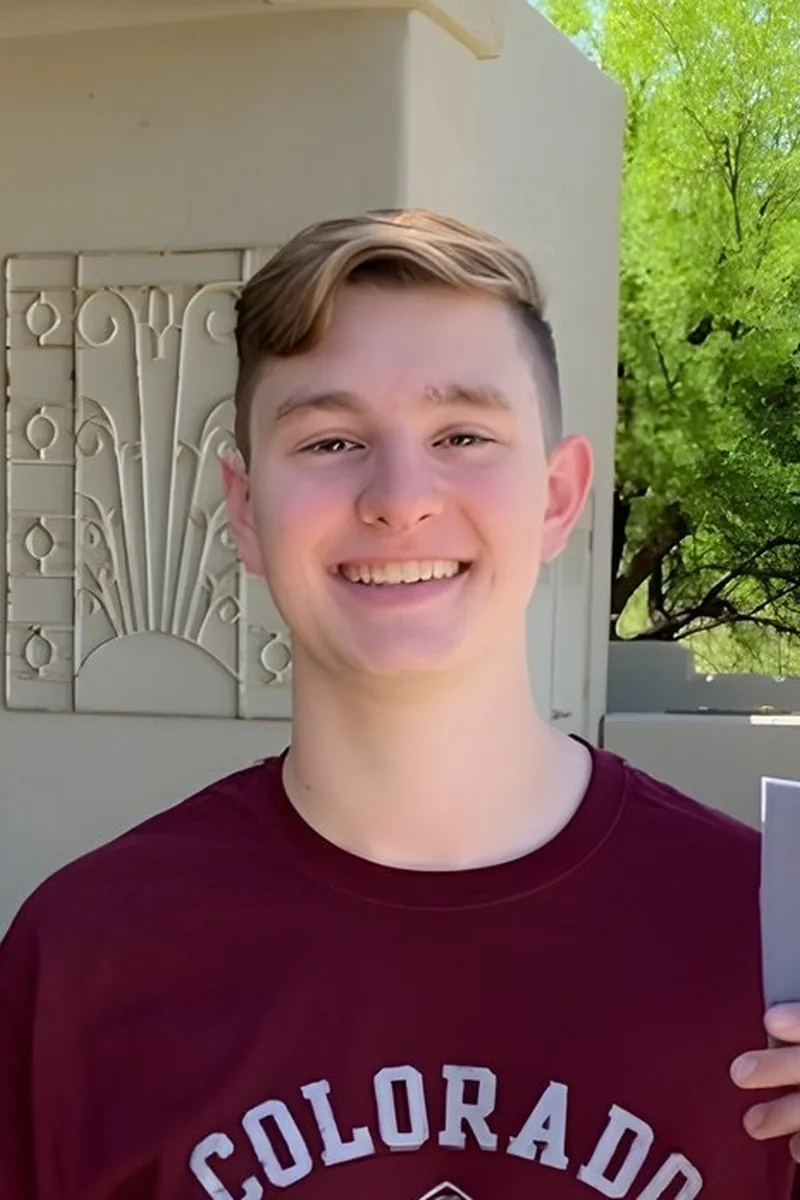
I am a current student at the Colorado School of Mines, studying to double major in Applied Mathematics and Engineering Physics. I have been tutoring students professionally for one year, but also through my schools for 5 years now. I tutor most kinds of Math and Science, and love doing so; being able to help spread understanding of a difficult concept never fails to bring me joy. As a current student, I understand how lecturing is often not the most effective (or interesting) way to learn, so I like to be very interactive and ask a lot of questions in my teaching, almost like a conversation between the student and myself.
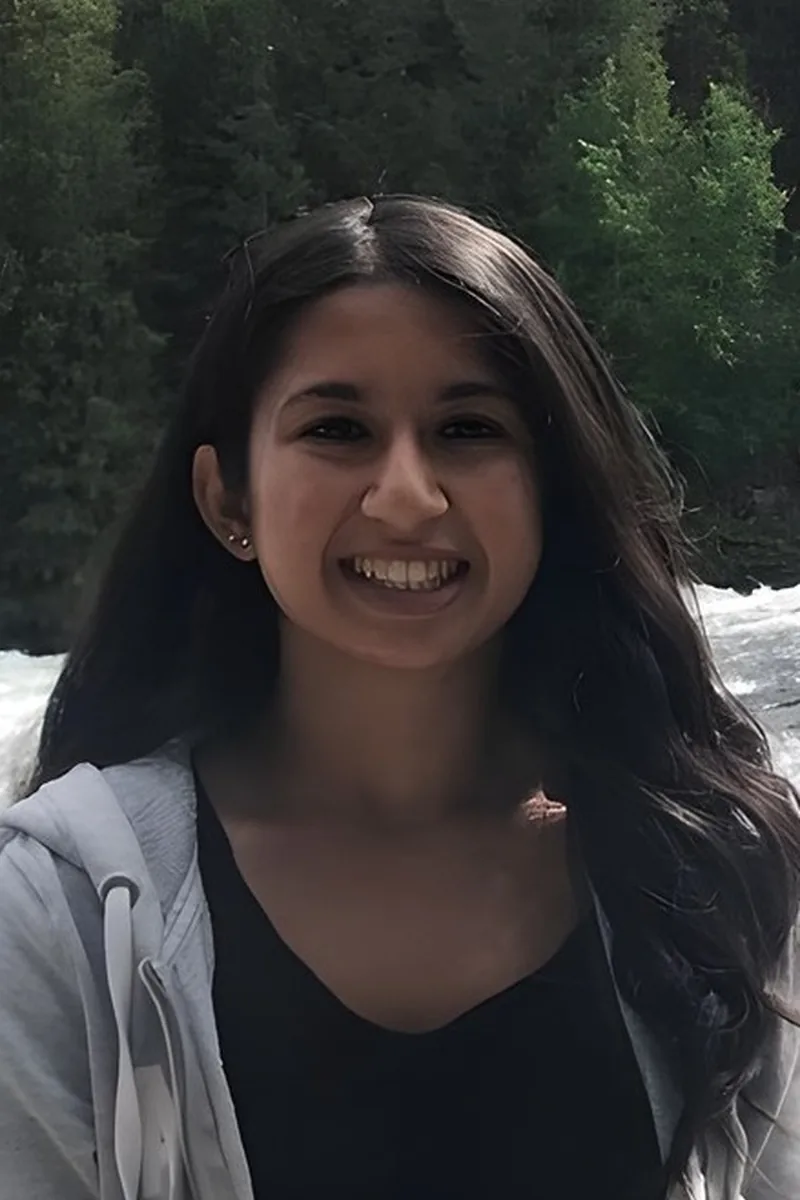
I am a student at the Georgia Institute of Technology studying Chemical Engineering. For the past several years, I have worked with students extensively. Through hosting events for younger kids to learn about STEM and for older teens to practice empathetic design, I know the importance of teaching students in ways that engage them rather than frustrate them, which I apply to my teaching. I have tutored high school students in a drop-in resource center in various subjects including math of all levels, chemistry, and English, making me adequately equipped in a variety of topics. I have also tutored several students long-term. Establishing relationships with students and exploring their unique learning styles is my favorite part of tutoring. I prioritize helping students discover HOW to learn in a manner that is the most effective for them, so they can begin to use those skills on their own throughout their education. Learning is a lifelong skill that requires practice for improvement; I strive to help my students gain confidence in their ability to learn.
I am a neuroscience and psychology double major from CU Boulder working to go to PA school down the road. I am originally from the East coast, but definitely prefer the hiking here. I was a learning assistant (basically student focused teacher aid) at CU, and took a course to learn more effective pedagogy. Afterwards, I was asked to be a mentor, and continued trying to help as much as I can.
Most students panic when they see the ACT Science section, but it's really a data interpretation test disguised as science. Christian's mechanical engineering background means reading graphs, tables, and experimental setups is second nature to him, and he teaches students to ignore jargon and zero in on what the data actually shows. His 34 ACT composite and 5.0 rating speak to how well that approach translates to score gains.
Most of ACT Science isn't really about science knowledge — it's about reading graphs, spotting trends, and comparing experimental setups under time pressure. Oliver's 33 ACT composite and his CU Boulder science training make him unusually well-equipped for the section: he teaches the data-interpretation shortcuts while also explaining the underlying biology and chemistry when a question actually demands content knowledge.
The ACT Science section is less about knowing science and more about reading graphs, interpreting experimental designs, and spotting trends in data quickly. Colton's biomedical engineering training at UVA means he spent years doing exactly that — pulling conclusions from complex datasets and evaluating conflicting results. His 32 ACT composite and deep science background make him especially effective at teaching the passage-analysis strategies this section actually tests.
Most students panic when they see the ACT Science section's dense graphs and conflicting-viewpoints passages, but the trick is realizing it's mostly a data interpretation test. Graham's astrophysics and chemistry coursework at CU Boulder means he reads scientific figures daily, and he teaches students to extract trends and compare experimental setups quickly rather than getting lost in jargon. He holds a 5.0 client rating.
An environmental biology degree turns out to be perfect preparation for the ACT Science section, which is really a test of how quickly you can read graphs, interpret experimental designs, and compare competing hypotheses. Rosemary teaches students to ignore the intimidating scientific jargon and zero in on the data tables and figure labels where the actual answers live. Her 32 ACT composite backs up the approach.
Rohith's astronomy major means he's comfortable with the kind of dense figures and experimental comparisons that make the ACT Science section feel overwhelming to most students — reading spectra, tracking variable relationships across charts, and evaluating competing models was just coursework for him. He brings that fluency to test day by teaching students to identify what each figure's axes actually measure before even glancing at the questions, which eliminates most of the guesswork.
I am a undergraduate student who is willing to help other students in subjects that they may be experiencing difficulties in.
I am a licensed high school history teacher, but have worked with 2-year-olds, college undergraduates, and every age in between. I have previously tutored preschoolers through high schoolers in math and reading, and worked at a university in Santiago with Chilean undergraduates studying both English as a second language and the teaching of English. I am most passionate about teaching in the humanities, but find that working with students on any subject is fulfilling, including standardized test prep. Having lived abroad in Spain and Chile, I also know the importance of connecting classroom learning in Spanish to the actual experience of the language and am always excited to help Spanish come alive beyond conjugation worksheets. Regardless of subject, I strive to ensure that my students build the strategies and confidence they need to be capable, self-directed learners. My own interests include reading, camping and hiking, cooking, and rugby.
Treat the ACT Science section like a data interpretation exercise, not a science test — that's the core of Austin's approach. He walks students through how to read conflicting viewpoints passages and extract trends from graphs without getting lost in unfamiliar terminology about pH levels or geological strata. As a computer science major in the KU Honors Program, he's comfortable with data analysis and teaches students to be the same.
Despite its name, the ACT Science section is really a data interpretation exam — students who try to rely on biology or chemistry knowledge alone often run out of time. John treats each passage as a puzzle: read the axes, find the trend, answer the question. His 36 ACT composite and experience teaching both physics and chemistry mean he can also fill in the occasional outside-knowledge questions that catch other students off guard.
The ACT Science section barely tests science knowledge — it's really about interpreting graphs, comparing experimental setups, and drawing conclusions from conflicting data sets under time pressure. Ilesh treats it as a data-literacy drill, teaching students to extract the key variable from a figure in seconds rather than reading every word of the passage first. His own 36 composite backs up the approach.
The ACT Science section is really a data interpretation exam disguised with lab coats and beakers. Alex approaches it that way — teaching students to read graphs, compare experimental setups, and spot conflicting hypotheses without getting lost in unfamiliar terminology. As a medical student with a chemical engineering background and a 36 ACT composite, he knows exactly when the section requires outside science knowledge and when it doesn't.
Most students panic when they see an unfamiliar experiment on the ACT Science section, but the test is really about interpreting graphs, tables, and conflicting viewpoints under time pressure. Sugi's dual background in biochemistry and cognitive science — plus years of reading dense research literature in medical school — makes her especially effective at teaching students to extract data quickly without getting lost in scientific jargon. Her perfect 36 ACT speaks for itself.
I am happy to accommodate and work with learners on the spectrum.
The ACT Science section is really a data interpretation exam disguised as science — success depends on reading graphs, identifying trends, and evaluating conflicting hypotheses quickly and accurately. Anna scored a 36 ACT composite and, as a current MD/MBA student at Northwestern's Feinberg School of Medicine, brings genuine scientific literacy that makes parsing experimental passages second nature. Rated 5.0 by students.
I am currently a resident physician at Northwestern Hospital.
Treat the ACT Science section like a data-interpretation exercise, not a biology or chemistry quiz — that's the approach Benjamin teaches, and it's how he earned a perfect 36 composite. His computer science training makes him especially sharp at reading graphs, tables, and conflicting experimental designs quickly, and he walks students through the exact process for each passage type.
The ACT Science section isn't really a science test — it's a data interpretation exercise disguised as one. Christopher scored a 35 composite and teaches students to read graphs, compare experimental designs, and identify conflicting viewpoints quickly, drawing on his mechanical engineering background at Harvard to make scientific reasoning feel intuitive.
Most students overthink the ACT Science section because they assume it requires deep content knowledge — it doesn't. It's really a data interpretation exam that tests whether you can read graphs, compare experimental setups, and spot conflicting viewpoints in under a minute per question. Austin breaks each passage type into a specific reading strategy so students stop hunting for science they already know and start extracting the answers the figures already contain.
The ACT Science section is less about knowing biology or chemistry and more about reading graphs, interpreting experimental setups, and comparing competing hypotheses under time pressure. Edward's chemical engineering training at Michigan means data analysis is second nature to him — he teaches students to extract trends from figures before even reading the questions. Rated 4.8 by students, he brings a calm, systematic approach to what many test-takers find the most stressful section.
The ACT Science section barely tests science knowledge — it's really about reading graphs, interpreting conflicting viewpoints, and extracting trends from dense data tables under time pressure. Logan scored a 36 composite and trains students to ignore the intimidating terminology and zero in on what each figure actually shows. Once students see it as a data-literacy exercise, scores jump quickly.
The ACT Science section is less about knowing chemistry or biology and more about interpreting graphs, tables, and conflicting experimental viewpoints under time pressure. Sarah scored a 35 ACT composite and treats this section as a data-literacy exercise, teaching students to identify variables and trends quickly without getting distracted by unfamiliar scientific jargon. Her 5.0 rating speaks to how well that approach lands.
The ACT Science section looks intimidating, but it's really a test of how quickly students can pull data from graphs, tables, and conflicting viewpoints — not how much biology or chemistry they remember. Jiatian, who has spent years interpreting research data in medical school, teaches students to ignore the jargon and zero in on trends, variables, and experimental design. That shift in mindset alone often unlocks significant score gains.
The ACT Science section isn't really a science test — it's a test of how quickly you can read graphs, interpret conflicting viewpoints, and pull the right data from dense passages. Eric scored a 36 ACT composite and teaches students to treat each passage like a business case: identify what's being measured, find the trend, and answer without overthinking. That systematic approach turns a section most students dread into one of their most reliable score boosters.
I am a Yale graduate with over 8 years experience tutoring students from a variety of backgrounds. I recently graduated from the Yale School of Public Health with a MPH concentrating in Epidemiology and Global Health. I also received my B.S. from Yale with a double major in Molecular, Cellular, and Developmental Biology and French. I have experience both leading group classes and working with students one on one. I will respond to a student's strengths, weaknesses, and learning style in order to help them succeed and make the most of our time together. I earned a perfect score of 36 on the ACT, 2280 on the SAT, and qualified as a National Merit Scholar on the PSAT. I look forward to working with you!
I am a current sophomore at Rensselaer Polytechnic Institute, where I am majoring in Biology as part of the 7 Year Accelerated Medical Program. I am also minoring in Healthcare Economics and Policy. My favorite subjects in school are Chemistry, Biology, and Math, but I also enjoy the process of writing and editing thought provoking essays. During high school, I spent time tutoring for the National Honor Society. My approach to tutoring is to teach the concepts in a simplistic manner and reinforcing the concepts while adding difficulty through effective practice problems. In my free time, I have recently found myself reading, working out, drawing, and spending time with my siblings.
Sreya treats the ACT Science section as a data interpretation exercise, not a science quiz — which is exactly what it is. Her chemistry background at the University of Michigan means she's comfortable with the conflicting viewpoints passages that trip up most students, but she emphasizes that graph-reading speed and experimental design logic matter far more than content knowledge. Rated 5.0 by students.
I am a recent graduate of Cornell University, where I received a B.S. in Chemical Engineering and graduated Magna Cum Laude. Over the past several years, I have worked with students from diverse backgrounds and experiences tutoring thermodynamics (my personal favorite), chemistry, and math. I have also tutored in the past for ACT/SAT and other subjects such as history, but I am deeply passionate about science and engineering. I tend to push my students to understand conceptual topics, as opposed to rote or algorithmic learning. In my free time, I love to bake sourdough, learn about history, garden, and recently started biking again.
The ACT Science section barely tests science knowledge — it tests whether you can read a graph under pressure and extract the right data point in seconds. Emily scored a 36 composite and, as a computational biology major at Cornell, spends her coursework interpreting exactly these kinds of data-heavy figures. She walks students through conflicting-viewpoints passages and experimental design questions until the format feels routine.
Alyssa's physical therapy doctorate means she spends her days buried in research studies — parsing experimental designs, reading data figures, and evaluating conflicting results — which is exactly what the ACT Science section demands. She scored a 35 composite herself and teaches students to treat each passage like a lab report: skip the dense background text, go straight to the figures, and answer from the data. Rated 5.0 by students.
I am a recent magna cum laude graduate of Duke University and a full-time educator in North Carolina. I have a passion for helping young people figure things out and have experience writing professionally.
The ACT Science section is really a data interpretation exam disguised in lab coats, and Vivian teaches it that way — breaking down graphs, tables, and conflicting viewpoints without assuming any specialized science knowledge. Her perfect 36 composite came from mastering exactly this kind of strategic reading under time pressure.
I'm a recent college graduate with degrees in Biological Sciences and Russian from Ohio University. During my time there, I tutored students in a variety of subjects, including biology, chemistry, and Spanish. In addition, I worked as both a peer advisor and teaching assistant, which gives me insight into the learning strategies and study skills that students need to succeed. As a tutor, I like to focus on doing actual problems with students because it is the most effective way to immediately identify their strengths and weaknesses and to address them. In my free time, I like to lift weights, read books, and spend time with my friends.
I am a junior at Purdue University studying Aerospace Engineering and am part of the Air Force ROTC program. I have 6 years of tutoring experience at places including Kumon, Mathnasium, and Purdue University. I have worked with kids of all ages from kindergarten to sophomores in college, each with their own set of unique strengths, and tutored a variety of subjects, including calculus, trigonometry, geometry, thermodynamics, chemistry, and physics. Like many of my previous students, I struggled to understand concepts that I was being taught and was a terrible test taker. However, I found ways to overcome my obstacles and develop an better intuition for what I was learning. I believe that it is only this intuition and understanding that helps overcome these obstacles. My least favorite thing to see people be discouraged, so with a little bit of guidance and reassurance, I want to show people that they are capable of anything they put their mind to.
The ACT Science section tests data interpretation far more than scientific knowledge, but students with science backgrounds still have an edge in parsing unfamiliar experiments quickly. Danielle is a first-year med student at Pitt with a biology degree from Tufts, so conflicting-viewpoints passages and complex data tables are second nature to her. She scored a 36 composite and teaches students to read graphs before reading text — a simple shift that consistently saves time.
I'm Lizz, a middle school math teacher working in Chicago Public Schools. I love to see students go from describing themselves as "not a math person" to feeling like they meet exciting challenges in math and other parts of their lives. Even though I love working in the classroom, I feel like tutoring allows me to make more of an impact and connect with students.
The ACT Science section isn't really a science test — it's a data interpretation test disguised as one. Ryne scored a perfect 36 ACT composite and teaches students to read graphs, compare experimental designs, and identify conflicting viewpoints without getting bogged down by unfamiliar terminology. His systematic approach to passage triage and data extraction turns a section many students dread into one of their most reliable scores.
Testimonials
Because the right ACT Science tutor makes all the difference.
Average Session Rating – Based on 3.4M Learner Ratings
Practice ACT Science
Free practice tests, flashcards, and AI tutoring for ACT Science
Nearby ACT Science Tutors
Other Fort Collins Tutors
Related Test Prep Tutors in Fort Collins
Frequently Asked Questions
Varsity Tutors matches Fort Collins students with expert ACT Science tutors for 1-on-1 instruction. We pair each student with a tutor based on their specific needs, learning style, and goals.
Whether you need homework help, exam prep, or want to get ahead, our ACT Science tutors are ready to help.
Common challenges include gaps from earlier material, difficulty with specific concepts, and trouble applying learning to new problems. These issues can snowball quickly in ACT Science.
A tutor identifies where you're stuck, fills in gaps, and provides targeted practice. The 1-on-1 format means you get help exactly where you need it.
Tutors work with your student's actual coursework—homework assignments, class notes, and upcoming tests. This keeps tutoring directly relevant to what's happening in the classroom.
When you share information about your student's school and curriculum, we can match you with a tutor who has relevant experience.
All tutors complete background checks, credential verification, and teaching evaluation. Many of our ACT Science tutors hold advanced degrees or have years of teaching experience.
You can review tutor profiles to find someone with the right background for your student's level and needs.
Many students see improved grades within a few weeks, along with better understanding of ACT Science concepts and more confidence tackling challenging material.
Tutors track progress and adjust their approach to ensure continued improvement.
Most students benefit from 1-2 sessions per week. More frequent sessions help if your student is significantly behind or has an important exam coming up.
Your tutor can recommend a schedule based on your student's specific situation and goals.
Tutoring is purchased in packages of hours, with rates varying by tutor experience. Varsity Tutors offers several options to fit different budgets and needs.
You can discuss pricing during your consultation to find what works best.
Your tutor will assess where your student is, discuss goals, and start working on priority areas. Most students bring current homework or upcoming test material to focus on.
By the end, you'll have a clear sense of how the tutor can help and a plan for moving forward.
Let’s find your perfect tutor
Answer a few quick questions. We’ll recommend the right plan and match you with a top 5% tutor.