Award-Winning Calculus Tutors
serving New Haven, CT
Calculus
Tutors in New Haven
Private 1-on-1 tutoring, weekly live classes for academic support, test prep & enrichment, practice tests and diagnostics, and more to elevate grades and test scores.
Based on 3.4M Learner Ratings
UniversitiesSchools & Universities
DeliveredHours Delivered
ProficiencyGrowth in Proficiency
Who needs tutoring?
No obligation. Takes ~1 minute.
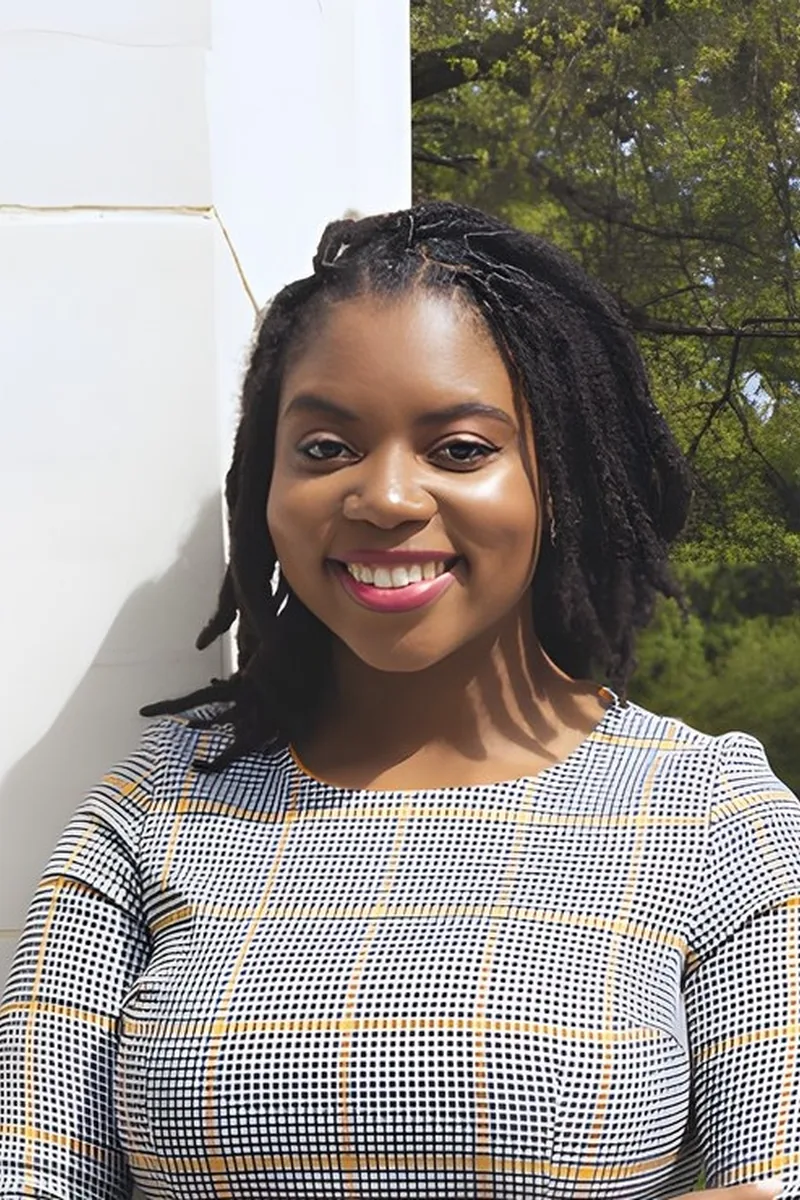
Scoring in the top 1st percentile on the LSAT through self-study required exactly the kind of logical sequencing that calculus demands — building each step from the last, spotting patterns in complex structures, and reasoning through problems methodically. Xaviera applies that same disciplined, analytical approach to early calculus concepts like limits and derivatives, breaking down the notation until the underlying logic is clear. Rated 5.0 by students.
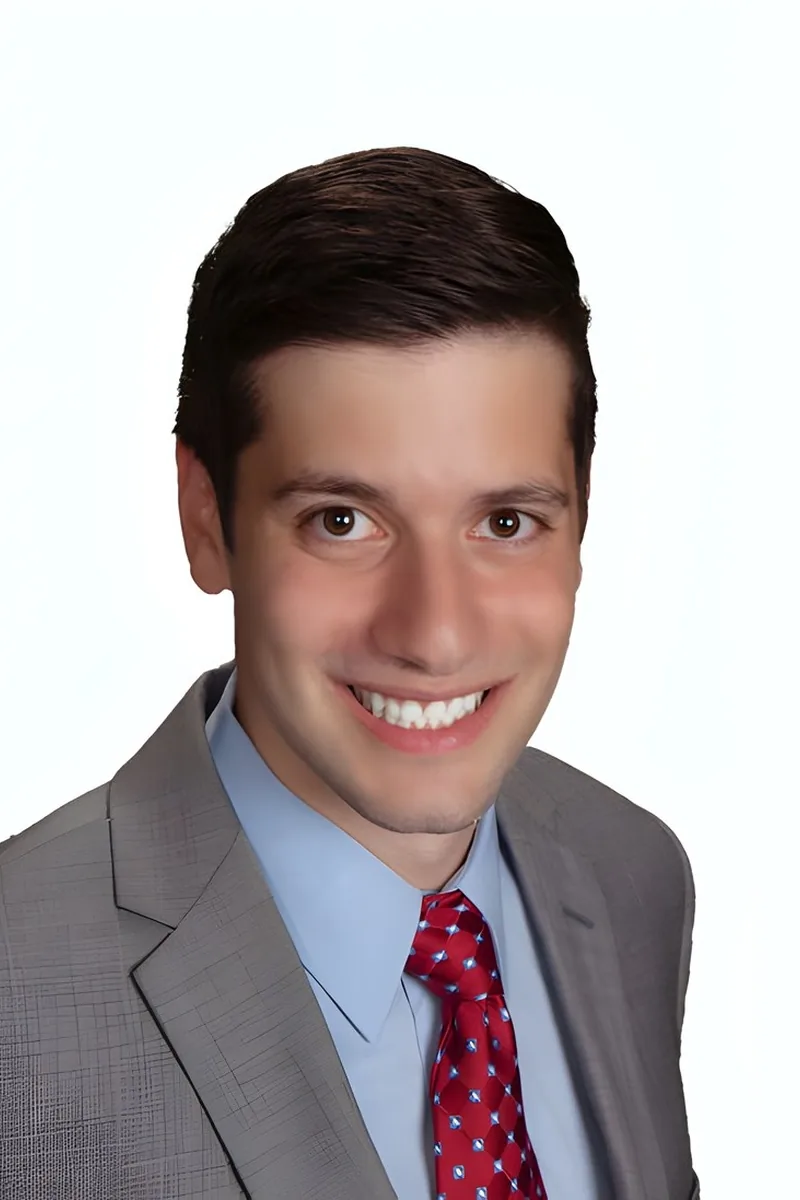
Sami's computer science training at Duke required fluency in calculus — derivatives for optimization algorithms, integrals for modeling continuous systems — so he teaches these concepts with a sense of why they matter beyond the textbook. Whether a student is wrestling with the chain rule or setting up related rates problems, he connects the mechanics to the underlying ideas so the techniques actually stick.
Anthony teaches calculus the way he learned it as a Yale physics and math major — grounded in what derivatives and integrals actually represent, not just the mechanics of computing them. When a student can explain why the chain rule works and not just when to apply it, optimization problems and related rates stop feeling like tricks.
Studying molecular biology at Yale means Maxwell uses calculus constantly — modeling reaction rates, analyzing exponential growth curves, interpreting area under pharmacokinetic graphs. That applied perspective makes him especially effective at teaching derivatives, integrals, and the chain rule in ways that click beyond rote formula memorization.
Pre-med coursework at UCLA put Jon through the calculus sequence in a context where it mattered — reaction rates, dosage modeling, and the quantitative reasoning that underpins public health statistics he now tackles at Yale. That background means he teaches derivatives and integrals as tools with a purpose, connecting each rule to the kind of applied problem where rates of change carry real meaning.
Three degrees in the arts and history mean math isn't where Brittany lives academically, but a 1510 SAT demonstrates she can handle quantitative reasoning with real precision. Her teaching background and emphasis on breaking material into individually tailored steps — rather than one-size-fits-all procedures — translates well to early calculus territory like limits and derivative rules, where understanding the logic behind each step matters more than rote computation.
Studying math alongside humanities at Yale means James lives in both worlds — he can explain the chain rule with the same precision he brings to deciphering medieval manuscripts in his paleography work. That dual fluency makes him especially effective at unpacking the logic behind derivatives and integrals, walking through each step until the reasoning is airtight rather than just mechanical. Rated 5.0 by students.
Studying mathematics at Yale means Tessa lives in the world of calculus daily — from epsilon-delta definitions of limits to integration techniques and series convergence. She explains derivatives and integrals by grounding them in what they actually represent, so the chain rule or u-substitution feels like a natural step rather than an arbitrary procedure. Her 4.9 rating speaks to how well that approach lands with students.
Private calculus tutoring and a computer science major at Yale mean Patrycja works with derivatives and integrals in two registers — the pure math side and the applied side, where optimization algorithms and computational modeling depend on calculus fluency. She's particularly sharp on the chain rule and related rates, breaking multi-step problems into the kind of logical sequences her CS training reinforces daily.
Environmental science coursework at the college level means Ethan has actually used calculus — modeling pollutant dispersion rates, analyzing resource depletion curves, and working through the differential equations behind population dynamics and ecosystem change. A perfect 36 ACT composite backs up that quantitative fluency, and he teaches derivatives and integrals by connecting them to the real-world systems where rates of change aren't abstract but measurable. Rated 5.0 by students.
Tackling limits, derivatives, and integrals requires a student who built strong algebra and pre-calc instincts — and a tutor who can trace each new concept back to those foundations. Stephanie's IB Diploma coursework and Yale neuroscience studies gave her deep exposure to applied calculus, from rate-of-change problems in biology to optimization in quantitative research.
Humanities PhD programs involve more quantitative reasoning than people expect — Niko's Near Eastern Languages research includes working with statistical models for linguistic analysis and pattern-based problem solving that maps surprisingly well onto calculus logic. He's straightforward that math isn't his primary discipline, but his analytical rigor and tutoring range across 29 subjects mean he can break down early concepts like limits and derivative rules with the same methodical clarity he brings to translating ancient texts.
Biology at Yale means Maddie has used calculus as a working tool — modeling population dynamics in ecology, analyzing reaction rates in biochemistry, and interpreting the curves that describe how biological systems change over time. That hands-on context lets her teach derivatives and integrals as things that *do* something, connecting each rule back to a system where the math carries real meaning.
Religious Studies at Yale isn't a math degree, but the program's emphasis on close, structured argumentation translates surprisingly well to unpacking why a limit behaves the way it does or what a derivative is actually measuring. Mia approaches early calculus the same way she approaches a dense theological text — breaking it into smaller claims, checking each one, and building understanding sequentially rather than skipping to the answer.
Limits, derivatives, and integrals each build on the last, so one shaky concept can cascade through an entire semester. Aaron studied mathematics at Yale and scored 5s on both AP Calculus exams, giving him a deep enough understanding to explain not just how techniques work but why — whether that's the chain rule, u-substitution, or the formal definition of a limit. He holds a 5.0 client rating.
Limits, derivatives, and integrals each layer on top of the last, so a shaky understanding of one concept snowballs fast. Max unpacks calculus by tying each technique — chain rule, u-substitution, related rates — back to the underlying idea of how quantities change. As a Yale economics major, he uses calculus daily in optimization and modeling, which keeps his explanations grounded in real applications.
I am a musician, educator, and philosopher based in New Haven, Connecticut. I studied at UCLA graduating Cum Laude with degrees in Music Performance, Education, and Philosophy. I have been tutoring private music lessons and academic subjects for over 5 years now, and I work as a substitute teacher across Connecticut. My favorite subjects to tutor are Music, English, and Reading/Writing Skills, but I am capable of tutoring various Historical subjects, Math, and Science as well.
Having completed his first two years at Yale before transferring to Southern Connecticut State, Louie built strong quantitative chops that show up in his 1540 SAT score — and math is the subject he genuinely enjoys teaching most. He digs into the intuition behind concepts like the relationship between a function and its derivative, walking through what's actually happening graphically before jumping to computation rules. That emphasis on understanding the picture first makes topics like related rates and optimization problems far less intimidating.
Yale's undergraduate curriculum gave Nathan exposure to calculus alongside his music degrees, and music theory itself is deeply mathematical — rhythm subdivisions, harmonic series, and frequency ratios all rely on the same proportional thinking that underpins limits and derivatives. He teaches early calculus by making the abstract concrete, connecting rate-of-change problems to intuitions students already have about how quantities shift and accumulate.
Physiology graduate work is essentially applied calculus — modeling membrane potentials, calculating rates of diffusion, and interpreting how variables like cardiac output change continuously over time. Muhammad brings that clinical math fluency to teaching derivatives and integrals, grounding each concept in the biological systems where he uses them daily. Rated 5.0 by students.
I am a PhD student in Inorganic Chemistry at Yale University. I've been spreading my love of chemistry for the past several years as a TA for general chemistry, and I'm excited to share my passion with you! Prior to Yale, I got my B.S. in chemistry from Caltech, where I also served as a TA for both general chemistry lab and advanced inorganic chemistry. Outside of teaching and research, I enjoy fencing, reading, and playing piano.
Mechanical engineering at Yale means Yossi doesn't just use calculus — he lives in it daily, from analyzing stress-strain curves to modeling fluid dynamics and heat transfer systems. That constant application gives him an intuitive grasp of derivatives and integrals that makes him especially effective at explaining concepts like related rates or integration techniques in ways that feel grounded rather than abstract. Rated 5.0 by students.
Stephen pairs his analytical training from Yale's psychology program with a structured approach to limits, derivatives, and integrals. He breaks down each calculus concept into smaller logical steps, making the leap from algebraic thinking to calculus-level reasoning feel manageable rather than overwhelming.
Mechanical engineering at Yale means Luke lives in calculus daily — from modeling fluid dynamics to analyzing stress distributions, derivatives and integrals are tools he actually uses. He breaks down concepts like the chain rule, related rates, and integration techniques by connecting them to physical problems that make the math feel purposeful.
A biochemistry degree means Joana didn't just take calculus — she applied it, using integrals to model reaction kinetics and derivatives to analyze enzyme behavior in upper-level coursework. That applied perspective makes abstract concepts like the chain rule or related rates feel purposeful, because she can show exactly where they lead.
Studying humanities at Yale doesn't scream calculus, and Sophie is honest that it's not her deepest subject — but her math tutoring experience and the analytical rigor of a Yale courseload mean she can support students tackling early concepts like limits and derivative rules. She breaks down intimidating notation into plain, logical steps, approaching each problem with the same close-reading instinct she brings to her strongest subjects. Rated 5.0 by students.
An MBA at Yale means Christina's daily coursework involves optimization models, marginal analysis, and the derivative-driven reasoning behind strategic decision-making — so she knows exactly where calculus lives in the real world. Her 1550 SAT and 34 ACT confirm serious quantitative chops, and she teaches concepts like the chain rule and integration by connecting them to the business problems where they actually get used, from cost minimization to revenue curves.
Twenty years of teaching law and criminology means Ryan has spent his career breaking down dense, multi-step arguments — a skill that maps directly onto walking through limit definitions and derivative proofs where each logical step depends on the last. His psychology training also gives him a read on where students get stuck conceptually, so he can reframe a chain rule problem or integration setup in language that actually lands. Rated 5.0 by students.
Teaching ancient history to fifth graders means Julia knows how to make abstract ideas concrete and sequential — a skill that transfers directly to walking through limits and early derivatives, where students often struggle not with the math itself but with the logic connecting each step. Her 1510 SAT confirms solid quantitative reasoning, and her background at Smith built the kind of careful analytical thinking that keeps calculus explanations grounded and precise.
An MBA means Patrick has worked through the calculus that underpins finance — optimization problems, marginal analysis, and the derivative logic behind cost and revenue curves. He teaches concepts like the chain rule and integration by connecting them to the business decisions they actually inform, so the math carries meaning beyond the textbook.
Jill's background is in writing and rhetoric, not mathematics, so she's candid that calculus sits at the edge of her tutoring range. That said, her 32 ACT composite shows real quantitative ability, and her communication training gives her a knack for translating dense notation into clear, plain-English explanations — particularly useful when students are wrestling with what a limit or derivative actually represents before the mechanics take over.
Testimonials
Because the right Calculus tutor makes all the difference.
Average Session Rating – Based on 3.4M Learner Ratings
Nearby Calculus Tutors
Other New Haven Tutors
Related Math Tutors in New Haven
Frequently Asked Questions
Many students struggle with the transition from algebra and precalculus to calculus because it requires both procedural fluency and deep conceptual understanding. Common pain points include mastering limits and continuity, understanding derivatives and integrals beyond just memorizing formulas, applying calculus to word problems, and connecting graphical, algebraic, and numerical representations. Personalized tutoring helps students build these connections and see how each concept builds on the previous one.
During an initial session, a tutor will assess your current understanding of precalculus foundations, identify specific areas where you're struggling, and learn about your learning style and goals. This might involve reviewing your recent assignments, tests, or homework to pinpoint exactly where concepts break down. From there, the tutor creates a personalized plan focused on filling gaps and building confidence in the topics you find most challenging.
Calculus requires clear communication of your mathematical thinking, not just getting the right answer. Tutors teach you how to organize multi-step problems, justify each step, and explain your reasoning in a way that demonstrates genuine understanding. This skill is especially important for AP Calculus exams and college-level coursework, where showing work is essential for earning full credit.
Word problems require you to translate real-world situations into mathematical equations, then apply calculus concepts to solve them—a multi-step process that combines reading comprehension, problem setup, and calculation. Many students excel at procedural calculus but struggle to recognize which concepts apply to unfamiliar scenarios. Tutors teach you strategies for breaking down word problems, identifying key information, and selecting the right calculus tools, building the pattern recognition skills that make these problems manageable.
Yes. Calculus courses can vary in pacing, textbook, and emphasis—some focus heavily on proofs and theory, while others emphasize applications and computation. When you connect with a tutor through Varsity Tutors, they review your specific curriculum, textbook, and course materials to ensure instruction aligns with what you're learning in class. This personalized approach means tutoring reinforces exactly what your teacher expects.
Absolutely. Math anxiety is common, especially in advanced courses like Calculus, and personalized tutoring in a low-pressure environment can significantly help. Tutors work at your pace, celebrate small wins, and help you see that calculus concepts are logical and learnable—not mysterious. By breaking complex ideas into manageable pieces and showing you patterns and connections, tutors help you build genuine confidence in your ability to understand and apply calculus.
AP Calculus (AB or BC) requires mastery of both conceptual understanding and test-taking strategy. Tutors help you master the core content—limits, derivatives, integrals, and their applications—while also teaching you how to approach multiple-choice and free-response questions efficiently. They can review past AP exams with you, identify patterns in question types, and help you practice showing your work in the format AP graders expect.
Getting started is simple: tell us about your Calculus course, what topics are most challenging, and your availability. Varsity Tutors will match you with an expert tutor experienced in helping students in New Haven succeed in Calculus. You'll have flexibility to meet in a way that works for your schedule and learning style, and you can start seeing progress quickly with personalized instruction tailored to your needs.
Let’s find your perfect tutor
Answer a few quick questions. We’ll recommend the right plan and match you with a top 5% tutor.