Award-Winning Middle School Science
Tutors
Middle School Science
Tutors
Private 1-on-1 tutoring, weekly live classes for academic support, test prep & enrichment, practice tests and diagnostics, and more to elevate grades and test scores.
Based on 3.4M Learner Ratings
UniversitiesSchools & Universities
DeliveredHours Delivered
ProficiencyGrowth in Proficiency
Who needs tutoring?
No obligation. Takes ~1 minute.
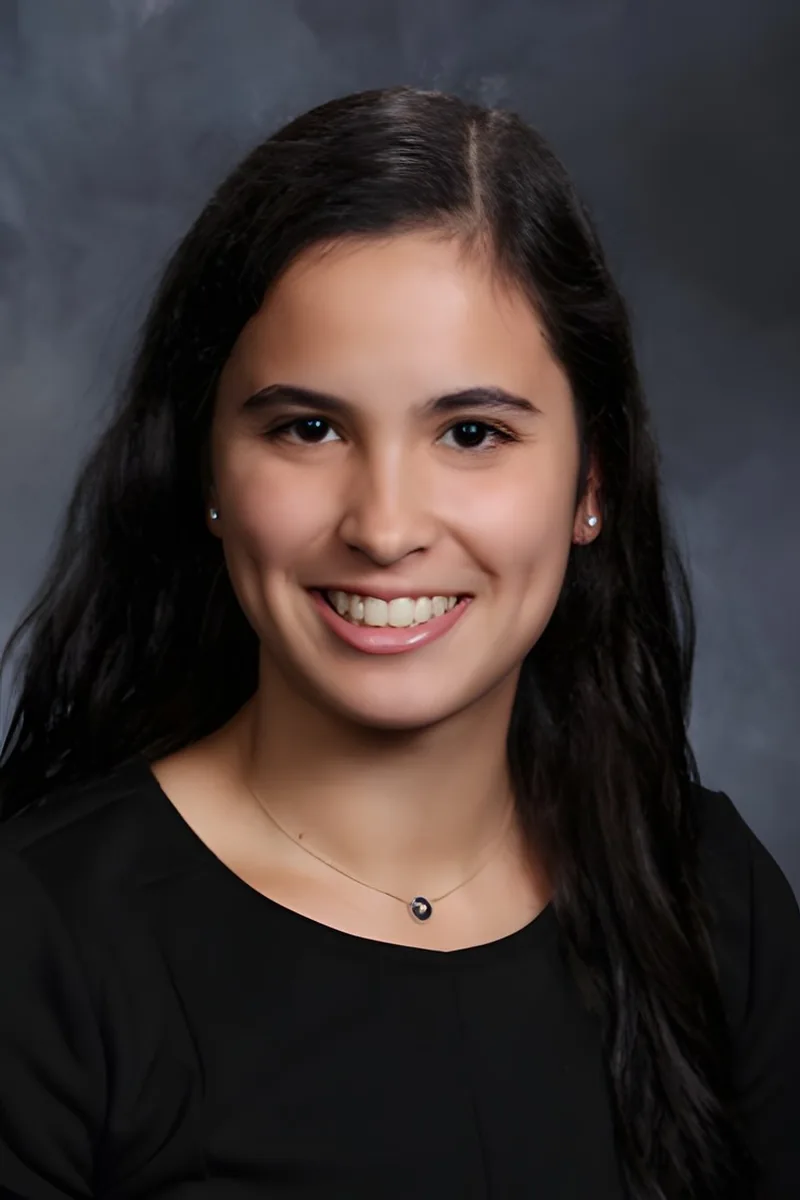
Summer programs for gifted middle schoolers gave Isabella a sharp sense of how to explain scientific concepts — energy transfer, cell structure, the basics of chemical reactions — to students who are curious but still building their vocabulary. She earned a math degree at MIT, which means she's especially strong at the quantitative side of science: unit conversions, data interpretation, and understanding graphs. That combination of scientific literacy and teaching instinct is why she holds a 5.0 rating.

A double major in Molecular, Cellular, and Developmental Biology at Yale means Emily built her science knowledge from the ground up — cell structure, genetics, organism-level systems — which is exactly the content middle schoolers encounter when units shift from vocabulary-heavy to conceptually demanding. She's particularly strong at connecting life science topics to the underlying biology, turning a lesson on ecosystems or human body systems into something students can reason through rather than just label. Holds a 5.0 rating.
Before medical school at Northwestern, Anna studied anthropology — a field built on observing systems, asking why populations behave the way they do, and connecting evidence to explanations, which is exactly the kind of thinking middle school science units on ecosystems, body systems, and experimental design are trying to develop. Her 36 ACT and medical training mean she can take a topic like cellular respiration or heredity and unpack the actual science behind it at whatever depth a student needs. Rated 5.0 by her students.
Two degrees in cellular and molecular biology mean Akarsh can answer the question behind the question — when a sixth grader asks what cells actually do, he can zoom in to the molecular level and then pull back to the body system, making the connection feel natural instead of forced. That depth is especially useful for life science units on cells, genetics, and microorganisms, where surface-level definitions tend to fall apart on tests that ask students to explain or predict.
A dual degree in Cognitive Science and Biochemistry & Cell Biology from Rice — graduated summa cum laude — means Sugi can trace a middle school topic like cell division or the nervous system all the way down to what's actually happening at the molecular level, then translate it back into language a sixth grader can use on a test. She's especially strong at connecting life science and physical science units, showing students how a concept like energy transfer in ecosystems links to the same principles they'll see in chemistry. Rated 5.0 by her students.
Three years running a Cell Biology lab course at Notre Dame taught Connor how to make the leap from textbook diagrams to actual understanding — a skill that translates directly when a sixth grader is staring at a cell organelle chart or trying to make sense of photosynthesis. His dual science degrees and biomedical master's mean he can field the unexpected "but why?" questions that come up in life science, physical science, and earth science units without oversimplifying. Rated 5.0 by his students.
A biology degree from UCLA and current public health studies at Yale mean Joseph has spent years thinking about how living systems work — from cellular processes to how organisms interact with their environments. He brings that depth to middle school topics like ecosystems, body systems, and basic genetics, connecting each concept to real-world health and science questions that make the material feel purposeful rather than like a checklist of vocabulary. Rated 4.9 by his students.
Kristin studied biological sciences at the University of Chicago and is now completing her nursing degree at Penn — a path that keeps her constantly translating complex science into practical, everyday terms. That skill pays off in middle school science, where she unpacks topics like cell structure, ecosystems, and basic chemistry by connecting them to what's actually happening inside the human body. Rated 5.0 by her students.
This is John's home turf — he taught middle school science in Philadelphia and served as the science curriculum chair, meaning he didn't just deliver lessons but built them. Whether a student is wrestling with the scientific method, energy transfer, or cell structure, John knows the exact misconceptions that trip up this age group and how to address them.
I am an entrepreneurial travel-loving media professional living in New Orleans. I have a Master in Business Administration from Tulane University and I love teaching all sorts of subjects, especially math. In terms of hobbies, you can find me long-distance running, studying data science, exploring new restaurants and traveling the world.
Simulating cosmic ray acceleration at Princeton's astrophysics department and building optical filters at Norfolk State's engineering lab gave Dennis a hands-on feel for how physics and chemistry actually behave — which is exactly the intuition middle schoolers need when they're grappling with forces, waves, or chemical changes for the first time. His 36 ACT composite reflects genuine cross-subject fluency, and he uses that range to connect a sixth grader's question about why magnets work to the same electromagnetic principles he studied in his physics coursework.
Years of teaching at state and national parks taught Rachel to explain ecosystems, weather patterns, and earth processes using the landscape right in front of her — a habit she carries into tutoring, where every concept gets tied to something a student can actually observe. Her master's in Environmental Health Sciences from Johns Hopkins gives her real depth in how living systems interact with their physical environment, which is exactly what middle school science units on ecology, water cycles, and human impact are building toward.
Having tutored students as young as third grade throughout high school and now at Stanford, JF knows how to make scientific concepts tangible for younger learners. He unpacks topics like the water cycle, forces, and cell structure using concrete examples and step-by-step reasoning that build genuine curiosity. Rated 5.0 by students.
Teaching 10th grade Biochemistry and 12th grade Chemistry at a Philadelphia magnet school every day means Kathleen has watched hundreds of students make the leap from middle school science into rigorous high school coursework — so she knows exactly which foundational concepts in cells, chemical reactions, and lab reasoning need to be rock-solid before that jump. Her M.S.Ed from Penn and dual certifications in biology and chemistry let her teach across life and physical science units with equal depth. Rated 5.0 by her students.
Paula's psychology background gives her a useful angle on middle school science — she understands how students actually learn and retain information, which she applies when breaking down topics like the scientific method, variables, and drawing conclusions from data. Her 1520 SAT and 32 ACT reflect genuine cross-disciplinary strength, and she channels that into making connections between life science, physical science, and earth science units feel natural rather than compartmentalized.
Annie's cancer immunotherapy research and TA role for introductory biology at Cornell mean she's actively doing science — designing experiments, analyzing data, troubleshooting results — which gives her a practitioner's instinct for explaining how the scientific method actually works to middle schoolers tackling their first real lab reports. Her biomedical engineering background also lets her bridge life science and physical science units naturally, showing students how a concept like cell structure connects to the chemistry and physics underlying it.
Dennis's master's in Chemical and Physical Biology from Vanderbilt means he's worked across biology, chemistry, and physics at a graduate level — the same three disciplines middle school science is introducing for the first time. He breaks down topics like states of matter, cell structure, or basic chemical reactions by connecting them to the real research he's done, turning what often feels like vocabulary memorization into something students can actually reason through. Rated 5.0 by his students.
A mechanical engineering degree from WashU — earned magna cum laude — plus hands-on refinery work at ExxonMobil means Caroline has lived the physics and chemistry that middle schoolers are just encountering in units on forces, energy, and chemical changes. She draws on that real-world engineering experience to show students what these concepts look like outside a textbook, connecting classroom vocabulary to how machines, materials, and processes actually behave. Rated 5.0 by her students.
Whether the topic is cell biology, force and motion, or chemical reactions, middle school science asks students to start thinking like scientists — forming hypotheses and interpreting data. Vansh tackles each unit by tying abstract vocabulary back to observable, everyday examples, giving students a framework they can actually use on labs and exams. Rated 4.8 by students.
Studying molecular biology in college means Annabel is actively learning the deeper science behind what middle schoolers encounter in simplified form — cells, genetics, body systems, chemical processes — so she can unpack those topics with a clarity that comes from genuinely understanding what's underneath the textbook version. Her perfect 1600 SAT speaks to the kind of cross-disciplinary precision that makes a real difference when students need to connect reading, reasoning, and scientific thinking all at once.
Designing weekly lesson plans for students across grade levels at Chautauqua Institution — many of them centered on nature and the outdoors — gave Emma a hands-on feel for how to make scientific concepts tangible. She connects topics like ecosystems, the water cycle, and basic chemistry to real observations students can see and test for themselves.
Getting middle schoolers curious about science matters more than getting them to memorize vocabulary lists. Eileen approaches topics like ecosystems, cell structure, and the human body by tying them to things students already notice — why leaves change color, how muscles get sore, what makes mold grow on bread. Her neuroscience background at Vanderbilt gives her a deep well of real-world examples to draw from.
Li's anatomy and physiology training — plus coursework deep enough to reach doctoral-level medicine — means she can field the kinds of body-system and biology questions that trip up seventh graders and actually explain the mechanics behind them. Her science teaching spans everything from elementary through college-level chemistry and biology, so she knows how to scale an explanation of, say, how the circulatory system works to exactly the level a middle schooler needs.
Between her biology undergrad, reproductive biology lab work, and current health sciences graduate program, Emma has spent years watching how living systems actually function — which gives her a rich bank of real examples to pull from when explaining middle school topics like cells, body systems, or heredity. She's especially good at turning the "why does this happen?" questions into mini-investigations, walking through the logic of how an experiment should be set up or why a hypothesis needs to be testable. Her 32 ACT composite reflects strong cross-subject reasoning that carries well into physical and earth science units too.
Emily's neurobiology degree from Penn means she's studied the science behind how students actually learn and retain information — a background she puts to direct use when teaching middle schoolers topics like cell structure, body systems, and the nervous system. She connects each concept to what's physically happening in a student's own body, which turns abstract diagrams into something concrete and memorable. Rated 5.0 by her students.
Natalie's neurobiology major at Penn means she's studying the actual science behind how bodies sense, signal, and respond — so when a middle schooler encounters units on the nervous system, cells, or body organization, she can unpack the biology with a specificity that makes diagrams come alive. She also brings that same rigor to physical science and earth science topics, teaching students to trace how one process leads to the next rather than treating each chapter as its own isolated vocabulary list.
A premed biosciences major at Rice University, Jessy brings college-level biology knowledge to middle school topics like cells, body systems, and chemical reactions — and she's sharp enough across subjects (34 ACT composite) to handle the physics and earth science units just as comfortably. She's especially good at turning abstract processes like photosynthesis or energy conversion into step-by-step explanations that make the logic visible, not just the vocabulary. Rated 5.0 by her students.
Elizabeth teaches middle school math in Chicago Public Schools, which means she's already fluent in the classroom rhythms, pacing, and vocabulary that middle schoolers encounter — and she applies that same grade-level instinct to science topics like experimental design, data interpretation, and basic physics concepts. Her 34 ACT composite reflects genuine cross-subject strength, and her 5.0 tutoring rating suggests she's just as effective one-on-one as she is in front of a full class.
Four years teaching elementary and middle school in Boston taught Yan which science concepts trip students up most — and it's usually the shift from labeling a diagram to explaining *why* something happens, like why plants need sunlight or how heat moves between objects. Her M.A. in Curriculum and Instruction means she designs lessons around those sticking points, rebuilding explanations until the reasoning clicks rather than just re-reading the textbook paragraph louder.
Middle school is where students form their first real opinions about whether science is "for them," and Jeremy's experience teaching introductory chemistry to complete beginners translates directly to that moment. He explains topics like the periodic table, states of matter, and chemical reactions using hands-on reasoning rather than vocabulary lists, building curiosity alongside comprehension.
Sixth and seventh graders are often encountering the scientific method, ecosystems, and basic cell biology for the first time — and first impressions matter. Clare draws on her biopsychology training to make concepts like food webs, the water cycle, and human body systems click through real-world examples that stick. She holds a 5.0 client rating.
Real lab experience changes how you explain science — Daniel has conducted neuroscience and molecular biology research at two major research centers, so when he teaches middle schoolers about cells, body systems, or the scientific method, he can ground each concept in something tangible. He makes the jump from textbook diagrams to how science actually works in a lab feel natural and exciting.
Pre-dental coursework at Vanderbilt has Sarah knee-deep in biology and chemistry every semester, which means she can take a middle school unit on cells, chemical reactions, or body systems and explain the underlying science with genuine fluency — not just read the textbook back. She's especially good at turning lab-style questions into mini puzzles, showing students how to form a hypothesis and trace what the data actually tells them. Holds a 5.0 rating.
Charts, drawings, and physical models are Samantha's go-to tools — her Cornell chemistry training was heavy on visualizing molecular structures, and she applies that same approach to make middle school topics like states of matter, chemical reactions, and cell biology tangible instead of abstract. She's been tutoring math and science since her own high school days, with a knack for turning the kind of diagram a student would normally skip right over into the thing that actually makes a concept click. Rated 5.0 by her students.
Princeton's molecular biology program throws you into genetics, cell mechanics, and biochemistry at a level that makes explaining photosynthesis or cell division to a seventh grader feel like second nature — and Stephanie's peer tutoring at the university's on-campus center means she's practiced translating that depth into clear, step-by-step explanations. She's especially strong at connecting life science units to what's actually happening at the molecular level, turning abstract diagrams into stories students can reason through. Rated 5.0 by her students.
Cognitive science at Rice gave Adam a cross-disciplinary grounding in how the brain works, how humans perceive the world, and how to think scientifically about behavior — threads that run straight through middle school units on the nervous system, experimental design, and body systems. He leans on that training to teach students how to reason through cause-and-effect relationships in science rather than treating each chapter as its own isolated set of facts. His 34 ACT composite reflects sharp cross-subject thinking he brings to everything from life science to physical science topics.
Corrina's mechanical engineering background means she's spent years solving problems that combine physics, chemistry, and math — the same trio middle school science is introducing when students encounter forces, simple machines, or chemical vs. physical changes. She leans on that engineering instinct to teach students how to trace a process from start to finish, like following energy through a food web or predicting what happens when you change one variable in an experiment, so the reasoning becomes second nature.
Psychology majors spend a surprising amount of time on the scientific method — designing experiments, interpreting data, understanding how biological systems shape behavior — and Heather carries that training into middle school science topics like body systems, experimental design, and drawing conclusions from evidence. She's especially effective with students who get frustrated easily, having learned through years of one-on-one tutoring how to slow down and rebuild an explanation until it actually clicks. Rated 5.0 by her students.
At Archway Classical Academy, where Hasan works as a lead after-school teacher, he regularly fields the kinds of science questions that stump middle schoolers — why does a hypothesis need to be testable, what actually happens during a phase change, how do you read a data table without just guessing. His arts background might seem like an odd fit, but years of teaching kids across subjects have made him sharp at reframing a confusing concept through analogy or visual explanation until it clicks. Rated 5.0 by his students.
Eric's ecology and evolutionary biology degree gives him a naturalist's instinct for the "why" behind middle school science — when a unit covers ecosystems, food webs, or adaptation, he can pull from real fieldwork-level understanding to show how organisms and environments actually shape each other. That background also sharpens how he teaches the scientific method, since ecology research lives and dies by careful observation and experimental design. His 32 ACT composite reflects broad cross-subject strength that extends comfortably into physical and earth science units as well.
Testimonials
Because the right Middle School Science tutor makes all the difference.
Average Session Rating – Based on 3.4M Learner Ratings
Top 20 Science Subjects


Top 20 Subjects
Frequently Asked Questions
Middle school science requires students to shift from memorizing facts to understanding concepts and their real-world applications. Common challenges include visualizing abstract ideas like molecular structures and forces, balancing chemical equations, performing unit conversions, and connecting theoretical knowledge to practical scenarios. Many students also struggle with the scientific method and experimental design—not just following steps, but understanding why each step matters.
Personalized tutoring helps students build conceptual understanding rather than relying on memorization, which makes science both easier to learn and retain.
Science is hands-on, and tutoring prepares students to succeed in the lab. Tutors help students understand experimental design, predict outcomes, analyze data, and draw evidence-based conclusions—skills that go beyond following procedures. They also help students troubleshoot when experiments don't go as planned, which is when real learning happens.
Personalized instruction ensures students develop strong scientific reasoning skills and confidence approaching new lab scenarios, whether in class or in tutoring sessions.
Both matter, but understanding comes first. When students grasp why something happens—like why seasons change or how cells divide—facts stick naturally. Memorization alone creates fragile knowledge that doesn't transfer to new problems or real-world contexts.
The best approach combines conceptual understanding with strategic review. Tutors help students build mental models and connections between ideas, then use spaced repetition and practice testing to lock in knowledge. This approach is far more effective than cramming facts before a test.
Many students struggle with the math embedded in science—balancing equations, unit conversions, and stoichiometry. The issue is often that they're learning math and science concepts separately, without seeing how they connect.
Tutors work across both subjects, showing students how to apply math tools to science problems. They break down multi-step conversions, reinforce dimensional analysis, and help students understand why these skills matter for understanding chemical reactions and measurements. This integrated approach builds confidence and competence.
Great science tutors combine subject expertise with the ability to explain complex ideas clearly. They should help students visualize abstract concepts, ask probing questions that build scientific thinking, and connect content to real-world applications. They also understand middle school curricula and the specific skills students need—from experimental design to data analysis.
Varsity Tutors connects you with expert tutors who excel at teaching science as a way of thinking, not just a list of facts. They adapt their approach to each student's learning style and pace.
Many students see improved understanding and confidence within a few weeks of consistent tutoring, especially when the focus is on building conceptual clarity rather than cramming facts. For more challenging topics—like molecular bonding or ecosystem dynamics—deeper mastery typically develops over 2-3 months with regular sessions.
The timeline depends on your student's starting point, the complexity of the material, and session frequency. Tutors create personalized plans and track progress to ensure steady improvement throughout the year.
In a classroom, teachers must pace lessons for 25+ students with different learning speeds and styles. Personalized tutoring adapts entirely to your student—slowing down on tough concepts, speeding up when they're ready, and using examples that resonate with them.
One-on-one instruction also creates space for hands-on exploration, experiment planning, and deep questioning that builds scientific reasoning. Tutors can address misconceptions immediately, provide targeted feedback, and help students develop both content knowledge and critical thinking skills that serve them in science and beyond.
Let’s find your perfect tutor
Answer a few quick questions. We’ll recommend the right plan and match you with a top 5% tutor.