Award-Winning Calculus Tutors
serving Scottsdale, AZ
Calculus
Tutors in Scottsdale
Private 1-on-1 tutoring, weekly live classes for academic support, test prep & enrichment, practice tests and diagnostics, and more to elevate grades and test scores.
Based on 3.4M Learner Ratings
UniversitiesSchools & Universities
DeliveredHours Delivered
ProficiencyGrowth in Proficiency
Who needs tutoring?
No obligation. Takes ~1 minute.
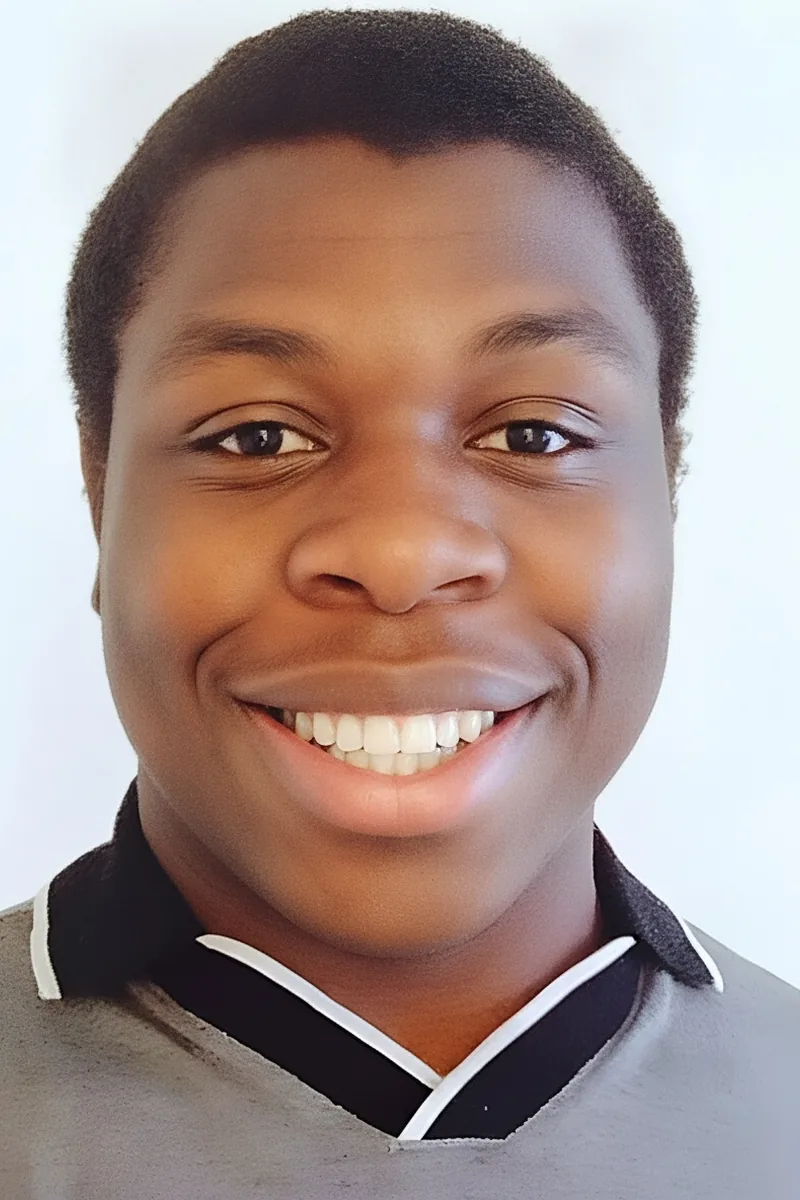
Preparing for medical school meant Niabari couldn't avoid calculus — her health care delivery coursework required understanding rate-based models like disease spread curves and resource utilization trends, where derivatives and integrals carry real meaning. She teaches those early concepts by connecting the math to the systems it actually describes, so formulas feel less abstract and more like tools with a purpose. Rated 5.0 by students.
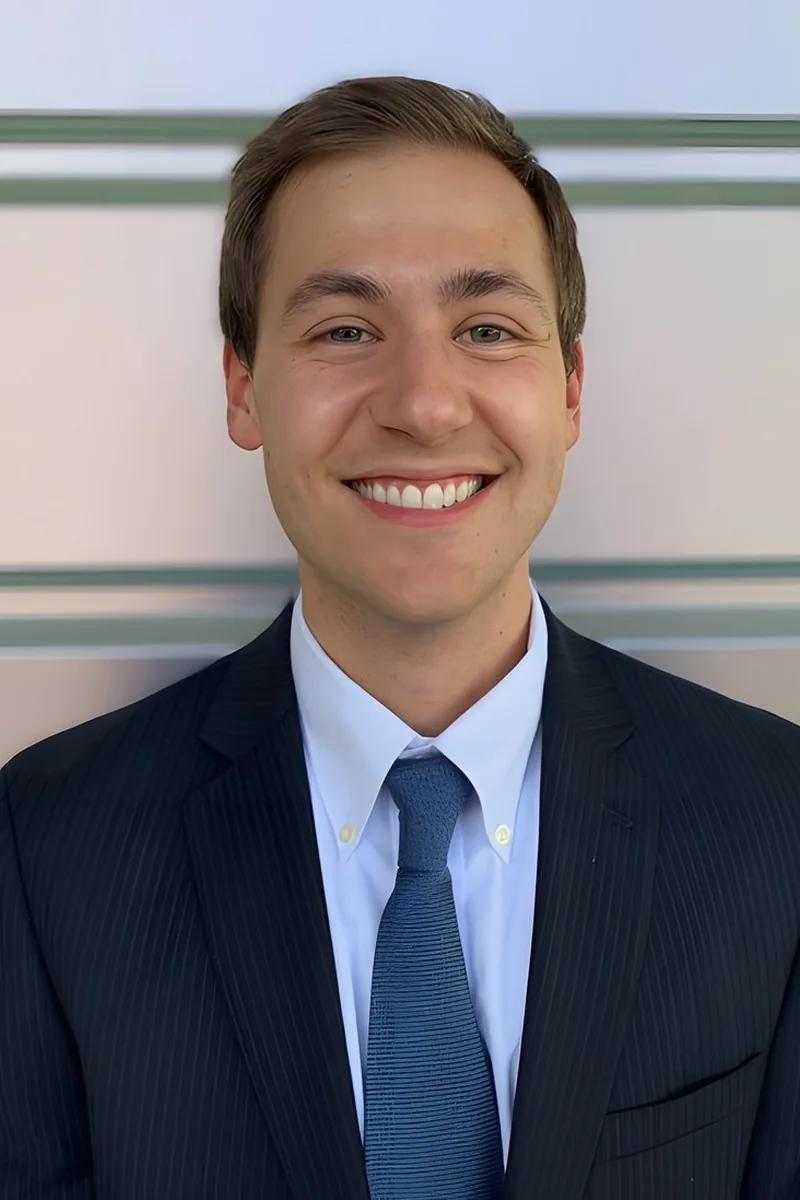
Understanding what a derivative actually measures — not just how to compute one — changes everything about how a student handles applied calculus problems. Jake connects each new concept back to rate-of-change intuition, so when students hit the chain rule or integration by parts, the mechanics have meaning behind them. He's rated 4.9 across his subjects.
Dental school coursework demands fluency in calculus — from modeling drug absorption rates to understanding the curves behind physiological data. Daniel brings that applied perspective to derivatives, integrals, and limit problems, connecting abstract notation to scenarios where the math actually matters.
I am Arizona born and raised, my education includes an NYC law school degree with an undergraduate BS degree from University of Miami. In college I majored in Health Sciences with minors in Psychology and Public Health while in law school I leaned into corporate law and finance. Between law school and college I've pretty much covered every topic under the sun! In my spare time, I enjoy reading (especially mystery novels), pretending I'm a chef, and meditating.
Limits, derivatives, and integrals aren't just coursework for Alex — they're the language of his chemical engineering research, where he applies calculus to model heat transfer, fluid flow, and reaction kinetics every week. He walks through each new rule by tying it to the graphical intuition behind it, so the chain rule or integration by parts feels logical rather than mechanical.
Engineering coursework at ASU meant Brodie didn't just pass calculus — he applied derivatives and integrals daily in biomechanics, fluid dynamics, and signal processing. That real-world fluency shows up when he explains concepts like the chain rule or Riemann sums, because he can point to exactly why each technique matters. He holds a 5.0 rating from students.
Limits, derivatives, and integrals each introduce a new way of thinking, and Sam tackles them by building each concept visually before formalizing the algebra. His physics degree gave him years of practice applying calculus to real motion, forces, and rates of change, so he can show students what a derivative actually represents — not just how to compute one. Rated 5.0 across his tutoring sessions.
Industrial and organizational psychology leans heavily on statistical modeling — regression analysis, optimization curves, and interpreting rates of change in workforce data — which means Luke has applied calculus concepts in practical research contexts even if his degree title doesn't scream math. He teaches early calculus by connecting the abstraction of limits and derivatives to the kind of data-driven reasoning he used throughout his coursework. Rated 4.9 by students.
An economics degree from Northwestern means Andrew spent serious time with calculus — marginal analysis, optimization problems, and the derivative-driven reasoning that underpins microeconomic theory all require genuine fluency with the material. His law training added another layer of structured, logical thinking that he applies to walking through proofs and multi-step problems where each line needs to justify the next. Rated 4.9 by students.
Neuroscience coursework at Trinity meant Lindsey spent semesters applying calculus to real problems — modeling action potential propagation, analyzing rates of neurotransmitter diffusion, and interpreting the curves behind signal processing in the brain. That hands-on experience with derivatives and integrals in biological contexts gives her a way to make abstract calculus rules feel grounded and purposeful. Rated 5.0 by students.
Limits, derivatives, and integrals each demand a different kind of thinking, and Leah's math degree gave her deep fluency with all three. She unpacks techniques like the chain rule or integration by parts by showing the underlying logic, so students can adapt their approach to unfamiliar problems instead of relying on memorized formulas.
Limits and derivatives often feel like a sudden leap from everything students learned before — Hana bridges that gap by grounding each new concept in the algebra and graphing skills students already have. Her teaching background means she's practiced at unpacking abstract ideas step by step rather than rushing to formulas.
Pursuing a pure mathematics degree at Rice, Aaron digs into calculus with the rigor of someone who sees it as more than a toolbox — he understands the proofs and theory behind convergence, continuity, and the fundamental theorem in ways that clarify the mechanics for students. That deeper perspective makes him especially effective at untangling tricky optimization and related-rates problems where intuition alone falls short. Rated 4.9 by students.
Testimonials
Because the right Calculus tutor makes all the difference.
Average Session Rating – Based on 3.4M Learner Ratings
Other Scottsdale Tutors
Related Math Tutors in Scottsdale
Frequently Asked Questions
Varsity Tutors matches Scottsdale students with expert Calculus tutors for 1-on-1 instruction. We pair each student with a tutor based on their specific needs, learning style, and goals.
Whether you need homework help, exam prep, or want to get ahead, our Calculus tutors are ready to help.
Common challenges include gaps from earlier material, difficulty with specific concepts, and trouble applying learning to new problems. These issues can snowball quickly in Calculus.
A tutor identifies where you're stuck, fills in gaps, and provides targeted practice. The 1-on-1 format means you get help exactly where you need it.
Tutors work with your student's actual coursework—homework assignments, class notes, and upcoming tests. This keeps tutoring directly relevant to what's happening in the classroom.
When you share information about your student's school and curriculum, we can match you with a tutor who has relevant experience.
All tutors complete background checks, credential verification, and teaching evaluation. Many of our Calculus tutors hold advanced degrees or have years of teaching experience.
You can review tutor profiles to find someone with the right background for your student's level and needs.
Many students see improved grades within a few weeks, along with better understanding of Calculus concepts and more confidence tackling challenging material.
Tutors track progress and adjust their approach to ensure continued improvement.
Most students benefit from 1-2 sessions per week. More frequent sessions help if your student is significantly behind or has an important exam coming up.
Your tutor can recommend a schedule based on your student's specific situation and goals.
Tutoring is purchased in packages of hours, with rates varying by tutor experience. Varsity Tutors offers several options to fit different budgets and needs.
You can discuss pricing during your consultation to find what works best.
Your tutor will assess where your student is, discuss goals, and start working on priority areas. Most students bring current homework or upcoming test material to focus on.
By the end, you'll have a clear sense of how the tutor can help and a plan for moving forward.
Let’s find your perfect tutor
Answer a few quick questions. We’ll recommend the right plan and match you with a top 5% tutor.