Award-Winning 1st Grade Writing
Tutors
1st Grade Writing
Tutors
Private 1-on-1 tutoring, weekly live classes for academic support, test prep & enrichment, practice tests and diagnostics, and more to elevate grades and test scores.
Based on 3.4M Learner Ratings
UniversitiesSchools & Universities
DeliveredHours Delivered
ProficiencyGrowth in Proficiency
Who needs tutoring?
No obligation. Takes ~1 minute.
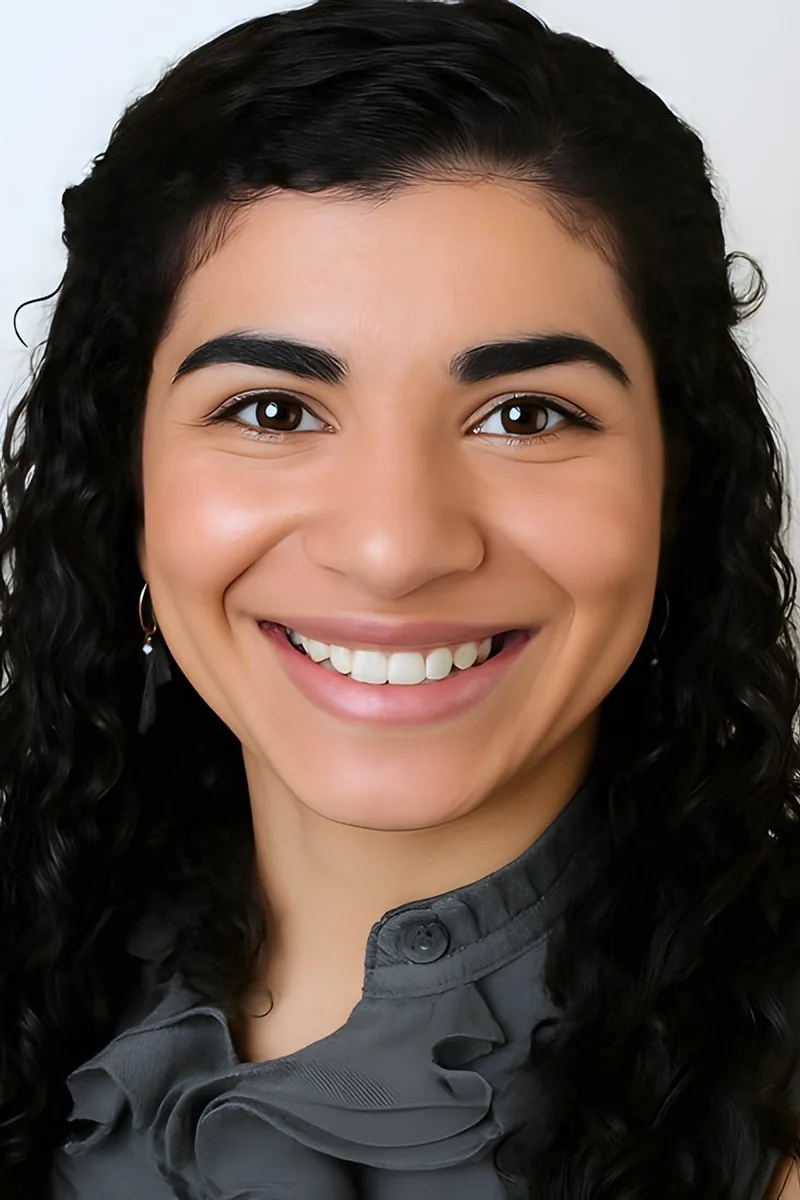
Getting a first grader to put thoughts on paper is less about perfect spelling and more about building the confidence to try — forming simple sentences, sounding out words, and discovering that their ideas matter. Paula's Communication Studies background gives her a knack for breaking language into small, encouraging steps that keep young writers eager to pick up a pencil.

Getting a first grader to put thoughts into written words is a different challenge than teaching older kids to write better ones. Molly has spent years in primary classrooms coaching students through letter formation, spacing, sight-word spelling, and the leap from drawing pictures to composing simple sentences. She breaks the process into small, concrete steps that build real confidence on the page.
First graders are just discovering that their ideas can live on paper — and that discovery should feel exciting, not stressful. Angela turns early writing practice into a creative process, building skills like letter formation, phonetic spelling, and simple sentence structure through storytelling prompts that let kids write about what they actually care about. Rated 5.0 by families she's worked with.
For first graders, writing means connecting spoken ideas to written words — forming letters, spacing between words, and composing simple sentences about a topic. Nima keeps sessions playful and low-pressure, using picture prompts and guided sentence starters so students build confidence one word at a time. His patience and genuine love of storytelling make early writing feel like an adventure rather than a chore.
For first graders, writing means learning that the words in their heads can become words on a page — starting with labeling pictures, then building simple sentences, then stringing a few together to tell a story. Allan approaches early writing with high energy and lots of encouragement, celebrating each sentence a student completes. His visual teaching style keeps young learners engaged through the tricky work of forming letters and sounding out words.
Getting a first grader to write means making the physical and mental act of putting words on paper feel like an adventure, not a chore. Hasan uses picture prompts, storytelling games, and simple sentence frames to build confidence with letter formation, spacing, and basic spelling. As a lead teacher at a classical academy, he does this kind of work every day.
First graders are just discovering that the marks they make on paper can tell stories and share ideas — that's a powerful moment worth getting right. Ruth has worked with children at the elementary level and knows how to build letter formation, spacing, and simple sentence writing into activities that feel like play. She connects reading and writing so young learners start seeing the link between the books they love and the words they create.
For first graders, writing means learning that spoken words can become written ones — sounding out spellings, spacing between words, and finishing a sentence with a period. Dakota brings patience and energy to these foundational skills, using drawing and storytelling to bridge the gap between what a child wants to say and what they can put on paper. It's structured but never rigid.
At the first-grade level, writing is really about connecting spoken ideas to written words — letter formation, spacing, and stringing thoughts into a complete sentence. Jennifer makes this process feel like play, using storytelling techniques from her theatre training to get kids excited about putting their ideas on the page. She reads each child's energy and adjusts her approach, whether they need gentle encouragement or a playful challenge.
Getting a first grader to put thoughts on paper is less about grammar rules and more about making writing feel exciting and doable. Julian uses drawing, storytelling, and simple sentence frames to give kids a starting point, then celebrates every attempt so they build the confidence to keep going. He understands that at this age, the goal is a child who wants to write — the mechanics follow naturally from there.
Learning to write in first grade means connecting sounds to letters and letters to words — then stringing those words into simple sentences that actually say something. Varuna makes this process feel like play, using storytelling prompts and drawing connections to books kids already love.
First graders are still bridging the gap between drawing pictures and writing words, so every session needs to feel encouraging and low-pressure. Valerie uses visual, hands-on techniques to teach letter formation, simple sentence structure, and phonetic spelling — turning abstract rules into something a six-year-old can grab onto. She's patient, structured, and rated 5.0 by the families she works with.
First graders are just discovering that the words in their heads can become words on paper, and that transition requires a tutor who can celebrate small wins like spacing between words or sounding out a tricky spelling. Allen's experience teaching in learning centers and mentorship programs means he knows how to keep young writers engaged without overwhelming them.
Getting a first grader to write means bridging the gap between speaking and putting words on paper — sounding out words, forming simple sentences, and telling a short story with a beginning and an end. Jessalyn's eleven years of teaching and tutoring experience include working with elementary-age students on exactly these foundational skills.
Getting a first grader to write means starting with what they can already do — tell a story out loud. Hanna turns that spoken narrative into written words by teaching letter-sound connections, simple sentence frames, and the idea that writing is just talking on paper. Her background teaching elementary students in Houston gives her the patience and creativity this age group needs.
First graders are just beginning to connect sounds to letters and letters to words on a page, which makes early writing both exciting and tricky. Avni keeps sessions hands-on, using drawing, labeling, and short sentence starters to build the bridge between speaking and writing. Her experience working with her young nephews and nieces gives her a natural ease with this age group.
First-grade writing is all about the basics: forming letters, spacing words, and turning a picture or idea into a simple sentence on the page. Orlando makes this process feel like play, using drawing and storytelling to get kids excited about putting words together. He understands that at this age, confidence matters as much as correctness.
Getting a first grader to write means starting with the basics: forming letters, sounding out words, and turning a spoken idea into a written sentence. Adrianna's experience in self-contained classroom settings means she's comfortable meeting a wide range of readiness levels and turning even reluctant writers into kids who are proud of what they put on paper.
For first graders, writing means learning that the words in their heads can become words on paper — sounding out spellings, forming complete sentences, and drawing pictures to support their ideas. Tara keeps sessions playful and low-pressure, celebrating effort while gently reinforcing letter formation, spacing, and basic punctuation.
Learning to write in 1st grade means mastering the basics: forming letters, spacing words, and turning a thought into a sentence that makes sense on paper. Shin's background in engineering gives him a knack for breaking complex tasks into small, clear steps, which is exactly what early writers need. Rated 5.0 by students and families.
First graders are just discovering that the marks they make on paper can tell a story or share an idea — and that's a powerful moment to nurture. Marvin, who teaches early elementary students daily through Teach For America, uses picture prompts, sentence starters, and phonetic spelling encouragement to get young writers excited about putting their thoughts into words.
I am currently a lead preschool teacher. I received my Bachelor's in Psychology from VCU and am looking to return to school to further my education. While in college, I worked as a Supplemental Instruction leader, teaching general biology and anatomy. I have also worked in an after school program with elementary age children, but I have my fondest memories volunteering as a counselor for Camp Kesem. In my own experience, I loved school and now I love teaching even more at all age levels! I especially enjoy the challenge of getting creative to discover what approach and mediums work best for each student. I am available for in person as well as online tutoring.
Learning to form letters, space words, and put a simple sentence together is a big deal for a first grader — and Mike treats it that way. His psychology background gives him a sharp understanding of how young children develop fine motor and language skills, so he keeps writing practice age-appropriate and encouraging.
Getting a first grader to write a complete sentence — with a capital letter, spaces between words, and a period at the end — is a real milestone. Jessica treats each small win as exactly that, building confidence alongside skills like phonetic spelling and simple storytelling. Her patience and love of books make her a natural fit for kids just discovering that their ideas can live on a page.
At the first-grade level, writing is about connecting spoken language to the page — forming complete sentences, using capital letters and periods, and learning that words on paper can tell a story. Courtney takes a patient, encouraging approach to these foundational skills, turning early writing exercises into moments where kids see their own ideas come to life.
Getting first graders excited about putting words on paper is half the battle — Rima turns early writing into a hands-on, creative process where kids practice forming complete sentences, using capital letters, and sounding out spelling. Her background in both humanities and science means she can pull writing prompts from topics kids naturally love, like animals or weather, keeping them engaged while building real skills.
Learning to write in first grade often comes down to one thing: connecting spoken words to written ones. Syeda walks young learners through forming simple sentences, sounding out words for inventive spelling, and building the hand-eye coordination that makes writing physically easier. Her patient, step-by-step style keeps kids engaged rather than frustrated.
First-grade writing is really about confidence — learning that the words in a child's head can become words on paper, even if the spelling isn't perfect yet. Anthony encourages inventive spelling alongside phonics-based corrections, so young writers stay excited about expressing ideas while steadily building mechanical skills.
Teaching a first grader to write means celebrating every letter they form while building habits that will carry them through school — spacing between words, capitalizing the start of a sentence, putting a period at the end. Alysia's daily small-group work with K-5 students as an Intervention Specialist gives her a toolkit of hands-on, playful strategies that keep young writers engaged.
First-grade writing is less about perfect spelling and more about the thrill of realizing you can put your own ideas into words on a page. Jesse encourages that excitement through simple storytelling exercises — drawing a picture, talking through what happened, then writing a sentence or two about it. His patience and creativity, honed through years of teaching writing at every level, make him a natural fit for young learners just getting started.
For first graders just learning to put letters and words together on a page, the leap to writing full sentences can feel enormous. Colleen has experience working with children as young as preschool age and uses hands-on, encouraging techniques to build comfort with letter formation, sight words, and expressing simple ideas in writing.
Teaching a 1st grader to write means starting with the basics: forming letters, spacing words, and turning a simple idea into a complete sentence. Jared uses a patient, step-by-step approach shaped by over a decade of tutoring experience with elementary-age students. He makes early writing practice feel like a creative exercise rather than a chore.
At the first grade level, writing is really about bridging the gap between what a child can say out loud and what they can get onto paper — forming letters, sounding out words, and building simple sentences. Jennifer draws on her Education & Child Studies coursework at Smith to turn that process into something playful rather than frustrating, whether a student is ahead of the curve or still mastering letter formation.
For a first grader, writing means translating the huge, exciting ideas in their head into letters and words on a page — and that gap can feel frustrating. Myles bridges it by starting with dictation and picture-based prompts, then gradually encouraging kids to sound out and write their own simple sentences with growing independence.
For a first grader, writing might mean labeling a picture, copying a sentence, or sounding out a word letter by letter — and each of those steps is a big deal. Alexander's time teaching young learners in South Korea gave him experience breaking literacy skills into small, celebratable milestones that keep kids motivated. He pairs phonics knowledge with simple sentence frames to get even reluctant writers putting pencil to paper.
Learning to write in first grade means connecting spoken words to letters and sounds on paper, from forming legible letters to sounding out simple sentences. Naomi studied English and philosophy in college, which means she thinks carefully about how language clicks together — a skill she brings down to the foundational level when teaching young writers to express their first ideas in print.
First graders are still bridging the gap between speaking and writing, so Ankit starts with the basics: forming letters, sounding out words to spell them, and stringing words into a simple sentence. His approach is patient and hands-on, using drawing prompts and storytelling to give young writers a reason to put pencil to paper.
First graders are just discovering that the words in their heads can become words on paper, and that's a genuinely exciting moment to be part of. Nikki teaches letter formation, simple sentence construction, and the connection between sounds and spelling in a way that feels playful rather than pressured. Her background with younger students and her own love of art make her especially good at keeping six-year-olds motivated.
Getting a first grader to write means meeting the challenge of letter formation, spacing, and basic sentence structure all at once. Beth approaches it by pairing drawing and storytelling with writing — kids illustrate an idea, then dictate or write a sentence about it, building confidence one word at a time. Her patience and energy make early writing feel like a creative activity rather than a chore.
For a first grader, writing even a complete sentence is a real accomplishment — and it takes the right mix of encouragement and technique. Ashwini breaks the process into small wins: forming letters correctly, sounding out words, and turning a thought into a sentence with a subject and a period. Her behavioral science training at KU means she knows how to reinforce progress in ways that stick.
Testimonials
Because the right 1st Grade Writing tutor makes all the difference.
Average Session Rating – Based on 3.4M Learner Ratings
Top 20 English Subjects


Top 20 Subjects
Frequently Asked Questions
First graders typically face challenges with letter formation, sound-to-letter correspondence, and moving from oral storytelling to written sentences. Many students struggle with phonetic spelling, spacing between words, and staying on the line. They also find it difficult to organize their thoughts into a sequence—understanding that writing has a beginning, middle, and end. Additionally, 1st graders often write in isolated sentences rather than connected ideas, and they may reverse letters or numbers, which is developmentally normal but requires targeted practice to overcome.
A tutor can use scaffolded sentence-building activities that start with simple word patterns (like "I see a ___") and gradually increase complexity. By modeling how to combine words with proper spacing and punctuation, tutors help students understand that sentences express complete thoughts. Personalized instruction allows tutors to meet students where they are—whether they're just beginning to write letters or ready to add descriptive words to their sentences. Regular practice with immediate, encouraging feedback helps 1st graders build confidence and internalize sentence structure naturally.
Phonetic spelling is a crucial developmental stage and should be celebrated, not corrected harshly. When a child writes "kt" for "cat" or "brd" for "bird," they're demonstrating sound awareness and problem-solving. A tutor can gently model correct spelling while validating the student's effort, perhaps by writing the correct version nearby without making the child feel wrong. The focus at this stage should remain on building writing confidence and fluency; formal spelling instruction naturally becomes more rigorous in 2nd and 3rd grade. Tutors balance encouragement with gentle exposure to correct forms to support both writing development and emerging spelling skills.
Fine motor skills—the ability to control small hand and finger movements—directly impact handwriting legibility and writing stamina in 1st grade. Some students struggle with pencil grip, pressure control, or letter formation because their hands simply aren't developmentally ready for sustained writing. A tutor can incorporate pre-writing activities like tracing, connecting dots, and finger exercises that strengthen hand muscles without frustration. They can also suggest adaptive tools like pencil grips or wider-lined paper that make writing more comfortable. Understanding that some writing challenges are rooted in physical development, not ability, helps tutors provide appropriate support and realistic expectations.
Tutors often start by having students tell stories aloud, then help them capture those ideas on paper—sometimes through shared writing where the tutor scribes while the child watches and participates. This bridges the gap between what children can say and what they can write independently. Tutors might use story maps or picture sequences to help students organize their thoughts visually before writing. Over time, students take on more of the writing themselves while the tutor provides encouragement and helps with spelling and sentence formation. This approach honors children's natural storytelling abilities while building written expression skills.
Building confidence requires celebrating effort and progress, not perfection. Tutors focus on what students can do—even if it's just three words on a page—and help them see growth over time. Personalized instruction means tutors can choose topics and formats that excite individual students, whether that's writing about dinosaurs, their pet, or favorite foods. Low-pressure activities like drawing pictures and labeling them, or copying simple sentences, help students feel successful before tackling independent writing. When students experience early wins and receive genuine encouragement for their attempts, they're more willing to take risks and try harder writing tasks.
Writing readiness involves several skills: recognizing and naming letters, understanding that letters make sounds, holding a pencil with reasonable control, and showing interest in making marks on paper. A tutor can assess where your child stands and determine if they need pre-writing skill development (like letter recognition and fine motor practice) or if they're ready to begin forming letters and simple words. Some 1st graders benefit from more time on foundational skills before formal writing instruction, and that's completely normal. A tutor can create a personalized plan that builds the specific skills your child needs to become a confident writer.
Parents can encourage writing in low-pressure, playful ways: labeling household items, writing simple thank-you notes, or creating grocery lists together. Reading aloud daily remains one of the most powerful supports for writing development, as it exposes children to language patterns and story structure. Providing access to paper, crayons, and markers invites natural writing exploration. Most importantly, respond positively to your child's writing attempts without focusing on errors—praise the effort and the message. A tutor can suggest specific activities tailored to your child's interests and skill level, and can guide you on how to provide helpful feedback that encourages rather than discourages writing attempts.
Let’s find your perfect tutor
Answer a few quick questions. We’ll recommend the right plan and match you with a top 5% tutor.