Award-Winning American Literature
Tutors
American Literature
Tutors
Private 1-on-1 tutoring, weekly live classes for academic support, test prep & enrichment, practice tests and diagnostics, and more to elevate grades and test scores.
Based on 3.4M Learner Ratings
UniversitiesSchools & Universities
DeliveredHours Delivered
ProficiencyGrowth in Proficiency
Who needs tutoring?
No obligation. Takes ~1 minute.
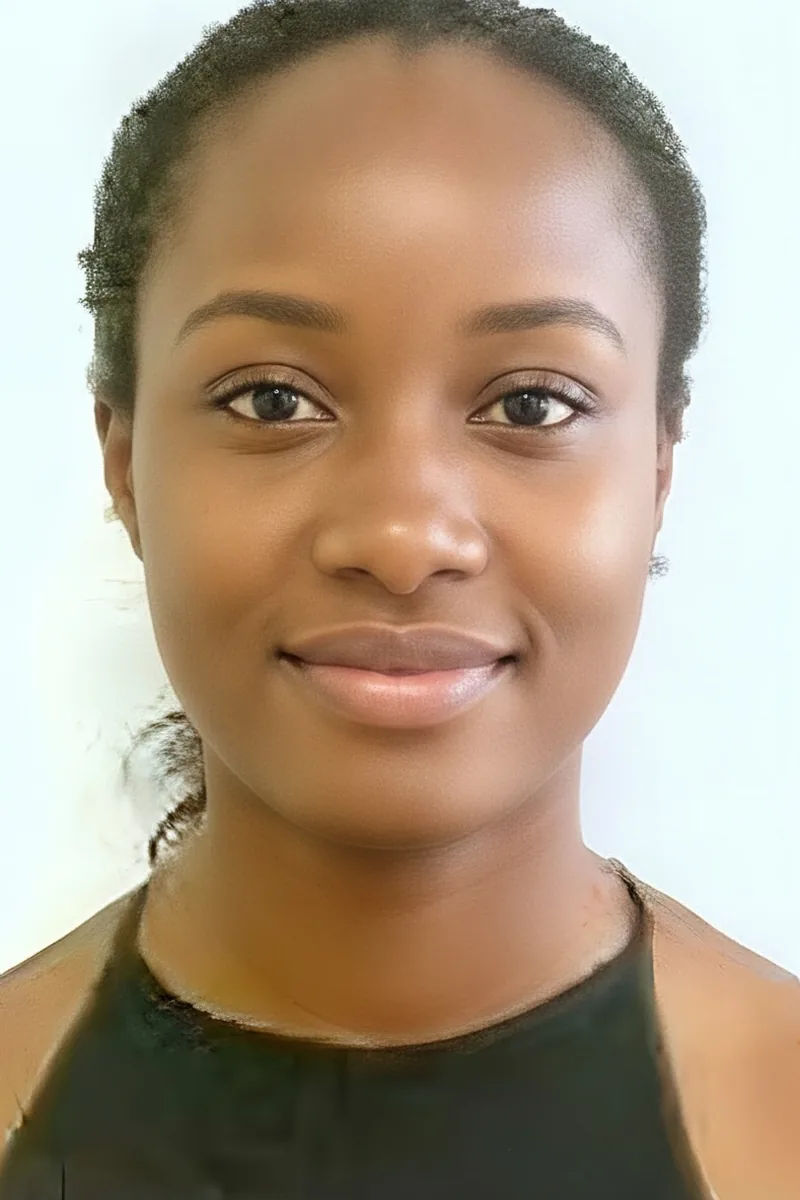
Sociology trains you to see how race, class, and gender shape every institution — which is exactly the lens that cracks open writers like Morrison, Hurston, and Baldwin, whose fiction dramatizes those forces on the level of sentence and scene. Solange's Harvard sociology and women's studies work means she can show students how an author's structural and stylistic choices encode the social arguments a surface reading misses. She's especially sharp at turning that kind of analysis into essays that stay anchored in specific textual evidence.

Justin approaches American literature the way he approaches a proof: by examining the structure underneath. Whether students are analyzing the rhetoric of Frederick Douglass or unpacking symbolism in Toni Morrison, he walks them through how to build a close reading that holds up under scrutiny. His 5.0 rating speaks to how well that analytical lens translates to literary study.
Henry's senior thesis at Harvard on John Dewey's philosophy of education gave him a deep grounding in how American thinkers have wrestled with democracy, individualism, and social reform — themes that run straight through the literary canon from Emerson and Whitman to Baldwin and Ellison. He teaches students to read those intellectual currents in an author's prose choices, connecting a writer's syntax and imagery to the broader arguments shaping American identity. His history background means he's especially sharp at situating texts in the moments that produced them.
Studying both Biomedical Engineering and Asian Languages at Northwestern means Ingrid lives in two intellectual worlds — technical problem-solving and deep cultural analysis — which gives her a distinctive way of unpacking American literary texts where authors like Twain or Hurston embed social critique inside carefully engineered narrative structures. She's especially sharp at teaching students to identify how an author's formal choices (dialect, point of view, chapter structure) function as arguments, then build that analysis into essays that go beyond restating themes.
A PhD in Spanish and Iberian Studies might seem like an unusual path into the American canon, but Renee's deep training in comparative literary analysis sharpens how she reads authors like Morrison, Hemingway, or Cisneros — writers whose work is steeped in questions of language, identity, and cultural collision that cross national borders. She teaches students to unpack how an author's stylistic choices — sentence rhythm, code-switching, narrative silence — carry meaning that a plot summary never captures. Her background as a writing consultant also means she's strong at turning those close-reading insights into polished, thesis-driven essays.
What makes American literature American? That question drives the best courses in this subject, and answering it requires more than plot recall — it takes close reading, historical context, and the ability to argue a position on paper. Brittney unpacks texts from the colonial period through contemporary fiction, drawing on her Princeton Comparative Literature degree to show how American voices both echo and break from global literary traditions.
The American literary tradition is full of writers arguing with each other across centuries — Emerson's optimism answered by Melville's doubt, Fitzgerald's jazz-age surfaces hiding structural critique. Emily unpacks these conversations by teaching students to read intertextually, tracing how themes like identity, freedom, and disillusionment evolve from the Puritans through the postmodernists.
Philosophy, Politics, and Economics at Penn means Kevin spends his days untangling how ideas move through institutions — which is exactly what American literature does on the page, from the political sermons embedded in Douglass's narratives to the economic anxieties running through Fitzgerald and Steinbeck. He teaches students to read these texts as arguments shaped by their historical moment, then build essay claims that connect an author's specific language choices to the larger ideological currents underneath. His 34 ACT reflects the kind of disciplined, evidence-based reading he brings to literary analysis.
The American literary canon spans Puritan sermons to postmodern fragmentation, and the challenge is usually connecting disparate works into a coherent understanding of how American identity evolved on the page. Connor anchors each text in its moment — the transcendentalism behind Thoreau, the disillusionment running through Hemingway — so students see the conversation happening across centuries.
Few tutors can claim American literature as both their undergraduate and doctoral specialty — Tom earned a bachelor's in American History & Literature and then a PhD in American Studies. That depth lets him connect a Puritan sermon to a Toni Morrison novel and show students how themes of identity, democracy, and dissent thread through centuries of American writing. He's rated 4.9 across his students.
Reading American literature well means arguing about it well — defending an interpretation of Beloved's narrative structure or explaining how Whitman reinvented poetic voice. Brian approaches literary analysis the way he approaches any complex problem: identify the key variables, trace the relationships, and build a case. His college essays background keeps the writing side sharp too.
A philosophy degree from Princeton and a history M.A. from Berkeley means Jeff reads American literature at the intersection of ideas and their historical moments — why Emerson's essays emerge from a specific intellectual tradition, or how Melville's novels wrestle with questions philosophers were debating in the same decade. His time teaching undergraduates at Berkeley sharpened his ability to walk students through the move from close reading to constructing a philosophical argument about a text. He's especially strong on authors whose work demands both historical context and careful attention to how ideas operate on the page.
Living and working in New Mexico's conservation landscape gives Rachel a visceral connection to the themes that run through American literature — wilderness, manifest destiny, identity, and belonging. She teaches students to read authors like Thoreau, Cather, and Morrison not just as literary figures but as voices responding to the specific conditions of American life.
Kyle is an English major at Yale who's spent years inside the American canon — and just as long coaching students through the writing it demands, from rhetorical analysis of novels to CommonApp personal essays. He brings a storyteller's instinct to authors like Twain, Fitzgerald, and Morrison, teaching students to notice how narrative voice and structure carry a writer's argument before translating those observations into their own critical prose.
Studying Political Science at Stanford means Margaret spends her time inside the same questions that drive so much American literature — who holds power, whose story gets told, and how rhetoric shapes both. She brings that political lens to authors like Douglass, Hawthorne, and Fitzgerald, teaching students to trace how an author's narrative choices function as arguments about American identity. Rated 4.8 by students.
Naomi approaches American literature through the sociological questions that run through it: Who gets to tell the American story, and whose voices were left out? Her Princeton coursework in sociology gives her a framework for unpacking themes of identity, power, and belonging in works from the Puritan era through contemporary fiction. Students come away writing sharper analytical essays because they have something genuine to argue about.
Reading Fitzgerald or Douglass without understanding the America they were writing about flattens the work into just words on a page. Amanda connects literary analysis to the cultural and psychological forces behind each text, drawing on both her English skills and her psychology training at Carleton College. Students come away able to trace how identity, power, and place shape an author's voice across eras.
Patrick's English Literature degree from the University of Chicago gave him deep fluency in the American literary canon, from the Puritan sermons of Jonathan Edwards through the modernist experiments of Hemingway and Fitzgerald. He's particularly sharp at teaching students how to trace thematic threads — individualism, the American Dream, racial injustice — across different periods and genres. His linguistics background also means he can unpack how an author's sentence-level choices shape meaning.
A Harvard neurobiology degree might seem like an odd path into American literature, but Emma's scientific training sharpens exactly the kind of careful, evidence-based reading the subject demands — picking apart how an author like Whitman or Emerson builds an argument through accumulating detail, or how Chopin's narrative pacing mirrors a character's psychological unraveling. She's especially effective at coaching students who can spot interesting patterns in a text but struggle to translate those observations into structured, thesis-driven essays.
Penn's English curriculum immerses students in the American canon, and Noah came out of it with a sharp eye for how writers like Baldwin or Whitman use form to do political work — a natural extension of his Political Science training. He teaches students to read rhetorical strategy as closely as literary style, connecting an author's sentence-level choices to the broader arguments they're making about American life. Holds a 5.0 rating.
Skyler's graduate work in Russian literature — where novels routinely run 800 pages and narrators are deliberately unreliable — built the kind of close-reading stamina that transfers directly to tackling Melville's digressions or Faulkner's fractured timelines. She teaches students to track how an author's sentence-level choices in diction and syntax accumulate into larger thematic arguments, then shape those observations into essays that do more than summarize. Rated 5.0 by students.
Reading American literature well means learning to hear what a text is doing structurally — why Fitzgerald's narrator is unreliable, how Hurston's use of dialect reshapes the novel form, what makes a Flannery O'Connor ending feel inevitable. Cynthia studied English Literature and Creative Writing as an undergraduate and went on to earn her MFA in Writing at Columbia, so she approaches these works from both a scholar's and a writer's perspective.
A philosophy degree sharpens one very specific skill: reading a text for its underlying argument rather than its surface story — which is exactly what American literature essays demand when students move from Emerson's transcendentalist claims to the moral architecture of a novel like Huckleberry Finn. Eric teaches students to identify the philosophical tensions an author is dramatizing and build interpretive arguments around those stakes. His 1560 SAT score speaks to the reading and analytical chops he brings to dense, layered texts.
Evan's film training at Northwestern taught him to read narrative as a series of deliberate craft decisions — framing, pacing, point of view — which maps directly onto how American authors like Fitzgerald or Morrison construct meaning through structure and voice rather than just plot. His English minor and independent research background mean he can teach students to dissect a passage the way you'd break down a scene: what's the writer choosing to show, what's hidden, and why does that matter for the argument you're building in your essay?
From Hawthorne's symbolism to the jazz-age tension in Fitzgerald, American Literature rewards readers who can connect a text to the cultural moment that produced it. Paula's dual background in Psychology and Communication Studies gives her a sharp lens for unpacking how authors use narrative voice and social context to make arguments about American identity.
The American literary canon is really a series of arguments about who gets to define America. Alyssa digs into those arguments with students, whether they're analyzing the rhetoric in Franklin's autobiography or the fragmented narration in Beloved, teaching them to read not just for plot but for the cultural work a text performs.
An economics major who spends her time building arguments from data, Mackenzie applies that same evidence-first instinct to American literary analysis — teaching students to treat a passage from Fitzgerald or Douglass like a dataset where every word choice and structural decision supports a provable claim. She's particularly sharp at coaching the essay process, showing students how to move from a close-reading observation to a thesis that holds up under scrutiny. Rated 4.8 by students.
Reading American literature well means understanding why Thoreau's sentences sprawl while Hemingway's don't — and what each style reveals about its era. Amy digs into these connections as an English major at Penn, where she's developed a knack for making the Puritan-to-postmodern arc feel like a coherent story rather than a disconnected reading list.
Reading American literature well means understanding the cultural arguments each text is making — why Hawthorne's Puritanism matters, what Fitzgerald is really saying about class, how Hurston reinvented the Southern voice. Michelle's dual background in Africana Studies and American Studies at NYU and Columbia gives her an unusually wide lens on the tradition. She teaches students to build literary analyses that connect historical context to craft.
Studying Political Science at the University of Chicago means Sydney spends her days pulling apart how rhetoric, power, and persuasion operate in public life — instincts she brings directly to reading American authors whose literary projects double as political acts, from Douglass's autobiographies to the protest fiction of Richard Wright. She's especially sharp at teaching students to trace how an author's structural and stylistic choices serve an argument, then build their own essay claims around that evidence. Rated 4.9 by students.
Reading Hawthorne or Hemingway without historical context is like watching a movie with the sound off — you get the plot but miss the meaning. Dalton digs into how movements like Transcendentalism, Naturalism, and the Harlem Renaissance shaped the American literary voice, then teaches students to trace those influences through close textual analysis. His Penn education gave him deep practice connecting literature to the broader cultural conversation.
Reading American literature well means understanding how writers like Melville, Fitzgerald, or Baldwin were responding to the political and cultural pressures of their time. Samuel's interdisciplinary background at the University of Chicago — spanning languages, philosophy, and analytical reasoning — equips him to unpack both the formal craft and the historical context behind major American texts. He digs into close reading and thematic analysis rather than surface-level plot summary.
Studying Science, Technology, and Society at Stanford meant constantly examining how cultural narratives shape — and get shaped by — scientific progress, which turns out to be exactly the lens you need for American authors like Hawthorne, Melville, or DeLillo, whose fiction grapples with technology's role in American identity. Mica's anthropology training adds another layer, teaching students to read literary texts as cultural artifacts and to ground their interpretations in an author's specific use of language and form. Rated 5.0 by students.
Philosophy trains you to find the precise words for slippery ideas — a skill that turns out to be exactly what American literature essays demand, where the difference between a vague thematic claim and a sharp argument often comes down to how carefully a student can articulate what an author's language is actually doing. Galen's philosophy degree means he teaches students to read writers like Emerson, Thoreau, or Baldwin as thinkers building arguments through literary form, not just storytellers to summarize. Rated 5.0 by students.
A PhD in English means Justin has lived inside the American literary tradition at the deepest academic level — from the rhetoric of early republic writers to the formal experiments of twentieth-century novelists. He teaches students to read structurally, asking how a text's organization and style carry its argument before jumping to thematic conclusions, then coaches them through turning those observations into polished critical essays. His approach treats the student as a collaborator in interpretation, not a passive recipient of someone else's reading.
What makes American literature distinct is how tightly it's woven into the country's political identity — from the Puritan sermon to the Harlem Renaissance poem. Dana studied public policy and American institutions, which means she naturally connects literary movements to the democratic ideals, racial struggles, and economic shifts that shaped each era's writers.
Studying Political Science at Penn means Alessia spends her days inside the same questions that drive the American literary tradition — power, identity, who gets to speak and on what terms. She brings that political lens to authors like Ellison, Whitman, and Didion, teaching students to read how literary form itself becomes a way of making an argument about American life. Rated 5.0 by students.
Having taught courses like Contemporary Literature, Experimental Novel, and Literature of the Sea at prep schools and then fiction writing at Washington University, Erinrose knows American literary texts from both the scholar's and the practitioner's side — how Morrison builds a fragmented timeline for emotional effect, or how a Hemingway sentence withholds as much as it delivers. That dual perspective sharpens her approach to craft analysis, teaching students to examine an author's technical choices before writing about them. Rated 5.0 by students.
Tracing themes of identity, freedom, and reinvention across American literary periods takes more than reading the assigned novels — it takes knowing how to connect Whitman's expansiveness to Morrison's interiority, or how Puritan sermons echo in twentieth-century fiction. Annabel teaches students to build those through-lines and write about them with clarity.
Linguistics trains you to dissect how language actually functions — why a writer chooses one syntactic pattern over another, how dialect signals identity, what happens when register shifts mid-sentence — and William brings that precision to reading authors like Hurston, Hemingway, and Morrison, where style is inseparable from meaning. His theater background at Yale adds another layer: he teaches students to hear the performative dimension of prose, catching irony, rhythm, and voice that purely visual readers miss. Rated 5.0 by students.
Testimonials
Because the right American Literature tutor makes all the difference.
Average Session Rating – Based on 3.4M Learner Ratings
Top 20 English Subjects


Top 20 Subjects
Frequently Asked Questions
Students often find it challenging to analyze works across different time periods and movements—from colonial literature through contemporary voices—because each era requires understanding distinct historical contexts and literary conventions. Common trouble spots include interpreting symbolism and allegory in texts like The Great Gatsby or Moby Dick, understanding the cultural significance of African American literature and the Harlem Renaissance, and grasping how American authors respond to major historical events like the Civil War, industrialization, and social movements. Additionally, many students struggle with constructing strong literary arguments that move beyond surface-level plot summary to analyze how form, style, and authorial choices create meaning.
A tutor can guide you in moving beyond obvious observations to craft nuanced arguments about American texts. For example, rather than stating "Gatsby represents the American Dream," a tutor helps you develop a specific claim like "Fitzgerald critiques the American Dream by showing how Gatsby's pursuit of wealth corrupts his moral values." Tutors work with you to identify textual evidence—specific scenes, dialogue, imagery—that supports your argument, and they provide feedback on how clearly your thesis previews the analytical path your essay will take. This personalized approach ensures your thesis reflects genuine literary insight rather than generic interpretations.
Summarizing tells what happens in a story, while close reading examines how and why an author creates meaning through specific word choices, sentence structure, and literary devices. In American Literature, close reading might involve analyzing how Toni Morrison uses repetition and fragmented narrative in Beloved to convey trauma, or how Emily Dickinson's dashes and capitalization create rhythm and emphasis. A tutor helps you develop the skills to move beyond plot details to examine the author's craft—identifying metaphors, tracking imagery across a text, and understanding how style reinforces theme. This deeper analytical skill is essential for strong literary essays and exams.
Historical context is crucial because American literature is deeply shaped by the nation's evolving social, political, and cultural landscape. Understanding that Uncle Tom's Cabin was written to oppose slavery, that The Crucible reflects Cold War anxieties, or that contemporary authors like Colson Whitehead reimagine historical narratives helps you grasp why authors made specific choices and what their work meant to readers of their time. A tutor can help you connect historical events—westward expansion, industrialization, civil rights movements, immigration patterns—to the themes, characters, and conflicts in the texts you're studying. This contextual understanding transforms your reading from surface-level appreciation to meaningful literary analysis.
Rather than generic feedback, a tutor provides specific guidance on strengthening your literary arguments and evidence. They might point out where your analysis drifts into summary, suggest stronger textual quotes that better support your thesis, or help you reorganize paragraphs so your argument builds logically. For instance, a tutor could help you revise a paragraph about symbolism in Their Eyes Were Watching God by identifying which details are most significant and how to weave them into a cohesive analytical point. This targeted feedback, combined with explanations of why certain revisions strengthen your essay, helps you develop stronger writing habits for future assignments.
American Literature includes voices from many communities—Native American authors, Asian American writers, Latinx authors, LGBTQ+ voices, and others—each with distinct perspectives shaped by their experiences. A tutor can help you understand how authors like Sherman Alexie, Maxine Hong Kingston, or Ocean Vuong use literature to explore identity, belonging, and resistance to dominant narratives. They can guide you in recognizing how different authors employ similar themes (family, displacement, resilience) through different cultural lenses, and help you avoid reducing complex works to stereotypes. This nuanced engagement with diverse American literature deepens your understanding of the nation's literary heritage and strengthens your ability to analyze texts with cultural sensitivity.
Most American Literature essays use MLA format, which requires citing the edition you're reading (since different editions have different page numbers). A tutor can show you how to format in-text citations correctly—for example, citing a line from Walden as (Thoreau 45) or a poem by line number like (Whitman, lines 12-14)—and help you create a Works Cited page that matches your specific text editions. Beyond formatting rules, a tutor helps you integrate quotes smoothly into your analysis so citations support rather than interrupt your argument. They also teach you when to use direct quotes versus paraphrasing, ensuring your citations strengthen rather than clutter your essay.
A tutor helps you build the analytical skills needed for timed essays and multiple-choice questions by practicing close reading under pressure and developing quick strategies for identifying themes, tone, and literary devices. They can work with you on texts likely to appear on exams—canonical works like To Kill a Mockingbird, The Great Gatsby, or 1984—helping you develop strong interpretations and supporting evidence you can recall quickly. For standardized tests like the AP Literature exam, a tutor provides targeted practice on how to craft persuasive literary arguments in 40 minutes, how to analyze unfamiliar passages effectively, and how to avoid common pitfalls like over-relying on plot summary. This focused preparation builds both confidence and the specific skills these assessments require.
Let’s find your perfect tutor
Answer a few quick questions. We’ll recommend the right plan and match you with a top 5% tutor.