Award-Winning Dissertation Writing
Tutors
Dissertation Writing
Tutors
Private 1-on-1 tutoring, weekly live classes for academic support, test prep & enrichment, practice tests and diagnostics, and more to elevate grades and test scores.
Based on 3.4M Learner Ratings
UniversitiesSchools & Universities
DeliveredHours Delivered
ProficiencyGrowth in Proficiency
Who needs tutoring?
No obligation. Takes ~1 minute.

Having mentored graduate students at Harvard through the thesis process, Linda knows the particular grind of dissertation writing — the chapter drafts that lose their argument, the literature reviews that sprawl, the committee feedback that contradicts itself. She brings both a philosopher's rigor for constructing sustained arguments and a professional editor's eye for clarity and structure. Her background spans philosophy, religious studies, and English composition, so she's comfortable across disciplines.
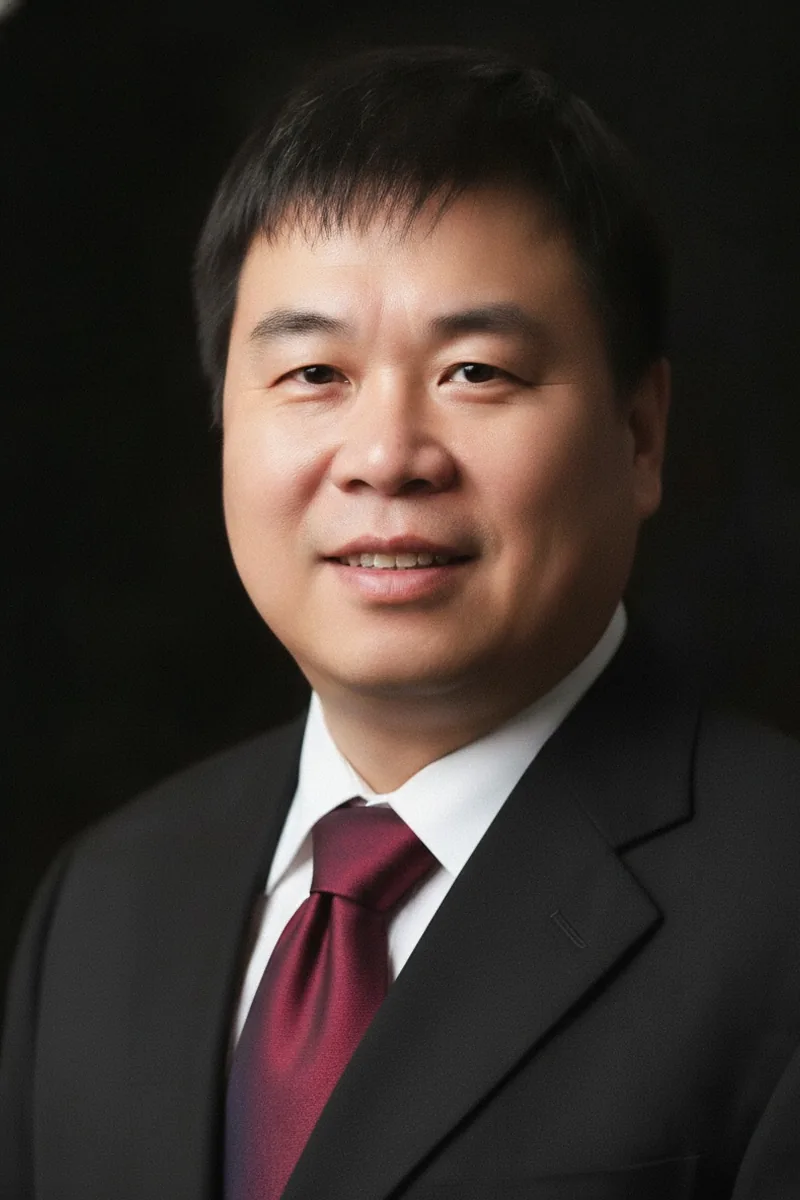
Having completed two doctoral dissertations, Zhengdong knows firsthand how overwhelming the process can feel — from narrowing a research question to structuring a literature review to maintaining momentum through revisions. He tackles each stage practically, whether that means reorganizing a chapter's argument, tightening academic prose, or simply creating a realistic writing schedule that keeps progress moving forward.
Having navigated the full dissertation process herself while earning a Ph.D. in Cellular and Molecular Biology, Rashida knows the specific challenges each chapter presents — from framing a literature review to defending methodology choices to writing a discussion that ties results back to the broader field. She breaks the overwhelming scope of a dissertation into manageable, structured milestones that keep writers productive and on track.
A dissertation lives or dies in its argument structure, and too many doctoral candidates get buried in their research without a clear throughline from problem statement to methodology to findings. Nicole's experience with academic writing at the graduate level — paired with her linguistics training in how language constructs meaning — makes her especially effective at untangling dense chapters and sharpening the prose. She tackles everything from literature review organization to defense preparation.
Lacey's graduate work in Classics required producing the kind of sustained, source-heavy scholarly writing that mirrors dissertation demands — building an argument across chapters while weaving in primary texts, historiography, and theoretical framing. Her additional training in the history and philosophy of science means she's comfortable reading across disciplines, which is rare for a writing tutor. Rated 4.8 by students.
I am passionate about helping students because I've been a student my whole life! Even though I'm a professor now, I love to learn. And now that I have experience, I love to help others along the learning journey. I have degrees in English and education from Rice University, UT Austin, Texas State, and Texas A&M. I also studied abroad in England at the University of East Anglia and have traveled to many countries. I tutor English and Spanish (my family is from Mexico City). My favorite thing to tutor is writing, and I have taught writing from the Kindergarten-graduate school (Ph.D.) level (what I currently do). I am here to share tools and tips to help you succeed in your learning journey.
A dissertation isn't just a long paper — it's a sustained argument that requires managing chapter-level architecture, literature reviews, and a consistent scholarly voice across hundreds of pages. Paul earned his own Ph.D. in English from the University of Chicago and has mentored students through this process as a professor for over twenty years. He tackles everything from prospectus development to the revision strategies that turn a rough chapter into a defensible one.
As a graduate programs administrator, Brandy has seen dozens of dissertations stall at the same predictable stages: the literature review that never ends, the methodology chapter that won't take shape, the revision spiral after committee feedback. She tackles each phase with concrete strategies for organizing arguments, maintaining a consistent scholarly voice, and actually finishing the document.
Few tutors have actually completed a dissertation themselves; Gloria has a PhD in Nutrition Sciences and understands the isolation, scope creep, and structural challenges that stall doctoral candidates. She tackles everything from narrowing a research question and organizing chapter drafts to maintaining a consistent argument across 200-plus pages, giving writers the outside perspective their committee often can't provide.
I am persuasive and capable of developing rapport and trust, as well as experienced in influencing the attitudes and ideas of others.
Having completed a doctorate at Binghamton University, Rukhsar knows firsthand how isolating and structurally complex the dissertation process can be — from defending a prospectus to managing a 200-page argument across multiple chapters. She zeroes in on the areas where doctoral candidates most often stall: narrowing the research question, maintaining a consistent theoretical framework, and translating committee feedback into productive revisions.
Hillel is currently navigating the dissertation-to-publication pipeline himself, working to publish his honors thesis on Antarctic ice sheet dynamics in a scientific journal. That firsthand experience means he knows how to tackle the parts that stall most writers — structuring literature reviews, maintaining argumentative throughlines across chapters, and revising drafts without losing momentum. Rated 5.0 by students.
Having completed a Doctor of Science dissertation in chemical engineering, Vinod knows the unique challenges of long-form academic writing: maintaining a coherent argument across chapters, integrating literature reviews without losing your own voice, and surviving the revision cycle with your committee. He walks doctoral candidates through each stage, from proposal structure to final defense preparation.
Completing an MFA thesis in Photography at the Savannah College of Art and Design gave Emily firsthand experience with the dissertation process — from narrowing a research question to defending a sustained argument across multiple chapters. She tackles the structural challenges that stall most writers, like integrating literature reviews, maintaining a consistent theoretical framework, and revising drafts that feel unwieldy. Rated 5.0 by students.
Tyler's master's thesis in marine fish ecology means he's currently deep in the same process his dissertation students are navigating — building a sustained argument from raw data, structuring chapters around a central research question, and revising under committee scrutiny. His additional background in biostatistics and R programming makes him especially useful for writers in STEM and social science fields who need help integrating quantitative methods into their narrative. Rated 5.0 by students.
A dissertation isn't just long — it demands a fundamentally different kind of writing, from managing a multi-chapter argument to navigating committee feedback without losing your own scholarly voice. Lauren is currently writing her own dissertation in English at UT Austin and brings firsthand knowledge of the process, from prospectus to defense-ready draft. She's especially sharp on structure, revision strategy, and cutting through the paralysis that stalls so many ABD writers.
Having written and defended a PhD dissertation in Cellular and Molecular Biology, Patrick knows firsthand how to structure a multi-chapter argument, manage a literature review, and navigate the revision process with a committee. He breaks the dissertation down into manageable stages — from crafting a defensible thesis statement to integrating figures and data narratives — so the project never feels overwhelming.
A dissertation isn't just long — it's a fundamentally different kind of writing that requires sustaining an original argument across hundreds of pages while managing sources, structure, and committee expectations. Manuel digs into the organizational challenges that stall most candidates: narrowing a thesis, maintaining coherence across chapters, and revising without losing momentum. His arts and political science training grounds him in the humanities research conventions that govern most dissertation committees.
A dissertation lives or dies on its argument's clarity and its prose's precision — problems that a trained journalist knows how to solve. Jennifer's Master of Science in Journalism from Columbia and her experience with long-form academic writing make her especially effective at tightening chapter drafts, strengthening literature reviews, and cutting the bloat that creeps into 200-page documents.
I'm a Computer Science student who's been teaching all my life. From tennis camps for kids to an engineering physics class for college kids, I really enjoy helping someone discover for themselves what they are capable of! Please let me know if there's anything you'd like me to help you with.
Yale's History of Science, Medicine, and Public Health program required Alana to produce the kind of interdisciplinary, archival-heavy scholarly writing that makes dissertation work so demanding — weaving primary sources, scientific literature, and historiographical debates into a sustained argument. Her Fulbright year at Imperial College London added a second layer of graduate-level research writing in a completely different academic tradition, so she reads drafts with an awareness of how argumentation conventions shift across institutions and disciplines.
Testimonials
Because the right Dissertation Writing tutor makes all the difference.
Average Session Rating – Based on 3.4M Learner Ratings
Top 20 English Subjects


Top 20 Subjects
Frequently Asked Questions
Many dissertation writers struggle with maintaining coherence across 50+ pages while developing an original argument that builds logically from introduction through conclusion. Common structural issues include weak thesis positioning, chapters that feel disconnected from the central argument, and difficulty balancing literature review with original analysis. A tutor can help you create a strong outline that ensures each chapter advances your argument and identify where transitions or topic sentences need strengthening to guide readers through your complex ideas.
A strong dissertation thesis requires finding the "sweet spot" between originality and feasibility—it should make a clear, arguable claim that hasn't been fully explored in existing scholarship. Many writers start with a thesis that's either too vague ("This novel is important") or impossibly broad ("How literature reflects society"). Personalized tutoring helps you narrow your focus through targeted questions about your research, identify gaps in current scholarship, and craft a thesis statement that's specific enough to guide your entire project while remaining achievable within your timeline and scope.
This is a critical distinction—many dissertations include relevant examples that don't actively prove the thesis. Strong argumentative writing requires you to explicitly connect each piece of evidence to your central claim and explain *why* it matters. A tutor can review your chapters and help you identify places where evidence needs stronger analytical framing, where you're relying on summary instead of interpretation, or where you need additional sources to close logical gaps. This targeted feedback accelerates your ability to write more persuasively throughout your project.
Revising 50-100+ pages requires a systematic strategy—attempting to edit everything at once typically leads to surface-level changes and missed structural issues. Effective revision usually involves multiple passes: first addressing argument coherence and chapter organization, then strengthening individual sections and transitions, and finally copyediting for clarity and grammar. A tutor can help you develop a personalized revision plan, identify which chapters need the most work, provide feedback on specific sections before you invest time in full rewrites, and teach you how to self-edit more effectively for future writing projects.
Dissertations require meticulous citation consistency (whether MLA, APA, Chicago, or another style) across dozens or hundreds of sources, plus the challenge of integrating quotations and paraphrases in ways that feel natural rather than choppy. Many writers either over-quote (letting sources do the talking) or under-cite (failing to acknowledge ideas). A tutor can review your citation formatting, help you develop a system for tracking sources, teach you strategies for integrating evidence smoothly into your own analysis, and ensure your bibliography is complete and accurate—critical for dissertation-level work.
Dissertation-length projects often trigger writer's block because the scope feels overwhelming and the stakes feel high. Unlike shorter papers, you can't simply "power through"—you need sustainable writing practices. Effective strategies include breaking the project into smaller, concrete writing goals ("complete Chapter 2 analysis" rather than "write dissertation"), setting a consistent writing schedule, and separating drafting from editing. A tutor can help you identify what's actually blocking you (unclear argument, fear of judgment, perfectionism, unclear next steps), create a realistic writing timeline, and provide regular feedback that builds confidence in your work.
Dissertation writing requires balancing formal academic conventions with genuine voice—many writers either adopt an artificial tone that sounds stilted or use language that's too casual for scholarly work. Your voice should demonstrate expertise and confidence in your argument while remaining clear and accessible. A tutor can provide feedback on your tone across chapters, help you identify places where you're hiding behind jargon versus places where precise terminology strengthens your analysis, and teach you revision strategies for making your writing sound more authoritative. This personalized guidance helps you develop a voice that feels authentic to you while meeting dissertation-level expectations.
A common dissertation pitfall is creating a literature review that reads as a series of book summaries rather than a critical analysis of how scholars have approached your topic. Strong analytical writing synthesizes sources, identifies patterns and disagreements in the scholarship, and explicitly positions your own argument in relation to existing work. A tutor can help you move beyond summary by asking critical questions ("What do these sources disagree about?" "What gap does your research fill?"), teaching you how to group sources thematically rather than chronologically, and providing feedback on how effectively you're using the literature review to set up your original contribution.
Let’s find your perfect tutor
Answer a few quick questions. We’ll recommend the right plan and match you with a top 5% tutor.