Award-Winning World Literature
Tutors
World Literature
Tutors
Private 1-on-1 tutoring, weekly live classes for academic support, test prep & enrichment, practice tests and diagnostics, and more to elevate grades and test scores.
Based on 3.4M Learner Ratings
UniversitiesSchools & Universities
DeliveredHours Delivered
ProficiencyGrowth in Proficiency
Who needs tutoring?
No obligation. Takes ~1 minute.
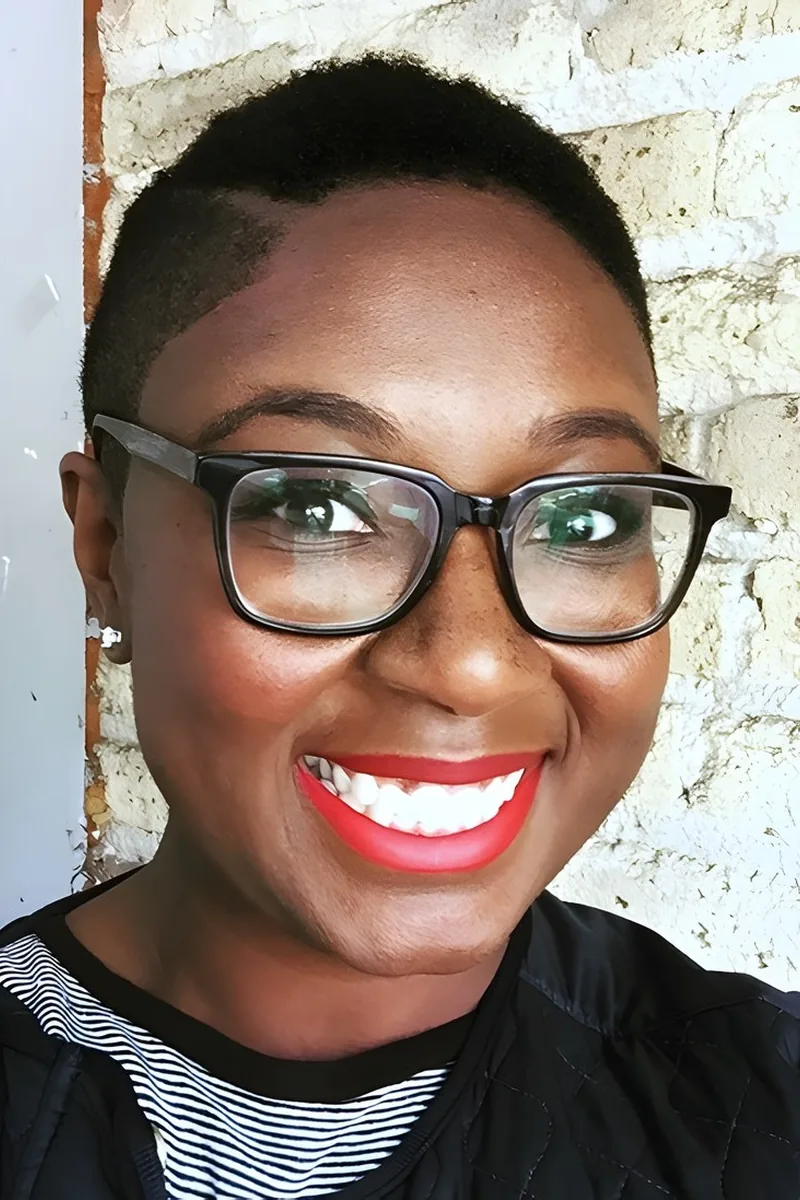
Studying world literature means reading across cultures without flattening them — understanding what makes Borges's labyrinths different from Kafka's, or how Chinua Achebe's narrative structure deliberately challenges European novelistic conventions. Brittney's degree is literally in Comparative Literature from Princeton, which means cross-cultural textual analysis is the core of her training, not an afterthought. She teaches students to read with both specificity and range.

Having studied both English Literature and Linguistics at the University of Chicago, Patrick reads world literature with an ear for how language itself shapes meaning — the rhythmic weight of a translated epic, the syntactic choices a novelist makes to mirror oral tradition, or the way a poet's grammar encodes cultural logic. That linguistic training sets him apart when students encounter texts where style and structure feel alien, because he can explain *how* the language is working, not just what the story is about. His experience teaching ESL and critical reading across vastly different student populations reinforces that instinct for bridging cultural and linguistic gaps on the page.
Tackling World Literature means jumping across centuries and cultures — Greek tragedy one week, postcolonial fiction the next — and students often struggle to find a foothold. Paula approaches each text by anchoring it in the human psychology driving its characters, drawing on her psychology training to make even the most unfamiliar settings feel immediate and worth arguing about.
Tackling world literature means jumping between vastly different storytelling traditions — epic poetry, magical realism, postcolonial novels — often in a single semester. Justin teaches students to identify the formal and cultural conventions shaping each text so they can write comparisons that go deeper than "both authors use symbolism." His doctoral training in English literature gives him the comparative framework to connect Borges to Dante or Achebe to Conrad with real analytical precision.
Comparing texts across cultures and centuries — Dostoevsky alongside Achebe, or Greek tragedy next to modern postcolonial fiction — requires a framework for identifying universal themes without flattening differences. Dylan teaches students to build that comparative lens, showing how historical context shapes narrative choices in each work.
Studying world literature means encountering radically different storytelling traditions — oral epics, postcolonial novels, translated poetry — and learning to analyze them without flattening their cultural context. Sarah's PhD research in West African music at Harvard immerses her in exactly this kind of cross-cultural interpretation, and her English training at Oberlin grounds her in comparative close reading. She connects texts to their traditions so students can engage with unfamiliar works on their own terms.
Brown's Literary Arts program took Hasan from contemporary American fiction to ancient Indian classics, giving him an unusually wide literary range. That breadth is exactly what world literature requires — the ability to contextualize a West African novel alongside a Japanese haiku tradition or a Latin American magical realist text, and to teach students how cultural context shapes meaning.
Reading Achebe alongside Conrad, or Márquez alongside Faulkner, changes how students understand what a novel can do. Peter approaches world literature by teaching students to identify how cultural context shapes narrative structure, symbolism, and voice — skills his English Education training made central to his teaching practice.
Tessa's double major in mathematics and history at Yale might seem like an odd pairing for world literature, but history training means she instinctively reads a text through the political, economic, and cultural forces that shaped it — whether it's a nineteenth-century Russian novel or a twentieth-century anticolonial poem. She teaches students to build arguments about how context drives literary choices like structure, voice, and symbolism, then put those arguments into precise analytical writing.
Tackling world literature means reading across cultures, time periods, and translation — and that can feel overwhelming without a framework. Ben approaches each text by anchoring it historically and then zeroing in on craft: narrative structure, point of view, imagery. His dual background in history and creative writing makes him particularly effective at bridging the gap between cultural context and close reading.
Reading literature in translation — whether it's García Márquez, Dostoevsky, or Achebe — raises questions about voice, cultural context, and narrative tradition that don't come up in a purely Anglophone curriculum. Kahini's dual background in English and psychology equips her to tackle both the formal literary analysis and the deeper questions about perspective and human experience that world literature courses demand.
Tackling world literature means reading in translation and across vastly different storytelling traditions — the epic structures of Gilgamesh, the philosophical density of Dostoevsky, the magical realism of García Márquez. Craig approaches these texts comparatively, teaching students to identify how narrative conventions shift across cultures and what gets gained or lost when a work crosses linguistic borders.
From Greek tragedy to postcolonial fiction, World Literature asks students to read across cultural boundaries — a skill that takes practice and the right guide. Dakota pairs her philosophy training with a genuine love of reading to teach students how to analyze unfamiliar narrative traditions without flattening them into Western frameworks.
Teaching theater for over a decade gave Meg something that translates directly to world literature: the instinct to read a text as a living performance, not just words on a page — hearing the rhythm of a Greek chorus, feeling the tension in a Chekhov scene, sensing the oral storytelling roots beneath a West African novel. Her Master's in Reading/Writing/Literacy sharpens that into real analytical skill, so students learn to write about how form and voice work differently across traditions rather than defaulting to generic theme statements.
Reading Dostoevsky alongside Chinua Achebe or García Márquez means constantly shifting cultural lenses, and that's where most students need support. Katherine's interdisciplinary background — an English BA combined with graduate work in Religious Studies — gives her unusual fluency with the philosophical and spiritual traditions that run through global literature. She teaches students to identify those undercurrents so they can write essays with real interpretive depth.
Majoring in Spanish, psychology, and religion means Sydney spent her undergraduate years reading across linguistic and cultural boundaries — exactly the kind of cross-disciplinary range that world literature courses reward. She teaches students to connect a text's themes to its cultural and psychological context, whether that's unpacking magical realism in a Latin American novel or tracing religious symbolism in a medieval allegory. Rated 4.9 by students.
From postcolonial novels to Greek epic, world literature demands that readers navigate unfamiliar cultural contexts without losing the thread of craft and argument. Renee's PhD work in literature at Duke keeps her immersed in texts from across traditions, and she teaches students to read for both historical context and literary technique — how a Borges story plays with narrative form, or why Chinua Achebe's prose choices matter politically.
Film and media studies training sharpens a specific skill that transfers directly to world literature: reading narrative choices as deliberate — why a director frames a shot, why an author structures a chapter, why a storyteller from one tradition builds tension differently than one from another. Varun applies that analytical lens to texts across cultures, teaching students to interpret symbolism, voice, and form rather than just summarize what happens. His 1580 SAT score also reflects the close-reading precision he brings to dense or unfamiliar works.
Having studied Greek and Latin texts in their original languages at Yale, Malina reads ancient literature with a fluency that reshapes how students encounter everything from Homer to Ovid to the broader classical tradition that echoes through world literature courses. She teaches students to trace how Greek dramatic conventions, epic structures, and mythological frameworks traveled across cultures and centuries — showing up transformed in works they might not expect. That classical training gives her a specific edge when the syllabus reaches back before the modern novel.
Reading across cultures — from García Márquez's magical realism to Achebe's postcolonial narratives — requires more than plot summaries; it demands attention to how form and context shape meaning. Joanne breaks down unfamiliar literary traditions by anchoring them in the rhetorical and stylistic choices each author makes. Her background in English and Educational Studies gives her a sharp eye for helping readers navigate texts that feel initially distant from their own experience.
Chinua Achebe, García Márquez, Dostoevsky — world literature asks students to step outside familiar narrative conventions and engage with unfamiliar cultural contexts. Amanda spent years teaching in an IB-for-all program built around exactly this kind of global literary analysis. She unpacks how translation, historical setting, and cultural framework shape a reader's interpretation of a text.
Reading across literary traditions — Greek tragedy, Latin American magical realism, postcolonial fiction — requires more than plot summaries; it demands attention to how culture and translation shape meaning. Danielle has studied at institutions across the United States and Europe, giving her firsthand exposure to the global perspectives that enrich world literature. She teaches students to identify recurring themes like exile, identity, and power across vastly different texts.
Comparing Chinua Achebe's narrative voice to Gabriel García Márquez's magical realism requires more than surface-level cultural context — it demands close attention to how form carries meaning across traditions. Courage digs into these cross-cultural connections by teaching students to analyze literary techniques within their historical and geographic settings. His interdisciplinary science-and-humanities background keeps discussions grounded in evidence rather than vague impressions.
A triple major in English, Philosophy, and American Studies — graduated Phi Beta Kappa from Fordham — gave Rob an unusually interdisciplinary way of reading literature, which pays off when a world literature syllabus jumps from Sophocles to Sei Shōnagon to Borges in the span of a few weeks. His philosophical training means he teaches students to engage with a text's underlying arguments and worldview, not just its plot or symbolism. That analytical depth carries over into the essays students write, where he pushes for precision in how they connect form to cultural context.
I am persuasive and capable of developing rapport and trust, as well as experienced in influencing the attitudes and ideas of others.
Reading world literature means navigating translation choices, unfamiliar cultural contexts, and narrative structures that don't follow Western conventions. Ariana's training in French literature — through both her master's degree and her bachelor's — gives her firsthand experience analyzing texts across languages, from Francophone African novels to European existentialism. She teaches students to read with cultural curiosity rather than defaulting to a single interpretive lens.
Jumping from Dostoevsky to García Márquez to Chinua Achebe in a single semester means constantly adjusting to new narrative traditions and cultural contexts. Joseph's English background and actor's instinct for subtext make him especially effective at unpacking how different literary traditions handle character, conflict, and storytelling structure across cultures.
Tackling world literature means moving between vastly different storytelling traditions — Greek tragedy, Japanese poetry, Latin American magical realism — and finding the analytical tools that travel across all of them. Caroline's philosophy training at Fordham is especially useful here, because it taught her to identify how different cultures construct meaning, morality, and narrative logic. She teaches students to compare texts without reducing them to a single Western framework.
Engaging with texts across cultures — Achebe's postcolonial critique, García Márquez's magical realism, Dostoevsky's psychological depth — requires readers to set aside assumptions about how a story "should" work. Arianna unpacks the narrative techniques and cultural contexts behind each work so students can write comparative essays that go beyond surface-level plot summary.
Reading Dostoevsky alongside Achebe or García Márquez requires more than a plot guide — it demands attention to translation, cultural context, and narrative traditions that differ sharply from Western conventions. Robin's liberal arts graduate work trained her to read across traditions, and she teaches students to identify how form and setting shape meaning in texts from outside their own experience.
Teaching ELA across grades 7-12 while holding a master's in ESL instruction means Zoe has spent years helping students navigate texts that feel culturally unfamiliar — exactly the challenge world literature courses present. She breaks down how elements like narrative voice and symbolism function differently across traditions, teaching students to analyze a work on its own cultural terms rather than defaulting to the interpretive habits they learned on American and British fiction.
Cornelia's fluency in German and her broad humanities training make her a natural fit for world literature, where understanding cultural context is half the battle. She teaches students to analyze translated works — from Kafka's alienation to the narrative traditions of non-Western texts — by connecting literary techniques to the historical moments that produced them.
Emmaline studied Comparative Literature & Society at Columbia, where the curriculum demanded reading across languages, periods, and continents — from postcolonial African fiction to Latin American magical realism to classical Japanese narrative. She teaches students to analyze how literary traditions talk to each other, building the kind of cross-cultural argumentation that strong world literature essays require.
Reading Borges alongside Murasaki Shikibu, or placing Achebe in conversation with Conrad — world literature asks students to cross cultural and historical boundaries without flattening them. Fidan's PhD in Comparative Literature at Edinburgh is built around exactly this kind of cross-cultural textual analysis. She unpacks how translation, historical context, and literary tradition shape what a work means beyond its surface narrative.
Reading world literature means encountering unfamiliar cultural contexts, narrative traditions, and translation choices — all of which can feel disorienting without a framework. Daiven teaches students to anchor their analysis in close reading, identifying how specific passages reveal theme, character, or social commentary. His CLEP preparation across humanities and literature subjects gives him broad familiarity with texts from multiple traditions.
Reading literature in translation means grappling with unfamiliar narrative structures, cultural assumptions, and philosophical traditions all at once. Jennifer breaks down works by authors like García Márquez or Achebe by anchoring each text in its specific literary tradition, so students can write analytical essays that go beyond surface-level plot summary.
Tackling world literature means reading across vastly different traditions — Greek tragedy, Latin American magical realism, Japanese modernism — and finding the critical frameworks that make each text accessible. Zachary's Comparative Literature degree from Emory trained him to read across cultures and periods, and his experience as a novelist sharpens his ability to unpack how narrative techniques work differently in each tradition.
Reading Achebe alongside Conrad, or Márquez alongside Faulkner, only works when a student understands the cultural and historical ground each author is standing on. Myles's social sciences background sharpens that kind of contextual reading, and he teaches students to analyze how themes like colonialism, identity, and power shift meaning across different literary traditions.
Three years editing papers at the Yale College Writing Center exposed Lucy to literary analysis spanning Turkish political narratives, Southern Gothic fiction, and scientific discourse — the kind of cross-genre, cross-cultural range that world literature courses demand. She teaches students to dig into how a text's structure and voice reflect its cultural origins, then translate that understanding into sharp analytical writing. Rated 5.0 by students.
Reading across cultures — Greek tragedy, Russian novels, Latin American magical realism — requires constant adjustment in how you interpret character, structure, and meaning. Allison teaches students to identify the literary conventions specific to each tradition rather than defaulting to a single Western analytical lens. Her own training in sacred music across global traditions gives her genuine comfort with cross-cultural texts.
Testimonials
Because the right World Literature tutor makes all the difference.
Average Session Rating – Based on 3.4M Learner Ratings
Top 20 English Subjects


Top 20 Subjects
Frequently Asked Questions
World Literature exposes you to diverse voices, cultures, and storytelling traditions from across the globe—from Japanese haiku and African oral traditions to Latin American magical realism and Middle Eastern poetry. Rather than focusing on a single literary tradition, World Literature asks you to think critically about how different cultures explore universal themes like identity, power, and belonging. This broader perspective strengthens your analytical skills and helps you understand literature as a reflection of different societies and historical moments.
Personalized tutoring provides targeted feedback on the specific elements that make literary analysis essays effective: developing a clear, arguable thesis about a text; supporting claims with precise textual evidence; and explaining why that evidence matters rather than just summarizing the plot. A tutor can work with you through the writing process—from brainstorming and outlining to revising your drafts—helping you catch organizational issues, strengthen your argumentation, and develop your analytical voice. This personalized approach addresses your unique writing challenges rather than generic writing rules.
An effective World Literature tutor combines deep knowledge of diverse literary traditions with strong teaching skills. Look for someone who can help you not just understand plot and characters, but engage with literary analysis, cultural context, and themes that connect across different works and traditions. They should be skilled at providing constructive feedback on your writing and able to explain complex concepts clearly. Varsity Tutors connects you with tutors who have expertise in World Literature and experience helping students develop both reading comprehension and essay writing skills.
Translated works and unfamiliar cultural contexts can feel challenging at first, but they're also what make World Literature rewarding. Start by using contextual information—author biographies, historical notes, and cultural background—to frame what you're reading. Break difficult passages into smaller sections and reread them; research terms or references you don't recognize. A tutor can help you develop active reading strategies like annotation, asking questions about motivations and symbolism, and connecting themes to what you already know. Over time, engaging with diverse literature actually strengthens your overall reading skills.
Organization and idea development are areas where personalized feedback makes a real difference. A tutor can help you move from initial thoughts to a structured essay by teaching you how to craft a strong thesis statement, organize evidence logically, and ensure each paragraph advances your argument rather than just retelling the story. They can also help you identify gaps in your thinking—places where you need more analysis or stronger evidence—and guide you through revision strategies like reading your work aloud, peer feedback, and targeted editing. This personalized approach helps you become a more independent writer over time.
World Literature courses vary by school and level, but commonly include epic poetry (like The Epic of Gilgamesh or Beowulf), world drama (Shakespeare, Molière, contemporary playwrights), fiction from diverse regions (Latin American, African, Asian authors), and poetry from various cultures and time periods. Some courses organize by theme (coming-of-age, power and corruption, love and loss) rather than by region or era. Your course may emphasize close reading of selected works or survey broader traditions. A tutor familiar with your specific curriculum can provide targeted support on the texts and analytical skills your class focuses on.
Yes. When you work with a tutor on the specific skills your class emphasizes—literary analysis, essay writing, textual interpretation, or test preparation—you typically see improvements in both your understanding and your grades. Personalized 1-on-1 instruction lets you focus on your particular challenges, whether that's developing stronger thesis statements, writing more convincing arguments, or reading difficult texts more effectively. Research on 1-on-1 tutoring shows it's one of the most effective ways to accelerate learning. The key is working consistently with a tutor on the skills and concepts that matter most in your course.
Let’s find your perfect tutor
Answer a few quick questions. We’ll recommend the right plan and match you with a top 5% tutor.