Award-Winning Graduate Level Biology
Tutors
Graduate Level Biology
Tutors
Private 1-on-1 tutoring, weekly live classes for academic support, test prep & enrichment, practice tests and diagnostics, and more to elevate grades and test scores.
Based on 3.4M Learner Ratings
UniversitiesSchools & Universities
DeliveredHours Delivered
ProficiencyGrowth in Proficiency
Who needs tutoring?
No obligation. Takes ~1 minute.
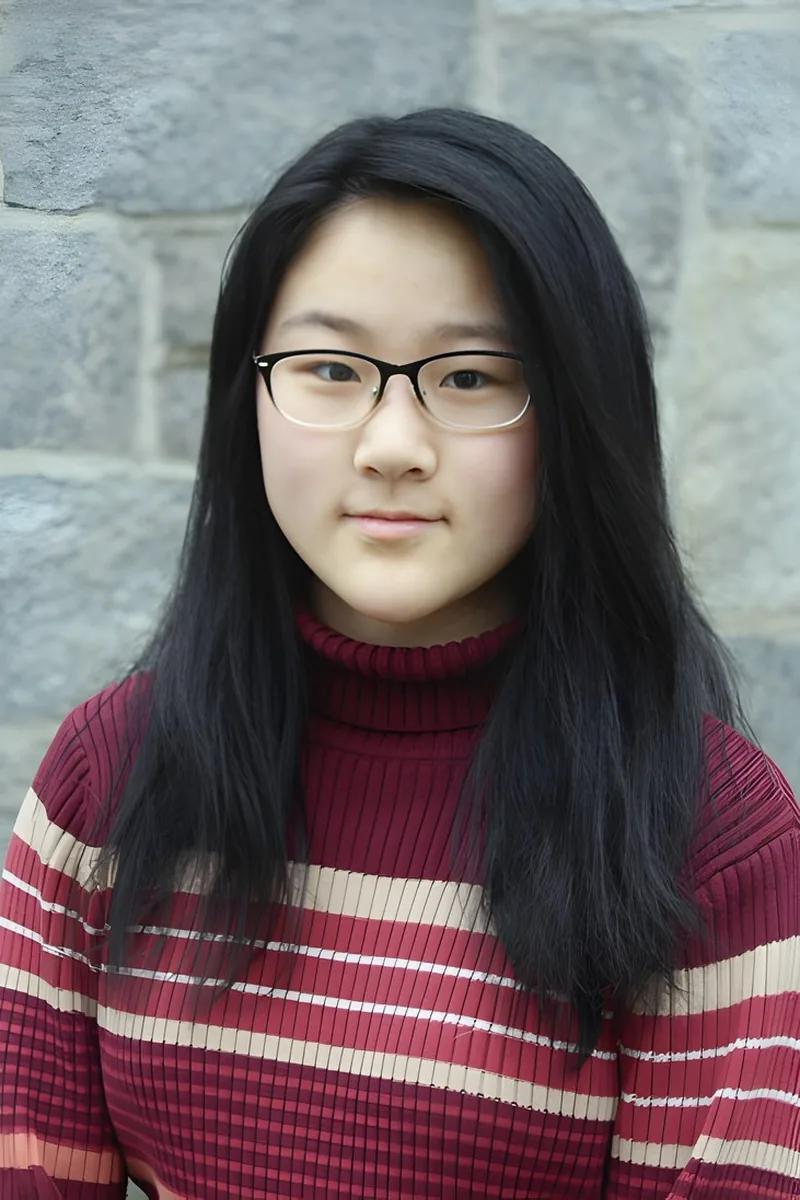
Graduate-level biology demands comfort with primary literature, experimental design, and the kind of cross-disciplinary thinking that connects molecular pathways to organismal outcomes. Nova's concentration in Health and Human Biology at Brown keeps her immersed in current research methods and advanced topics like immunology and systems biology. She approaches dense material by unpacking it into the core logic behind each experiment or model.

Graduate-level biology demands comfort with primary literature, experimental design, and cross-disciplinary thinking — exactly the skills Elliot sharpened through his own PhD. He digs into topics like molecular signaling pathways, neuroplasticity, and advanced statistical analysis of biological data, tailoring sessions to whatever a student's thesis or coursework requires.
Graduate-level coursework demands more than content recall; it requires reading primary literature critically and connecting findings across subdisciplines. Zoey's Master's in Marine Biology trained her in experimental design, data interpretation, and the kind of cross-disciplinary thinking that links molecular mechanisms to ecological outcomes. She's especially strong in ecology, conservation biology, and organismal physiology.
Graduate-level biology expects students to read primary literature, design experiments, and critique methodology — skills that go far beyond content knowledge. Delaney's own biology degree and her experience preparing for the GRE Biology Subject Test mean she's comfortable with advanced topics in molecular biology, genetics, and ecology, and she knows how to coach the analytical thinking that graduate programs demand.
Graduate-level biology demands more than content knowledge — it requires reading primary literature critically, designing experiments, and defending interpretations under scrutiny. As a neuroscience PhD candidate with roots in zoology, Kaushambi brings direct experience navigating qualifying exams, grant-style writing, and advanced coursework in molecular and systems biology. She digs into whatever specific subfield a student needs, from neuroanatomy to advanced cell signaling.
Few tutors can support graduate-level biology with the credibility of a PhD who has also taught genetics and molecular biology labs. Karista tackles advanced topics — from signal transduction pathways to experimental design in genomics — with the precision that graduate coursework and qualifying exams demand. Her science writing background also means she can sharpen how students communicate complex findings.
Graduate-level biology often demands the ability to synthesize across disciplines — linking molecular signaling pathways to tissue-level physiology to population-scale outcomes. Sanam's dual background in biomedical engineering and medicine means she can walk through complex topics like immunological cascades or gene regulation with both mechanistic depth and clinical relevance.
I am and have always been committed to education and helping students in any way I can to achieve their academic goals.
Graduate-level biology demands fluency with primary literature, experimental design, and the ability to synthesize across subfields. Dan earned his master's in Plant Biology and Conservation and has additional depth in molecular genetics, biostatistics, and bioinformatics — the kind of interdisciplinary range that makes him effective whether a student is tackling a qualifying exam or designing a thesis project.
Graduate-level biology demands fluency with primary literature, experimental design, and the kind of mechanistic thinking that textbooks alone don't develop. Kaitlyn's medical school training keeps her immersed in molecular biology, genetics, and neuroscience at a graduate level, so she can discuss signaling pathways or gene regulation with real depth. She's particularly strong at helping students interpret complex data figures and design controlled experiments for thesis work.
I am a PhD student at SUNY Downstate Medical Center studying Molecular & Cellular Biology. I graduated from Columbia University with a Bachelor of Arts in Biochemistry. I love to teach, mostly because of the impact of great teachers throughout my academic career. I think learning can be really fun, if teachers think outside the box and really challenge themselves to find novel ways of conveying concepts to students. Tried and true methods are always great in the classroom, but to work one-on-one with students requires a different approach. It's also critical that learning be something students want, not grudgingly sit through, so that their academic success is tied to their ability to understand and engage the material, not to what score they get on an arbitrary test.
Graduate-level biology demands the ability to read primary literature critically, design experiments, and synthesize across sub-disciplines like molecular biology, ecology, and bioinformatics. Michael earned his own master's in biology and understands the jump from undergraduate survey courses to the analytical rigor of graduate work. He digs into experimental design and data interpretation — the skills that separate students who survive grad school from those who thrive in it.
Beth's dissertation research at UC Davis on membrane fusion proteins — specifically the molecular machinery behind sperm-egg fertilization — means she's actively working at the frontier of cell biology. She breaks down complex topics like protein-protein interactions, signal transduction, and biophysical techniques with the fluency of someone who uses them daily. Rated 5.0 by students, she's an ideal fit for graduate-level coursework in molecular and cellular biology.
Between her cognitive science coursework and research at the National Institutes of Health, Snipta has worked with graduate-level biological concepts — from signal transduction pathways to computational genomics — in both academic and applied settings. She's especially strong at bridging quantitative analysis with biological reasoning, whether that means interpreting bioinformatics data or walking through enzyme kinetics derivations.
Graduate-level biology demands a shift from learning facts to critically evaluating experimental design, interpreting primary literature, and synthesizing across sub-disciplines. Charles holds a master's in biochemistry and an undergraduate degree in neuroscience, giving him direct experience navigating that transition. He digs into topics like signal transduction cascades, gene regulation models, and systems-level thinking with the rigor grad programs expect.
Graduate-level biology demands more than content knowledge — it requires reading primary literature critically, designing experiments, and defending ideas under scrutiny. Kathleen's Ph.D. training at Vanderbilt in Molecular Pathology & Immunology included years of teaching graduate students, and she brings that same rigor to breaking down advanced topics in cell signaling, gene regulation, and disease mechanisms. She's also won teaching awards for her ability to communicate complex material clearly across audiences.
Graduate-level biology demands more than content knowledge — it requires reading primary literature critically, designing experiments, and defending interpretations under scrutiny. As a postdoctoral fellow at Harvard Medical School conducting biomedical research in cellular and molecular biology, Patrick brings direct experience with grant-level scientific reasoning and can sharpen a student's ability to think like an independent researcher.
At the graduate level, biology becomes intensely interdisciplinary — a genetics problem might require statistical modeling, or a cell biology question might hinge on thermodynamic principles. Xhesika navigates these intersections naturally as a Ph.D./Pharm.D. student whose research spans pharmacology, molecular biology, and medicinal chemistry. She's particularly sharp on topics where biochemistry meets quantitative analysis, from enzyme kinetics to genomic data interpretation.
Graduate-level biology demands more than recall — it requires reading primary literature critically, designing experiments, and synthesizing across subfields like molecular biology, cell biology, and biostatistics. Michelle's own training in biology, combined with her comfort in neuroscience, bioinformatics, and biochemistry, lets her engage with advanced material on its own terms rather than simplifying it down. She's the kind of tutor who can discuss signal transduction pathways and then pivot to statistical analysis of the data they generate.
Graduate-level biology demands more than content knowledge — it requires the ability to critically read primary literature, design experiments, and interpret complex data sets. With a Master's in Environmental Biology and deep expertise in microbiology, Adeyemi tackles advanced topics like molecular phylogenetics, biostatistical analysis, and research methodology with the rigor grad students need.
I have eight years of experience teaching and tutoring Science, Math, and English to students ranging from middle school to college. I graduated with my PhD in Molecular Biology/Microbiology in 2020 from Wayne State University. During my graduate studies I taught undergraduate Introductory Biology Labs. I also served as a lead lecturer for Microbiology for one semester. Prior to graduate school, I received my BSc in Biology from University of Michigan, Dearborn in 2014. During my undergraduate studies, I tutored peers primarily in Biology and English courses. I also taught swim lessons to children of all ages for 5 years. I have worked with several ESL students, especially in English, Reading, and Writing. I also worked extensively with a peer who was visually impaired, which allowed me to come up with creative teaching strategies, such as building a cardboard model of a cell instead of looking at a cell through a microscope. Additionally, I have a 4-year old son with autism, have a deep understanding of his learning struggles, and have learned a wide variety of strategies to help him learn at his full potential. Thank you for taking the time to read about by background; I am excited to begin working with you!
Graduate biology courses demand precision — distinguishing between similar signaling cascades, interpreting primary literature, and applying molecular concepts to novel experimental designs. Zachary's doctorate in pharmacy and pharmaceutical chemistry background gave him extensive training in biochemistry, pharmacology, and cellular mechanisms at the graduate level. He's particularly strong at unpacking complex metabolic and physiological pathways.
Testimonials
Because the right Graduate Level Biology tutor makes all the difference.
Average Session Rating – Based on 3.4M Learner Ratings
Top 20 Science Subjects


Top 20 Subjects
Frequently Asked Questions
Graduate-level biology students often struggle with integrating knowledge across subdisciplines—for example, connecting molecular mechanisms to organismal physiology, or understanding how evolutionary principles apply to population genetics. Advanced topics like systems biology, bioinformatics analysis, and interpreting primary literature require both deep conceptual understanding and practical skills that don't always develop in coursework alone. Tutoring helps students build confidence in these synthesis-level challenges and develop strategies for tackling unfamiliar research questions.
Beyond explaining protocols, a tutor can help you think through experimental design, troubleshoot unexpected results, and understand the reasoning behind methodological choices. Whether you're designing your own experiments, analyzing data, or interpreting published methods, a tutor with research experience can guide you through the scientific thinking process and help you communicate your work clearly in lab reports or presentations.
Graduate students need to extract key findings, evaluate experimental design, and identify limitations in published studies—skills that go beyond simply understanding the content. A tutor can teach you how to critically assess methodology, spot potential confounding variables, and synthesize information across multiple papers. This is especially valuable when preparing for comprehensive exams or building background knowledge for your own research.
Modern biology increasingly requires comfort with statistics, bioinformatics, and mathematical modeling—from analyzing gene expression data to understanding population dynamics. Many graduate students have gaps in these areas. A tutor can help you bridge quantitative concepts with biological context, making statistical tests and computational approaches feel less abstract and more directly applicable to your research questions.
Comprehensive exams require synthesizing broad knowledge and thinking at a deeper level than course exams. A tutor can help you identify key concepts across your program's focus areas, practice articulating complex ideas clearly, and develop study strategies that emphasize connections rather than isolated facts. Mock exams and targeted review of weak areas are particularly effective for building both confidence and competence.
Ideally, your tutor should have graduate-level training in biology or a related field and preferably research or teaching experience at the graduate level. They should understand current research trends, be comfortable with specialized topics in your area, and have strong communication skills—the ability to explain complex concepts clearly is crucial. Varsity Tutors connects you with tutors who can match your specific needs, whether that's exam preparation, research support, or coursework help.
Graduate biology demands conceptual mastery—you need to understand not just what happens, but why and how it connects to other biological systems. A tutor helps you build mental models of complex processes, ask deeper questions, and practice explaining concepts in your own words. This approach strengthens both your comprehension and your ability to apply knowledge to novel problems, which is essential for research and advanced coursework.
Yes. Whether you're working with CRISPR applications, single-cell genomics, systems biology approaches, or other cutting-edge areas, a tutor with relevant expertise can help you navigate new literature, understand methodologies, and build competency quickly. This is particularly valuable when your coursework hasn't fully covered an area central to your research or when you need to develop expertise in an unfamiliar subdiscipline.
Let’s find your perfect tutor
Answer a few quick questions. We’ll recommend the right plan and match you with a top 5% tutor.