Award-Winning High School Biology
Tutors
High School Biology
Tutors
Private 1-on-1 tutoring, weekly live classes for academic support, test prep & enrichment, practice tests and diagnostics, and more to elevate grades and test scores.
Based on 3.4M Learner Ratings
UniversitiesSchools & Universities
DeliveredHours Delivered
ProficiencyGrowth in Proficiency
Who needs tutoring?
No obligation. Takes ~1 minute.
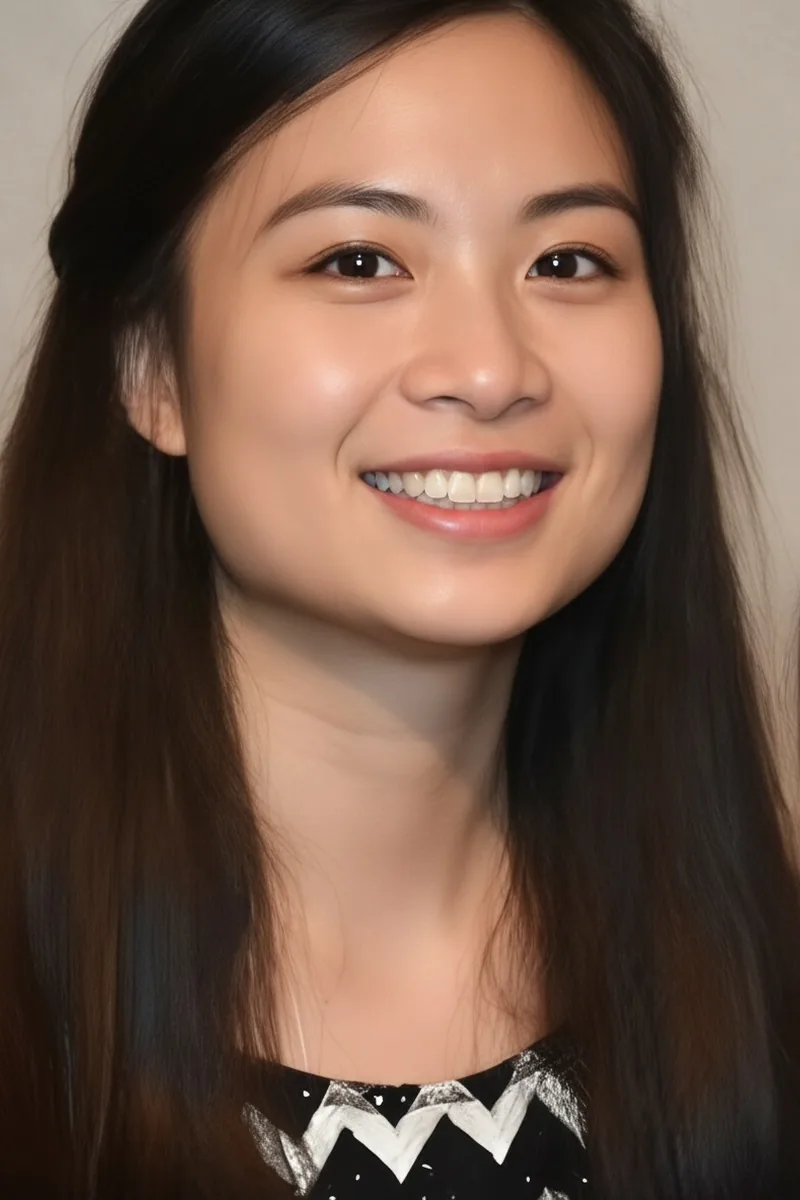
Cell division, Mendelian genetics, enzyme kinetics — Michelle teaches these topics with the depth of someone who majored in Biochemistry and Cell Biology at Rice University. Now in medical school at Baylor College of Medicine, she connects high school biology concepts to real physiological examples that make the material click rather than feel abstract.
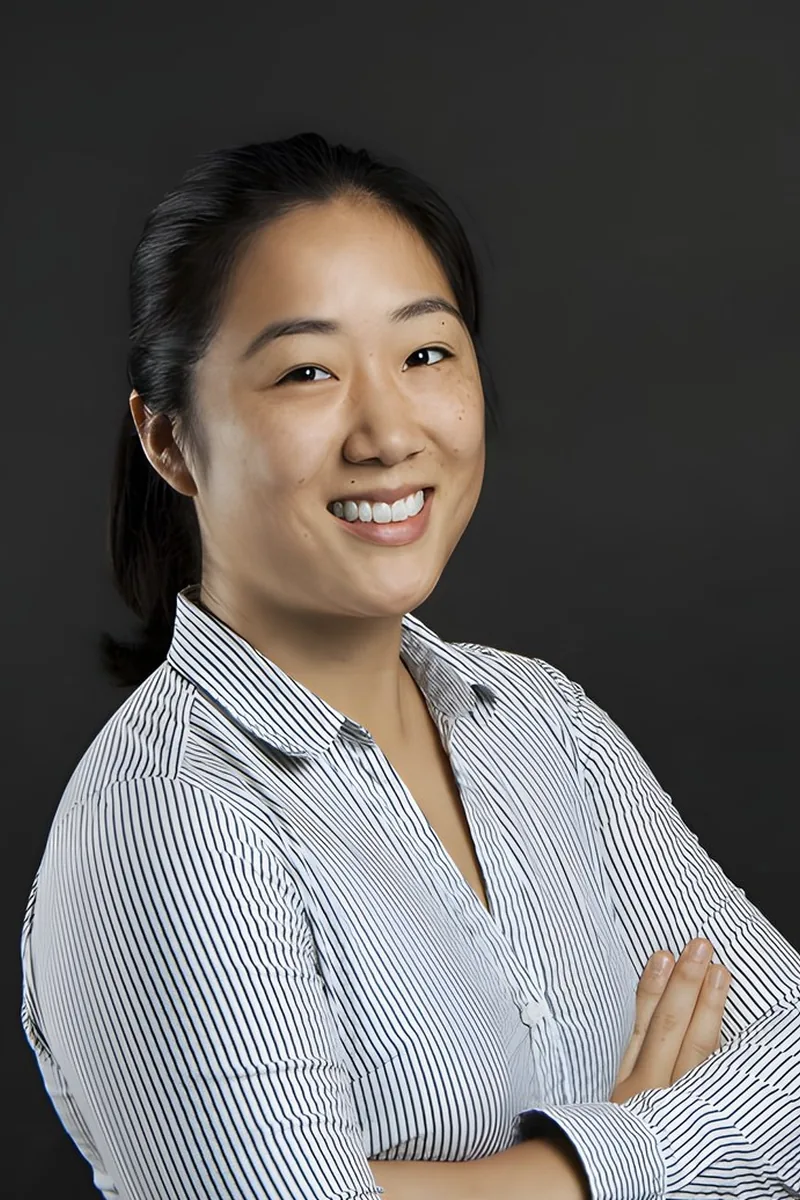
From cell structure to genetics to ecology, high school biology covers an enormous range of material that rewards organized thinking over brute-force memorization. Asta's University of Chicago training in building analytical frameworks translates well here — she teaches students to see how processes like mitosis, protein synthesis, and natural selection connect into larger biological narratives.
The jump from memorizing vocabulary like "mitosis" and "heterozygous" to actually understanding what's happening inside a cell is where most high school bio students get stuck — and Shayan's biology degree plus current pre-health grad work at Penn means he's made that jump repeatedly, each time at a higher level of detail. He teaches genetics and cell processes through concrete examples, connecting something like a Punnett square back to the molecular events that make inheritance work. Rated 5.0 by students.
Joseph earned his biology degree at UCLA before heading to Yale for a Master's in Public Health, so he's spent years immersed in genetics, cell structure, ecology, and human physiology. He breaks down dense topics like DNA replication and natural selection by connecting them to real public health scenarios that make the material click. Rated 4.9 by students.
From cell division to ecological relationships, high school biology covers enormous ground in a single year. Sydny — who earned three science-related bachelor's degrees before medical school — tackles each unit by anchoring new material to what a student already understands, turning topics like photosynthesis and Mendelian genetics into connected ideas instead of isolated chapters.
Environmental engineering forced Kate to master the biology that most engineers skip — ecosystem dynamics, nutrient cycling, microbial processes — because her field literally depends on understanding how living systems interact with water, soil, and air. That applied perspective makes her especially effective at teaching ecology and energy flow units, where she can ground abstract textbook diagrams in real systems she's modeled and measured. Rated 4.9 by students.
Rice University's biology program is notoriously rigorous, and Perry came out the other side with a dual B.S. in Biology and Biomedical Sciences — meaning he's covered everything from molecular genetics to ecological systems at a depth well beyond what high school courses demand. Now headed to medical school at Miami, he breaks down topics like DNA replication, energy metabolism, and inheritance patterns by connecting them to the clinical applications he's been prepping for, which gives students a reason to care about the details. Rated 5.0 by students.
Most high school biology courses live or die on how well a student can connect the micro to the macro — DNA replication to inheritance patterns, cellular respiration to whole-organism metabolism. Josef spent his Cornell years immersed in exactly these connections through life sciences research, and he brings that depth to topics like genetics, evolution, and ecology without overcomplicating them for a high school audience.
Ellie conducts autism research at Yale's School of Medicine, so she's immersed in cellular and molecular biology well beyond the textbook level. She unpacks topics like gene expression, cell signaling, and ecological relationships by tying them to current research examples that make the material feel relevant and easier to retain.
Phillip connects biology concepts — cellular respiration pathways, Mendelian genetics, ecological interactions — back to the underlying chemistry and physics that drive them, which is a natural byproduct of studying biomedical engineering at Brown. That cross-disciplinary lens makes topics like membrane transport or DNA replication feel less like isolated facts and more like systems with logic students can follow.
Running a cell biology lab at Notre Dame for three years meant Connor didn't just teach high school-level biology concepts — he watched students physically work through them at the bench. He unpacks topics like mitosis, Mendelian genetics, and cellular respiration by linking each process to observable, tangible outcomes rather than leaving them as diagrams on a page.
The jump from memorizing vocabulary to actually reasoning through biological processes — photosynthesis, mitosis, ecological interactions — is where most high school students struggle. Nishad approaches each unit by asking 'what problem is this system solving?' so that, for instance, the stages of cellular respiration become a logical energy-extraction sequence instead of a list of disconnected steps.
Most high school biology courses demand that students juggle memorization-heavy content — from cellular respiration pathways to Mendelian genetics — with increasingly analytical skills like interpreting experimental data. Sugi earned her biochemistry and cell biology degree summa cum laude from Rice and now applies that expertise to break down AP and honors-level topics into frameworks students can actually reason through, not just cram for exams.
Few high school biology tutors have actually spent years studying molecular and cellular biology at the college level and then continued into medical school. Maggie has, which means she can explain everything from mitosis to Mendelian genetics to cellular respiration with the depth needed to truly understand it — not just recognize it on a test. That deeper context is what turns a B student into someone who genuinely gets the material.
Biomedical engineering at Duke means Eric doesn't just study biology — he builds on it, applying concepts like cell signaling, tissue mechanics, and physiological systems to real engineering problems. That applied perspective makes him especially effective at unpacking units on cell structure, body systems, and genetics, because he can show students how each concept connects to something functional rather than just definitional. Rated 5.0 by students.
Cornell's biological engineering program required Mary to master biology at the molecular, cellular, and systems level — then immediately apply it to engineering problems, which means she learned early how to explain why a process like cellular respiration or mitosis matters, not just what the steps are. That engineering mindset is particularly useful when students struggle with topics like DNA replication or metabolic pathways, where understanding the logic behind each step beats memorizing diagrams. Rated 5.0 by students.
Stanford's biology program means Helen is learning the same material — cell cycles, genetics, ecological interactions — at a level that keeps the high school curriculum fresh and immediately accessible when she's explaining it. Four years of peer tutoring and TA experience in STEM courses have sharpened her ability to spot exactly where a concept like mitosis or Mendelian inheritance starts to blur for a student and restructure the explanation on the fly. Rated 5.0 by students.
Having studied biological sciences at the University of Chicago and then rebuilt that knowledge at the cellular and pharmacological level during nursing school at Penn, Kristin has an unusual double pass through the high school bio curriculum — once as pure science, once as clinical application. That means when she teaches topics like membrane transport or metabolic pathways, she can explain both the textbook mechanism and what it actually looks like when something goes wrong in a patient. Rated 5.0 by students.
Garrett holds three bachelor's degrees, including one in biology, which means he's covered the high school bio curriculum multiple times over — from photosynthesis and cell division to genetics and evolution. He leans heavily on physiology and anatomy knowledge to make topics like organ systems and homeostasis tangible, walking students through what's actually happening inside a living body rather than letting them skim definitions.
Running a 10th-grade Biochemistry course at a competitive magnet school, Kathleen teaches high school biology with a molecular lens — breaking down photosynthesis and cellular respiration into their actual chemical steps, not just summary diagrams. That approach turns topics like genetics, ecology, and evolution from memorization exercises into connected, logical stories. She holds a 5.0 rating from students.
The jump from memorizing biology vocabulary to actually reasoning through processes — photosynthesis electron transport, DNA replication forks, feedback loops in the endocrine system — is where most high schoolers struggle. Rhea approaches each topic by building a visual, step-by-step logic so students can reconstruct answers even when a question is worded differently than expected. She's currently pursuing her biology degree at UChicago, so these concepts are fresh and detailed in her teaching.
From mitosis and meiosis to photosynthesis and cellular respiration, high school biology asks students to visualize processes happening at a scale they can't see. Jake tackles this by walking through each process as a story with inputs, outputs, and a reason it matters to the organism — an approach shaped by his own Human Biology studies at Stanford, where connecting molecular details to whole-organism outcomes is the entire point.
As a biology major at Washington University in St. Louis with med school ambitions, Judah is deep in the weeds of the same material — genetics, cell energetics, ecological relationships — that high school bio students are seeing for the first time. That means he can pinpoint exactly where a concept like mitosis or DNA replication shifts from straightforward to confusing, and walk through the logic until it clicks. His 1580 SAT speaks to the kind of disciplined, detail-oriented thinking he brings to breaking down dense biological processes.
Cellular and molecular biology as a major means Pranav spent years inside the details that high school bio courses only skim — the actual mechanics of DNA replication, protein synthesis, and how cells generate energy through respiration. That depth lets him explain why a process works, not just label its steps, which makes a real difference when students hit units on molecular genetics or metabolism where memorizing vocabulary alone stops being enough.
A Vanderbilt-trained researcher in Chemical and Physical Biology, Dennis breaks down high school biology topics like cellular respiration, gene expression, and ecology by connecting them to the real lab work he did during his graduate and undergraduate career. He's especially effective at turning dense diagrams — think the Krebs cycle or meiosis stages — into stories that actually make sense on an exam.
I am a graduate from the University of Pennsylvania where I received my Bachelor's of Arts in Health & Societies with minors in Hispanic Studies and Chemistry while on the premed track. My tutoring experience begins junior year of high school where I tutored middle schoolers in pre-Algebra and Algebra and high school students in biology. I expanded my services in college to include mentoring as well as tutoring in gastroenterology program as part of a service project in collaboration with the Perelman School of Medicine targeted to Philadelphian high school students. Since graduation, I have continued in this role as a 4-8th grade math tutor. Math is a difficult subject but with sufficient time and attention, I believe every student is capable of excelling. I make it a point to curate my lesson plans to the specific needs of my students and emphasize open communication that allows for deeper understanding.
Vinay earned his B.S. in Molecular, Cell, & Developmental Biology from UCLA and is currently a medical student, so he teaches high school biology with the depth of someone who never stopped using it. He breaks down topics like cellular respiration, DNA replication, and Mendelian genetics by connecting each process to real biological problems rather than treating them as isolated diagrams to memorize.
Yale's biology program forced Tony to connect the dots between molecular-level processes and big-picture concepts like evolution and ecology — exactly the kind of integration that high school bio exams test but textbooks rarely make explicit. Now headed to Columbia for medical school, he breaks down topics like cellular respiration and genetics with the clarity of someone who recently had to master them at a much higher level and knows which steps in a pathway students are most likely to lose track of.
Psychology majors absorb more biology than most people realize — Paula's coursework in the biological basis of behavior covered neural signaling, sensory processing, and the body's stress-response systems, all of which map directly onto high school bio units on the nervous and endocrine systems. She pairs that background with a structured, concept-first teaching style that breaks down processes like feedback loops and cellular communication into clear cause-and-effect chains students can actually reconstruct on a test.
Stanford's Biocomputation track fuses computer science with life sciences, so Kevin has spent years studying biological systems at both the conceptual and data-driven level — from gene expression and cellular processes to modeling how biological networks behave. That dual lens is especially useful for breaking down topics like heredity, evolution, and molecular biology, where seeing the quantitative patterns underneath the vocabulary makes everything easier to retain. Rated 5.0 by students.
Cell and molecular biology wasn't just Emily's major at Duke — it was the lens through which she learned every other branch of biology, from genetics to physiology, earning Summa Cum Laude honors along the way. Now as a medical student at Columbia, she's applying that same material clinically, which means she can trace a concept like mitosis or protein synthesis from the textbook diagram all the way to why it matters in a living patient. Rated 5.0 by students.
An English major might seem like an unlikely biology tutor, but Ayako's well-rounded academic background and knack for breaking down dense material into clear language translate surprisingly well to units heavy on vocabulary and process-based reasoning — think cellular respiration chains or tracing the flow of genetic information from DNA to protein. She tackles biology the way she tackles a close reading: systematically, making sure every piece connects before moving on. Rated 5.0 by students.
Most high school biology courses hinge on a handful of big ideas — DNA replication, natural selection, cellular respiration, ecology — and Matt knows how to make each one stick. His neuroscience degree means he learned these concepts at a level well beyond AP, so he can simplify without oversimplifying. He's especially effective at teaching students how to interpret data tables and experimental setups, skills that show up on nearly every exam.
Cognitive science sits at the intersection of biology, psychology, and computation — so Hannah's degree gave her a working understanding of how biological systems like the brain and nervous system actually process information, which directly maps onto high school bio units covering cell signaling, body systems, and genetics. She's open about having struggled early in her own science classes, and that experience shapes how she paces explanations, breaking down dense processes like cellular respiration or mitosis into smaller logical steps rather than rushing through vocabulary.
Medical school forces you to rebuild every biology concept you thought you knew — Annie is in her second year of that process, which means topics like cellular respiration, membrane transport, and genetics are fresh enough that she can pinpoint exactly where the textbook explanation falls short. Her UCLA physiology degree adds a systems-level perspective that's especially useful when students need to connect what a single cell does to how an entire organ system behaves. Rated 5.0 by students.
As a health sciences grad student on the path to medical school, Mosab teaches high school biology with the depth of someone who never stopped using it. He's especially sharp on cellular respiration, genetics, and ecology — breaking down processes like the electron transport chain into steps that actually make sense instead of feeling like a blur of vocabulary words.
Teaching introductory biology at Cornell as a TA for the past year, Annie knows exactly where high school students tend to struggle — photosynthesis vs. cellular respiration, Mendelian genetics problems, and the details of mitosis and meiosis. Her active melanoma immunotherapy research adds a layer of real-world context that makes topics like the immune system and cell division feel urgent rather than abstract.
Conducting cancer and cell biology research at Memorial Sloan-Kettering meant Kelly wasn't just reading about mitosis and gene regulation — she was watching those processes go wrong in real tissue and figuring out why. That PhD-level understanding of how cells grow, divide, and communicate gives her an unusual ability to explain the mechanics behind textbook topics like DNA replication, cell cycle control, and protein synthesis in ways that actually make sense. Rated 5.0 by students.
Cancer biology coursework at the University of Chicago means Jessica is studying cell proliferation, mutation, and gene regulation at a level that maps directly onto high school bio units on cell division, DNA replication, and genetics — she can explain what happens when those processes go wrong, which makes the normal versions click faster. Her economics double major also gives her an unusual knack for teaching ecology topics like population dynamics and resource competition, where the logic mirrors economic modeling.
Researching aquatic ecology means Courtney traces biological processes — nutrient cycling, population dynamics, energy flow — through real ecosystems every day, which gives her a concrete way to teach units on ecology, photosynthesis, and cellular respiration that most tutors cover only from a textbook. Her master's in biology and undergraduate environmental sciences training let her connect the molecular scale to the ecosystem scale, showing students how a single metabolic pathway shapes an entire food web. Rated 5.0 by students.
Testimonials
Because the right High School Biology tutor makes all the difference.
Average Session Rating – Based on 3.4M Learner Ratings
Top 20 Science Subjects


Top 20 Subjects
Frequently Asked Questions
Students often find cellular processes—like photosynthesis, cellular respiration, and DNA replication—challenging because they require visualizing microscopic mechanisms. Genetics is another major pain point, especially Punnett squares and understanding dominant/recessive inheritance patterns. Many students also struggle with ecology concepts like energy flow through ecosystems and population dynamics because they're abstract and interconnected. A tutor can break these topics into digestible parts, use diagrams and models to make invisible processes visible, and help students see how each concept builds on previous ones.
True biology understanding comes from connecting structure to function—knowing not just that mitochondria are the "powerhouse of the cell," but understanding why their double membrane and cristae structure enable efficient ATP production. A tutor helps you ask "why" questions: Why do plants need both photosynthesis and cellular respiration? Why does meiosis create genetic variation while mitosis doesn't? By working through practice problems, analyzing case studies, and explaining concepts back to your tutor, you build deeper comprehension that sticks for exams and future science courses.
Lab work teaches the scientific method in action—forming hypotheses, controlling variables, and interpreting data—skills that go beyond memorizing vocabulary. A tutor can help you understand why your experiment design matters, how to troubleshoot when results don't match predictions, and how to write clear lab reports that explain your findings. They can also help you connect lab observations to the theoretical concepts you're learning in class, so you see how real-world experiments validate biological principles like enzyme kinetics or osmosis.
Biology is full of processes too small to see—protein synthesis, the electron transport chain, how antibodies bind to antigens—making visualization critical for understanding. A tutor can use diagrams, animations, physical models, and step-by-step drawings to help you "see" what's happening at the molecular and cellular level. They can also teach you to draw and annotate your own diagrams, which forces you to think through each step and builds stronger memory than passive reading. This skill becomes especially valuable when tackling complex topics like photosynthesis or the kidney filtration process.
Strong biology students don't just know facts—they can analyze data, evaluate experimental design, and make predictions based on biological principles. A tutor helps you develop these skills by asking you to interpret graphs, critique experimental methods, and explain "what would happen if" scenarios. For example, understanding how changing enzyme temperature affects reaction rate teaches you to think about variables and causation, skills that apply across all science. This type of reasoning is essential for AP Biology exams and college-level science courses.
Biology requires comfort with unit conversions (converting between moles, grams, and liters in stoichiometry), percentages (calculating allele frequencies in populations), and interpreting graphs and data sets. Many students struggle when biology and math intersect—like calculating dilutions in lab work or understanding pH scales. A tutor can review these foundational math skills in a biology context, so you're not just practicing conversions abstractly but applying them to real biological scenarios like calculating molarity for enzyme experiments or determining genetic frequencies in populations.
Biology exams test both conceptual understanding and the ability to apply knowledge to new scenarios—you might memorize the steps of meiosis but then need to explain how nondisjunction causes genetic disorders. Effective preparation involves creating concept maps that show how topics connect, practicing free-response questions that require explanation and reasoning, and doing practice problems that ask "why" not just "what." A tutor can help you identify which concepts you truly understand versus which you've just memorized, target weak areas with strategic practice, and develop test-taking strategies for essay and data-analysis questions.
Beyond knowing biology content, an effective tutor should excel at explaining abstract concepts clearly, asking probing questions that reveal gaps in understanding, and recognizing when a student is memorizing versus truly comprehending. They should be able to draw diagrams on the fly, suggest relevant real-world examples (like explaining natural selection through antibiotic resistance), and connect topics so you see the big picture. The best tutors also understand common misconceptions—like thinking mitochondria only exist in animal cells or confusing photosynthesis with chemosynthesis—and address them directly rather than letting them persist.
Let’s find your perfect tutor
Answer a few quick questions. We’ll recommend the right plan and match you with a top 5% tutor.