Award-Winning AP Computer Science
Tutors
AP Computer Science
Tutors
Private 1-on-1 tutoring, weekly live classes for academic support, test prep & enrichment, practice tests and diagnostics, and more to elevate grades and test scores.
Based on 3.4M Learner Ratings
UniversitiesSchools & Universities
DeliveredHours Delivered
ProficiencyGrowth in Proficiency
Who needs tutoring?
No obligation. Takes ~1 minute.
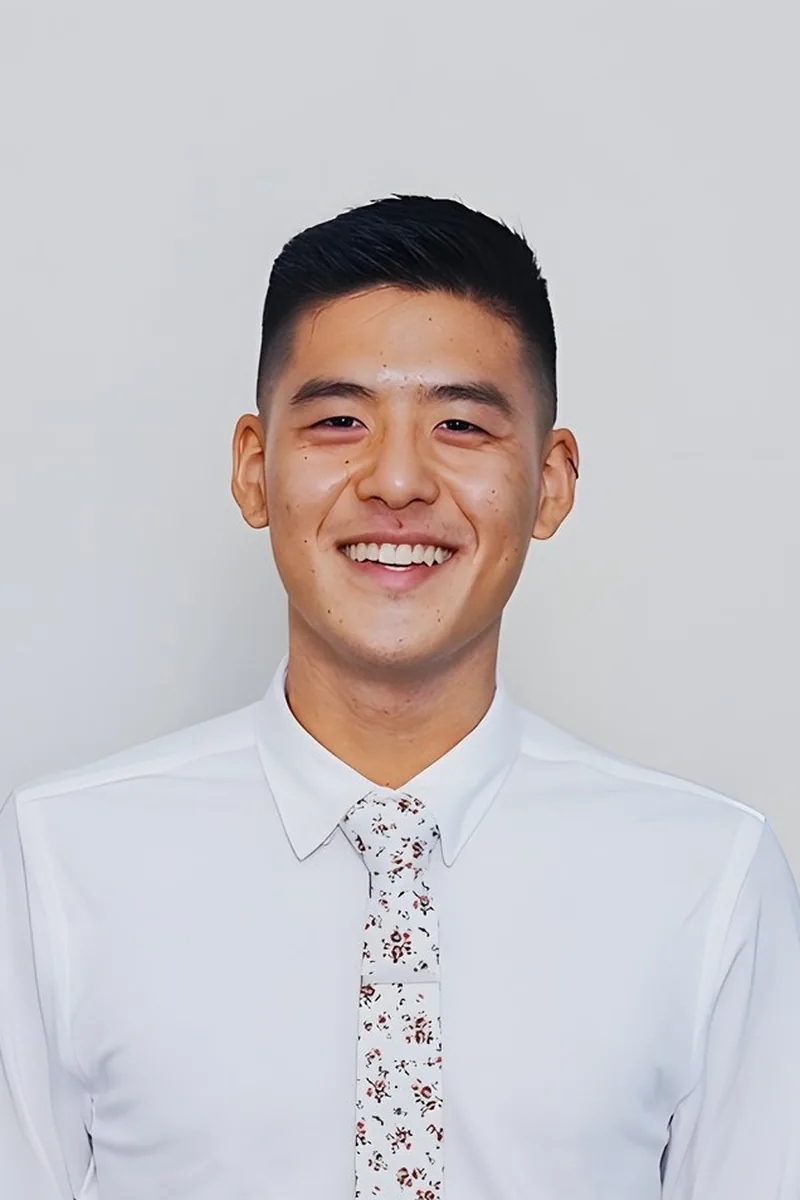
Engineering coursework trains you to think in systems — breaking complex problems into modular, testable pieces — which is exactly the reasoning AP Computer Science A demands when students write classes, trace through nested loops, or debug recursive methods. Wesley's biomedical engineering degree and research in biophysical chemistry mean he's been coding to solve real scientific problems, not just completing textbook exercises. That applied perspective makes abstract Java concepts feel purposeful rather than arbitrary.
Northeastern's co-op model means Charles isn't just learning computer science in a classroom — he's cycling between coursework and real-world application, which keeps AP Computer Science A topics like object-oriented design and algorithm tracing grounded in how software actually gets built. His 1580 SAT speaks to the kind of precise, methodical reasoning that makes the difference on Java free-response questions, where one misplaced semicolon or off-by-one error can unravel an otherwise solid solution.
Having studied computer science at UMass Amherst through both a bachelor's and now a master's program, Milo has spent years writing Java and building software well beyond what the AP exam covers — which means he can contextualize topics like array traversal, class hierarchies, and method overloading within the bigger picture of how real programs work. Three years tutoring in UMass's tutoring center taught him exactly where students get stuck, especially on tricky free-response questions that require tracing through nested logic step by step. Rated 5.0 by students.
Recursion, sorting algorithms, and object-oriented design aren't just AP exam topics for Sebastian — they're concepts he uses daily in his computer science coursework at UCF. He teaches students to trace through code by hand before running it, building the kind of debugging intuition that turns a 3 into a 5. Free-response questions get special attention since that's where most points are left on the table.
Robotics engineering at Penn means Mohamed writes code daily to solve real problems — sensor integration, control systems, data processing. He brings that applied perspective to AP Computer Science, teaching algorithmic thinking and program design principles through problems that show students why the concepts matter beyond the exam.
Studying computer science at UCF while also tutoring Java and C++ means Hassan is actively writing the same kind of code AP Computer Science A tests — from designing classes to tracing through recursive methods — on a near-daily basis. He's especially strong at walking through the logic of free-response problems step by step, making sure students understand how each line executes before moving on. Rated 5.0 by students.
Kevin earned his master's in computer science from NYU, so the Java fundamentals tested in AP Computer Science A — class design, control flow, recursion — are concepts he's built on for years rather than topics he's revisiting. He's the kind of tutor who'd rather over-explain a tricky loop trace than leave any ambiguity, which pays off when students hit the free-response section and need to write clean, correct code under pressure. Rated 4.8 by students.
Jett codes in Java, Python, and C as part of his electrical and computer engineering program at UT Austin, so the AP Computer Science A curriculum — from writing classes to implementing algorithms — overlaps with work he's already doing for his degree. Where he especially shines is connecting programming logic to the underlying hardware, explaining how a for-loop or recursive call actually executes at the machine level, which makes debugging and tracing problems far less mysterious. Rated 5.0 by students.
The AP Computer Science exam tests both coding fluency and the ability to trace through unfamiliar code under time pressure. Shlomo tackles both sides — drilling array manipulation, recursion, and ArrayList operations while also teaching the test-taking strategy that keeps students from burning time on free-response questions. His math background is especially useful for the algorithm-analysis problems that blend logic with computation.
The AP Computer Science exams test specific Java skills — recursive methods, sorting algorithms, 2D arrays — but they also require students to trace code under time pressure. Jake's CS coursework and strong test prep background (1540 SAT) mean he knows how to teach both the programming concepts and the exam strategy simultaneously.
As a lab assistant and grader for Rice University's Fundamentals of Computer Engineering course, Omar has seen firsthand where students stumble on AP Computer Science topics like recursion, array manipulation, and object-oriented design. He breaks down each concept by connecting it to how computers actually execute code at the hardware level — a perspective most AP prep can't offer. Rated 5.0 by students.
I am interested in Physics and Mathematics and working out practical problems from plumbing to electronics. I will someday go back for my Ph.D. in Physics but until then I am looking to grow as an engineer or computer programmer.
Christina's CS degree means she's written enough Java to know exactly where AP Computer Science A gets tricky — the leap from writing simple methods to designing full classes with inheritance, or the moment recursion stops feeling like magic and starts making sense. She teaches students to trace through code systematically, building the kind of debugging instinct that pays off on both multiple-choice and free-response sections.
The AP Computer Science exam tests more than just writing code — it demands quick reasoning about recursion, sorting algorithms, and array manipulation under time pressure. Kirollos, a CS major at NYU, unpacks each of these topics by having students trace through code by hand before ever touching a keyboard, building the kind of fluency the exam rewards.
Computational problem-solving sits at the core of Srini's biophysics work at Brown, where modeling biological systems requires writing and debugging code regularly. He teaches AP Computer Science by grounding abstract ideas — algorithms, data representation, the internet's layered protocols — in concrete examples that make the material click on exam day.
Hackathons and robotics competitions taught June to debug under pressure and think through code systematically — exactly the skills AP Computer Science A tests on free-response questions. Her electrical engineering studies at Brown mean she understands computing from the hardware up, giving her a concrete way to explain why Java handles variables, memory, and control flow the way it does.
Currently studying computer science at MIT, Brice writes Java and Python regularly enough that AP Computer Science A topics like inheritance, polymorphism, and recursive methods feel like second nature rather than exam abstractions. He teaches the *why* behind each design pattern — why you'd use an ArrayList over an array, why a method should return a value instead of printing it — so students build real programming intuition. Rated 4.9 by students.
Scoring a 5 on the AP Computer Science exam while simultaneously deep in calculus, biology, and chemistry APs gave William a clear picture of how CS thinking differs from other STEM disciplines — it's less about formulas and more about structuring logic step by step. His dual engineering track at Vanderbilt (biomedical and chemical) means he regularly writes code to process lab data and model systems, keeping Java concepts like iteration, array handling, and method design sharp through actual use rather than exam review alone.
Studying Computer Science at Cornell gives Jonathan daily exposure to the data structures, object-oriented design, and algorithmic thinking that drive the AP Computer Science exam. He breaks down topics like recursion and sorting algorithms by connecting them to real engineering problems from his coursework, making abstract concepts click faster.
Between physics problem sets and computer science coursework at Cornell, Joel writes Java and Python to solve real computational problems — not just classroom exercises. That dual perspective is especially useful for AP Computer Science A topics like algorithm design and object-oriented programming, where understanding the logic behind the code matters as much as getting it to compile. His 35 ACT reflects the kind of precise, systematic thinking that translates directly to tracing through free-response questions.
Double-majoring in computer science and English gives Milan an unusual edge when it comes to AP Computer Science A — he writes Java with technical precision but also explains it in plain language, which matters when students are stuck on why a recursive call unwinds the way it does or how inheritance actually changes method behavior. His CS coursework means topics like array traversal, class design, and algorithm tracing are daily practice, not distant exam material.
Brian owns a web design business alongside his CS studies at Case Western Reserve, so he's not just learning Java in a classroom — he's shipping real code and debugging real problems on a regular basis. That practical loop of building, breaking, and fixing software gives him a concrete way to teach AP Computer Science A topics like object-oriented design and algorithm tracing through actual examples rather than abstract diagrams. Rated 5.0 by students.
Ryan studies computer science at UVA and knows the AP Computer Science curriculum inside out — from object-oriented design and recursion to array manipulation and sorting algorithms in Java. He teaches students to think through problems before writing a single line of code, building the kind of algorithmic reasoning that earns 5s on the exam. Rated 5.0 by students.
While computer science isn't John's primary credential, his engineering training at a program rigorous enough to earn Tau Beta Pi membership gave him strong foundations in algorithmic thinking and problem decomposition. He approaches AP Computer Science concepts like recursion, sorting algorithms, and object-oriented design with the structured logic of an engineer who learned to code as a working tool.
AP Computer Science isn't listed among Hannah's core subjects, but her physics degree required writing code to model systems, analyze data, and solve computational problems — skills that map directly onto the algorithmic thinking and logical reasoning the AP exam tests. She's strongest at teaching students to slow down and trace through control flow and conditionals methodically, the same systematic approach her physics training drilled into her.
The AP Computer Science A exam leans heavily on array manipulation, recursive methods, and class design — topics that reward structured thinking over memorization. Lloyd's data science background at Rochester means he tackles these concepts daily, and he teaches students to trace through code by hand so they can predict output on free-response questions without second-guessing.
Sandra's CS degree means she didn't just learn Java for a single course — she built with it across semesters of data structures, algorithms, and software design, giving her a deep understanding of the object-oriented concepts AP Computer Science A hammers on free-response questions. She also scored a perfect 1600 on the SAT, which speaks to the kind of precise, methodical reasoning that translates directly to tracing through recursive calls and debugging logic errors. Rated 5.0 by students.
Columbia's CS program has Julian writing Java and working with object-oriented design patterns well beyond the AP level, which means he can zoom in on exactly the pieces — like loop tracing, array logic, or class construction — that the exam actually tests. He's spent enough time in group study sessions watching classmates struggle with gaps in foundational concepts to know that solid understanding of how each line of code executes matters more than memorizing syntax.
Studying computer science while double-majoring in studio art gives Parker an unusual edge when teaching AP Computer Science — he thinks visually about code structure, sketching out class hierarchies and loop logic as diagrams before translating them into Java. That creative problem-solving approach, paired with daily coursework in algorithms and data structures, means students get explanations tailored to how they actually think rather than a one-size-fits-all walkthrough. Rated 5.0 by students.
Swarthmore's CS curriculum throws students into Java early and often, so Eric isn't just reviewing AP Computer Science A material — he's actively building on it in his own coursework every week. That proximity to the content means he can pinpoint exactly where topics like array manipulation or class hierarchy design tend to trip students up, and explain them in the clear, plain-language style his liberal arts training sharpened.
Most AP Computer Science A students get tripped up not on syntax but on thinking through what their code actually does — tracing a loop iteration by iteration or figuring out why a method returns the wrong value. Dennis teaches across Java, JavaScript, and web development, which means he can explain object-oriented concepts from multiple angles and show students how the same logical patterns appear across languages. Rated 5.0 by students.
Computer science isn't Zain's primary academic background, but his interdisciplinary training at Wesleyan sharpened the logical and analytical thinking that underpins AP Computer Science concepts like algorithm design and object-oriented programming. He's particularly effective at walking through the exam's free-response questions, where clear reasoning matters as much as correct syntax.
Two years as a Java teaching assistant at Illinois Institute of Technology means Muntaser has watched hundreds of students wrestle with the exact concepts AP Computer Science A tests — inheritance, loop tracing, array logic — and learned how to explain them in ways that actually land. His computer engineering degree and professional software engineering work add a layer most tutors can't: he knows how these OOP principles play out in real codebases, not just on exam day.
Two years writing computerized tasks for Ohio State's Clinical Neuroscience Laboratory gave Luke hands-on experience building software to solve real research problems — the kind of structured, logical coding that maps directly onto AP Computer Science A topics like control flow, method design, and class construction. His psychology training also sharpens how he explains tricky concepts, since he's attuned to where confusion actually originates rather than just what the correct answer looks like. Rated 4.8 by students.
Triple-majoring in Computer Science, Mathematics, and Economics at IUPUI means Darren lives in Java and algorithmic thinking daily — not just for one class, but across disciplines that each demand rigorous logic and clean code. That cross-disciplinary perspective is especially useful for AP Computer Science A's free-response questions, where breaking a problem into smaller computational steps mirrors the same decomposition skills his math and econ coursework reinforces every week.
The AP Computer Science exam tests both conceptual understanding and the ability to trace through code under time pressure — two skills that require different preparation strategies. Sam's electrical and computer engineering background means he can walk students through recursion, object-oriented design, and array manipulation with the kind of precision that turns confusing exam questions into recognizable patterns.
I am a graduate of MIT. I received my Bachelor of Science in Mathematics with minors in Management Science and Ancient and Medieval Studies. Since graduation, I have started my PhD at Georgia Tech in Operations Research. Throughout my career I have TA'd several math and computer science courses at the college level. I have also taught at summer programs for gifted middle school and high school students. I am passionate about tutoring kids in math and science because I think that a strong foundation in STEM at an early age can set the tone for their future. In my spare time I like to engage in athletics, and was a Division 1 rower in college.
I'm a recent graduate of the California Institute of Technology in Economics and Computer Science. I was also accepted at Harvard, Princeton, MIT, and Stanford. I have a broad range of interests spanning science, math, engineering, social science, the humanities, the arts, and athletics (I also played on the Caltech basketball team). My background allows me to tutor general college prep, especially the SAT, ACT and the GRE. I love to teach analytical thinking, ranging from advanced Math and Physics to strategies for understanding literature and developing arguments.
I am a graduate of Stanford University, where I received a BS in Cognitive Science and an MS in Computer Science. After graduation, I spent a summer in Palestine, where I taught web development, app development, and entrepreneurship to a cohort of overenthusiastic high school students; now, I've moved halfway across the country from the Bay Area to the Twin Cities. From volunteering with organizations like Twin Cities Rise and The Mid-Continent Oceanographic Institute to checking out art institutions like the Walker and Mia, it's been such a wonderful time settling into this new place that I call home.
I'm a freshman at Stanford University pursuing a degree in mathematical and computational science. I've been tutoring students from grades 3-12 throughout high school, and I look forward to continue in college. Nothing excites me more than learning something new, and I strive to share my excitement with my tutees.
Testimonials
Because the right AP Computer Science tutor makes all the difference.
Average Session Rating – Based on 3.4M Learner Ratings
Top 20 Technology and Coding Subjects


Top 20 Subjects
Frequently Asked Questions
Students typically find object-oriented programming concepts—especially inheritance, polymorphism, and encapsulation—challenging to grasp initially. The 2D array manipulation and ArrayList operations also trip up many students, particularly when combined with nested loops and algorithmic thinking. Additionally, the transition from procedural thinking to designing classes with proper method decomposition often requires targeted practice, and students frequently underestimate the importance of understanding how the AP exam's GridWorld or other case study frameworks apply these core concepts.
The exam splits into two sections: a 90-minute multiple-choice section (40 questions) testing conceptual understanding and code reading, and a 90-minute free-response section (4 questions) requiring students to write and debug code. Many students underestimate the multiple-choice section's difficulty—it requires not just knowing syntax but understanding what code does without running it. Effective tutoring addresses both skills: building speed and accuracy in reading unfamiliar code, and developing the ability to design solutions and explain your reasoning clearly in free-response questions.
Recursion requires students to think about problems in a fundamentally different way than the iterative loops they've mastered, and many struggle to visualize the call stack or trust that the recursive case will eventually terminate. The challenge intensifies when recursion is combined with arrays or strings, or when students need to trace through multiple recursive calls mentally. A tutor can break down recursion using visual tools like call stack diagrams and simplified examples, then gradually build complexity so students develop intuition rather than just memorizing patterns.
Free-response questions reward clear design and partial credit heavily—writing pseudocode or outlining your approach first prevents costly mistakes and earns points even if your code isn't perfect. Students should spend 2-3 minutes planning before coding, identifying what variables and loops they'll need. Tutoring focuses on teaching students to read prompts carefully for edge cases, write modular helper methods rather than one giant solution, and practice writing clean, readable code quickly so they can verify logic under pressure.
The multiple-choice section frequently presents buggy code or asks students to predict output without running it—skills that require deliberate practice. Tutors work through code-tracing exercises systematically, teaching students to track variable values through loops and method calls, spot off-by-one errors, and recognize common mistakes like null pointer issues or incorrect loop bounds. Regular practice with released AP exam questions builds pattern recognition so students can quickly identify problems and understand why code behaves unexpectedly.
With 90 minutes for 40 multiple-choice questions, students should aim for roughly 2 minutes per question, but skipping difficult questions and returning to them saves time and confidence. For free-response, allocating 20-25 minutes per question allows time for planning, coding, and review. Tutoring includes timed practice tests to help students find their rhythm, identify which question types slow them down, and develop strategies like solving the easiest free-response question first to build momentum.
Students who struggle with foundational concepts (loops, arrays, methods) typically see the biggest gains—often 2-3 score levels—when they close those gaps through focused tutoring. Students already scoring 3s or 4s can reach 5s by sharpening free-response writing clarity and eliminating careless mistakes on multiple-choice through deliberate practice. The timeline depends on starting point and consistency, but 8-12 weeks of regular tutoring combined with independent practice typically produces meaningful improvement.
Beyond strong Java proficiency and understanding of AP exam content, an effective tutor should have experience teaching object-oriented design, recognizing common student misconceptions, and explaining abstract concepts like recursion and polymorphism clearly. Familiarity with the specific AP case study (GridWorld or others) and access to released exam questions is important. Ideally, tutors have either taught AP Computer Science or scored well on the exam themselves and understand the exact skills the exam tests.
Let’s find your perfect tutor
Answer a few quick questions. We’ll recommend the right plan and match you with a top 5% tutor.