Award-Winning CLEP College Composition Modular
Tutors
CLEP College Composition Modular
Tutors
Private 1-on-1 tutoring, weekly live classes for academic support, test prep & enrichment, practice tests and diagnostics, and more to elevate grades and test scores.
Based on 3.4M Learner Ratings
UniversitiesSchools & Universities
DeliveredHours Delivered
ProficiencyGrowth in Proficiency
Who needs tutoring?
No obligation. Takes ~1 minute.
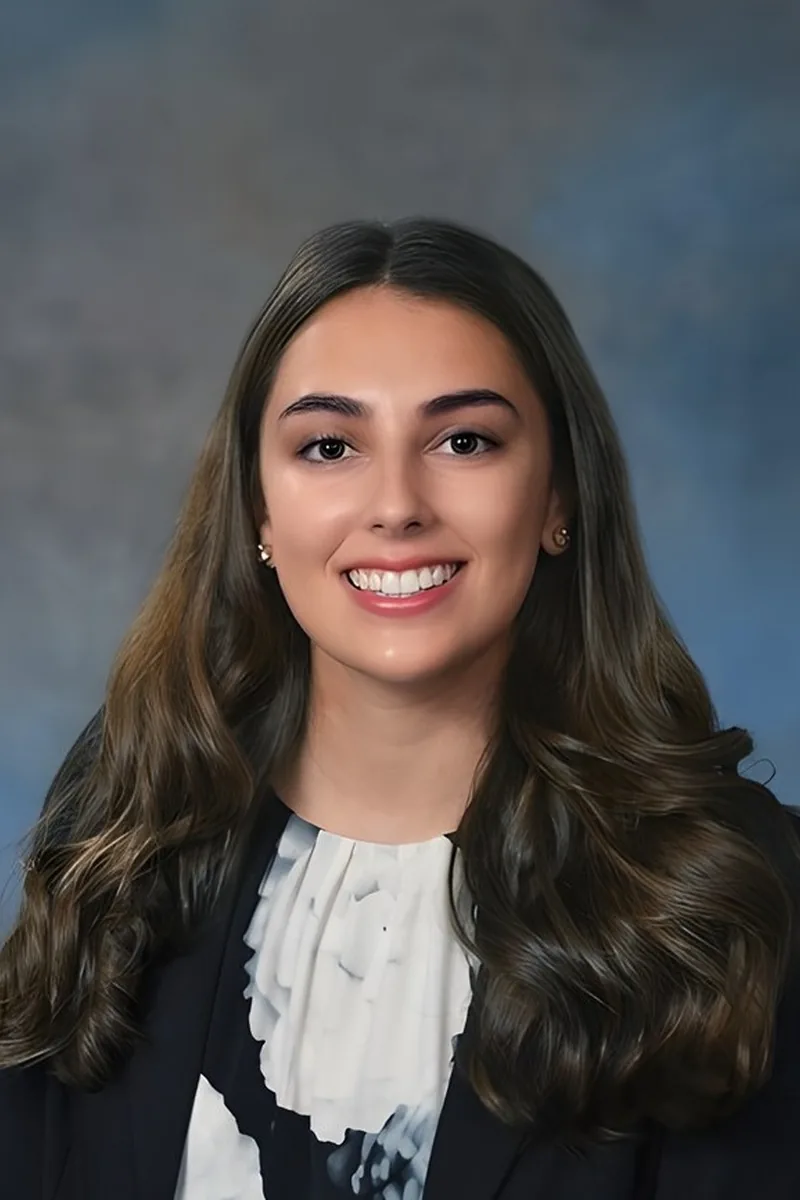
Crafting clear, evidence-based arguments is something Amanda does daily in public health writing, and she applies that same structural rigor to CLEP College Composition prep. She walks students through thesis construction, rhetorical analysis, and revision strategies so they can handle both the essays and the multiple-choice grammar and style questions with confidence.

The CLEP College Composition Modular exam tests rhetorical analysis, argument evaluation, and conventions of standard written English — all without the essay component. Peter's journalism degree trained him to dissect how writers construct persuasive arguments, and his education background means he can teach students to spot logical fallacies, identify rhetorical strategies, and correct sentence-level errors efficiently. He structures review around the question types students find trickiest, especially the passage-revision items.
The CLEP College Composition Modular exam tests rhetorical analysis, argumentation, and revision skills under tight time constraints — areas Samantha sharpened through two months of teaching English abroad in Thailand and her writing-intensive coursework at Princeton. She breaks down each essay prompt type so students know exactly how to structure a thesis, integrate evidence, and self-edit before time runs out.
The CLEP College Composition Modular exam zeroes in on rhetorical analysis, argument evaluation, and revision skills without requiring a timed essay. Robert approaches each section by teaching students to spot logical fallacies, recognize effective transitions, and evaluate source integration — the same editorial instincts he developed through years of writing and essay editing.
The CLEP College Composition Modular exam tests rhetorical analysis, argument construction, and command of standard written English — all under timed conditions. Kate's deep experience with essay writing and grammar instruction means she can pinpoint whether a student struggles more with organizing ideas or with sentence-level mechanics, then target that weakness directly. She also unpacks the multiple-choice rhetoric questions, teaching students to identify logical fallacies and rhetorical strategies efficiently.
Because the CLEP College Composition Modular replaces the timed essay with additional multiple-choice questions, the emphasis shifts heavily toward rhetorical analysis, sentence-level revision, and understanding research conventions. Ariana's English teaching certification and classroom experience mean she can pinpoint exactly where a student's grammar or argumentation instincts break down. She walks through each question type — from identifying thesis weaknesses to correcting dangling modifiers — until the reasoning behind each answer becomes second nature.
Because the CLEP College Composition Modular exam tests revision and editing skills without requiring an actual essay, it rewards students who can spot errors in argument structure, sentence boundaries, and rhetorical strategy. Jennifer's professional writing work as a digital media specialist means she edits prose daily and can pinpoint exactly why a comma splice weakens a paragraph or how a thesis statement loses focus. She carries a 5.0 client rating.
The modular version of the CLEP College Composition exam isolates revision and editing skills — spotting faulty parallelism, tightening thesis statements, restructuring paragraphs for coherence. As a Creative Writing major who spends her days dissecting prose at the sentence level, Alexandra brings a trained editorial eye to each practice passage. She walks students through the reasoning behind every answer choice so the logic transfers to test day.
Strong scientific writing requires the same skills the CLEP College Composition Modular tests: clear thesis development, logical organization, and precise use of evidence. Michelle's biology training means she's spent years constructing and revising analytical arguments, and she teaches students to outline essays quickly, strengthen topic sentences, and avoid the common rhetorical pitfalls that cost points on this exam.
The CLEP College Composition Modular exam tests rhetorical analysis, argument structure, and revision skills — territory Ryan covers constantly in his philosophy coursework. He unpacks each question type, from identifying logical fallacies to choosing effective sentence-level revisions, so students know exactly what the exam is asking before they sit down.
Testimonials
Because the right CLEP College Composition Modular tutor makes all the difference.
Average Session Rating – Based on 3.4M Learner Ratings
Top 20 Test Prep Subjects


Top 20 Subjects
Frequently Asked Questions
The CLEP College Composition Modular emphasizes clear thesis statements, logical paragraph organization, and coherent argument development. You'll need to demonstrate proficiency in constructing multi-paragraph essays with strong introductions, body paragraphs that support your main idea with evidence, and conclusions that reinforce your argument. Tutors help students practice organizing thoughts quickly under timed conditions, focusing on clarity and logical flow rather than elaborate prose—skills that directly align with what the exam evaluates.
The editing and revision portion tests your ability to identify and correct errors in grammar, sentence structure, word choice, and organization within existing passages. This section requires recognizing problems like run-on sentences, misplaced modifiers, awkward phrasing, and logical inconsistencies. A tutor can help you develop a systematic approach to spotting these errors by analyzing sample passages, learning common error patterns, and practicing timed editing exercises that mirror the actual test format.
The CLEP College Composition Modular has distinct sections—multiple-choice questions on grammar and writing mechanics, editing passages, and essay writing—each requiring different pacing. The multiple-choice sections demand quick recognition of errors, while the essay portion requires planning and drafting time. Tutors help students practice allocating time strategically: spending 30-45 seconds per multiple-choice question, leaving buffer time for difficult items, and reserving 20-25 minutes for essay planning and writing to ensure you produce a complete, organized response.
Common problem areas include subject-verb agreement, pronoun reference and agreement, comma usage, sentence fragments and run-ons, misplaced modifiers, and parallel structure. Many students also struggle with distinguishing between similar errors (like confusing a comma splice with a run-on sentence) and understanding *why* a correction is needed, not just recognizing that something sounds wrong. Tutors focus on building foundational grammar knowledge and teaching students to identify the specific error type, which sharpens both multiple-choice performance and essay quality.
Effective essay planning on the CLEP involves quickly reading the prompt, identifying the main argument you'll make, and outlining 2-3 supporting points before you start writing. Many students skip this step to save time, but a 3-5 minute outline prevents rambling, contradictions, and incomplete thoughts that hurt your score. Tutors teach a rapid planning method: jot your thesis, list evidence or examples for each body paragraph, and note your conclusion—this takes minimal time but creates structure that evaluators notice immediately.
Taking full-length practice tests under timed conditions is essential—they reveal whether you struggle more with grammar mechanics, editing passages, or essay organization. After each practice test, analyze your wrong answers by category: Are you missing comma rules? Misreading sentence structure questions? Writing unfocused essays? A tutor can help you categorize errors, prioritize which concepts need the most work, and create a focused study plan that addresses your specific gaps rather than reviewing everything equally.
Score improvement depends on your starting point and study consistency. Students who work with a tutor on grammar fundamentals, practice editing passages regularly, and write multiple timed essays typically see meaningful gains—often 50-100 points or more—within 4-8 weeks of focused preparation. The key is identifying exactly which skills are holding you back (grammar, editing, essay structure, or timing) and practicing those specific areas. Consistent practice with feedback is more effective than passive review.
Writing essays in isolation means you won't know if your thesis is clear, your evidence actually supports your argument, or your organization confuses readers. Tutors provide specific, actionable feedback on essay structure, argument clarity, grammar, and whether you're meeting the prompt requirements—feedback you can't get from self-grading. This targeted critique helps you break bad habits, understand what evaluators are looking for, and revise your approach before test day, which directly translates to higher essay scores.
Let’s find your perfect tutor
Answer a few quick questions. We’ll recommend the right plan and match you with a top 5% tutor.