Award-Winning COMPASS Writing Skills
Tutors
COMPASS Writing Skills
Tutors
Private 1-on-1 tutoring, weekly live classes for academic support, test prep & enrichment, practice tests and diagnostics, and more to elevate grades and test scores.
Based on 3.4M Learner Ratings
UniversitiesSchools & Universities
DeliveredHours Delivered
ProficiencyGrowth in Proficiency
Who needs tutoring?
No obligation. Takes ~1 minute.
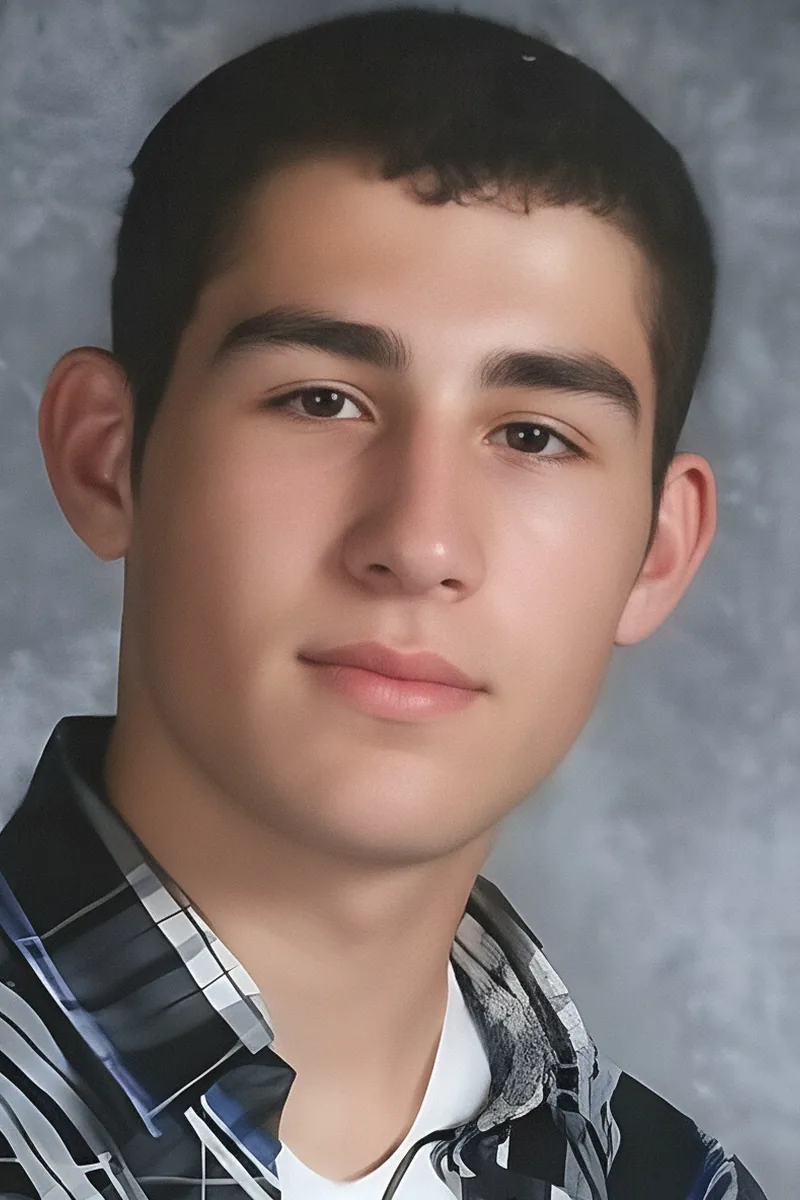
Strong sentence structure and clear argumentation are what the COMPASS Writing Skills section really tests, and Christopher treats it that way — drilling punctuation rules, subject-verb agreement, and rhetorical organization until they become second nature. His own writing background, from college essays to literary analysis at Harvard, keeps his grammar instruction grounded in real usage.
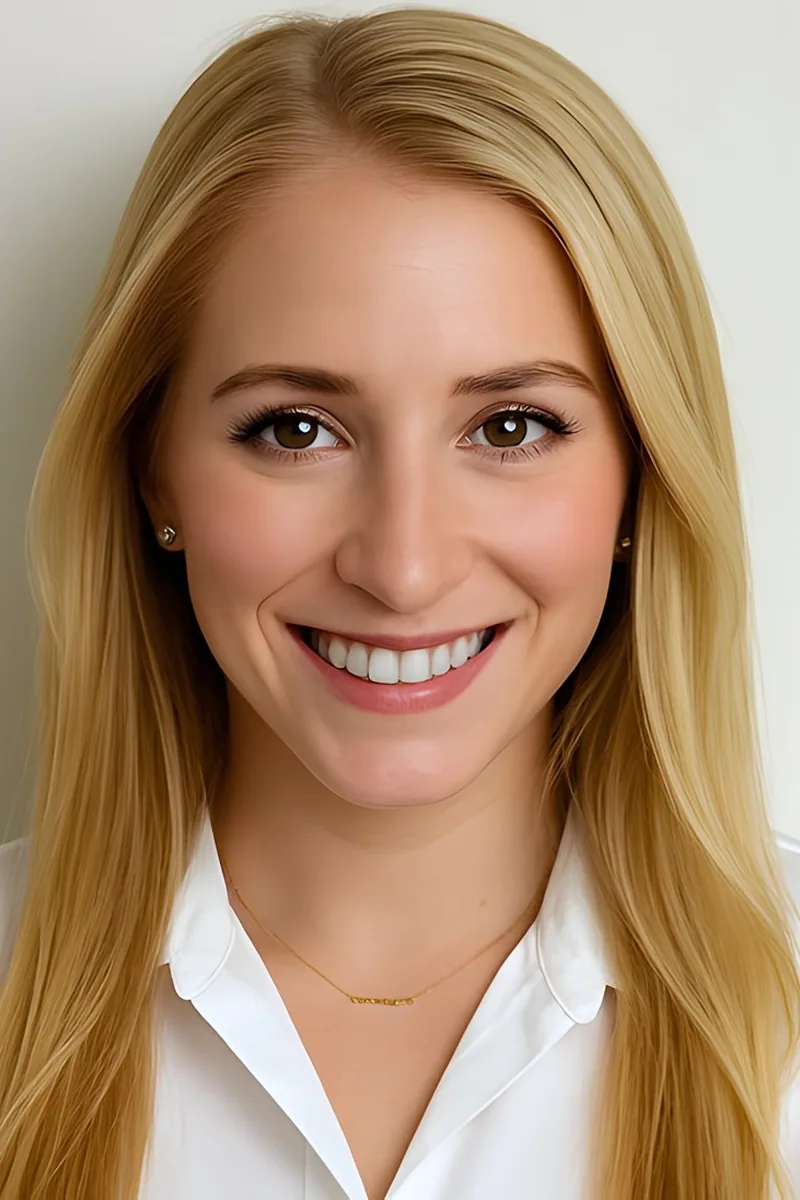
Two distinguished theses and years of classroom teaching across grades 2–4 gave Molly a deep familiarity with the mechanics of clear writing — comma usage, subject-verb agreement, sentence boundaries — which are exactly what the COMPASS Writing Skills section tests. She approaches each question type by teaching the underlying grammar rule first, then drilling timed practice so students can diagnose errors quickly and confidently. Rated 5.0 by her clients.
The COMPASS Writing Skills test zeroes in on sentence structure, punctuation, and usage errors that students need to spot quickly in context. Clare teaches the specific grammar patterns — comma splices, subject-verb agreement, modifier placement — that appear most frequently, turning what feels like guesswork into a systematic process. She's rated 5.0 by her students.
The COMPASS Writing Skills section tests grammar mechanics and sentence structure under time pressure, which means students need to spot errors in agreement, punctuation, and organization quickly. Dylan's background in policy writing — where clarity and precision are non-negotiable — translates directly into the kind of editing instincts this test rewards.
The COMPASS Writing Skills section zeroes in on sentence structure, punctuation, and usage errors that many students have never been formally taught to spot. Rithi approaches it methodically — isolating common error patterns like comma splices, subject-verb agreement with tricky intervening phrases, and pronoun reference — so students build a reliable checklist rather than relying on what "sounds right."
Studying Spanish alongside English literature gave Sydney a double lens on grammar — she understands sentence structure not just as a set of rules but as a system that works differently across languages, which sharpens her ability to explain why English conventions like subject-verb agreement, comma placement, and parallel structure work the way they do. She applies that cross-linguistic instinct to COMPASS Writing Skills prep, walking test-takers through each error type with clear reasoning. Rated 4.9 by her clients.
Between writing papers on theology and performing comedy, Mia spends a lot of time thinking about how language works — when a sentence lands, when punctuation changes meaning, and when structure falls apart. That instinct for clear, precise writing maps directly onto the COMPASS Writing Skills section's grammar and sentence-structure questions. She teaches the underlying rules behind comma usage, agreement errors, and rhetorical organization so students can diagnose problems on sight rather than relying on ear.
The COMPASS Writing Skills section tests grammar and sentence structure in context, asking students to spot errors in punctuation, subject-verb agreement, and paragraph organization within full passages. Robin teaches these conventions as a set of clear, learnable rules rather than gut instinct, drawing on her experience tutoring writing and English grammar across multiple levels.
Studying neuropsychology at Princeton means Samantha writes dense research papers where every sentence has to survive faculty scrutiny — sloppy comma placement or a dangling modifier gets flagged immediately. She channels that academic writing discipline into COMPASS Writing Skills prep, teaching test-takers to spot agreement errors and sentence boundary problems by applying consistent grammatical rules rather than guessing by sound. Rated 4.9 by her clients.
The COMPASS Writing Skills section tests whether students can spot errors in sentence structure, punctuation, and usage under time pressure. John's graduate-level training in linguistics gives him a deep understanding of English mechanics that goes well beyond memorized rules, and he breaks down each grammar concept so students recognize patterns on sight.
Eight years of tutoring essay writing and reading comprehension gave Emily a finely tuned sense for how sentences break — where a comma splice sneaks in, where parallelism falls apart, where a modifier drifts from its target. She applies that editorial instinct to COMPASS Writing Skills prep, teaching the grammar logic behind each question type so students can eliminate wrong answers by rule rather than by ear. Rated 4.9 by her clients.
Arianna's science-heavy Dartmouth training — three bachelor's degrees including neuroscience — means she learned to write with surgical precision, where every comma and clause had to hold up under peer review. That discipline translates well to the COMPASS Writing Skills section's grammar and sentence-structure questions, where she teaches students to treat punctuation errors and agreement mistakes as logical problems rather than feel-based guesses. Rated 4.8 by her clients.
Between serving as a TA at Michigan's Ross School of Business and editing application essays, cover letters, and research papers in both English and Spanish, Jackie has spent years catching the exact kinds of grammar and punctuation errors the COMPASS Writing Skills section targets. She teaches students to recognize comma splices, agreement mistakes, and faulty sentence boundaries by understanding the rule behind each one — turning multiple-choice grammar questions into quick, confident decisions. Rated 5.0 by her clients.
Writing history papers at Dartmouth means constructing tight, evidence-driven arguments where every clause has to earn its place — training that sharpens exactly the grammar instincts the COMPASS Writing Skills section rewards. Vivian uses that editorial eye to teach comma rules, subject-verb agreement, and sentence boundary errors as structural logic rather than memorized lists. Her additional experience tutoring essay editing and English grammar gives her a quick read on which error patterns trip up each student.
Having earned an MBA and written extensively across business and health fields, Tara knows how to craft sentences that are clean, direct, and grammatically airtight — exactly what the COMPASS Writing Skills section rewards. She zeroes in on sentence-boundary errors and punctuation traps, teaching test-takers to spot the difference between a correctly joined clause and a run-on before second-guessing kicks in. Rated 4.9 by her clients.
The COMPASS Writing Skills section tests grammar and rhetoric in context — spotting comma splices, fixing pronoun-antecedent errors, and choosing the clearest sentence structure under time pressure. Richard's background in business writing and his experience across multiple standardized writing exams give him a sharp eye for the specific conventions this test targets. He breaks each passage-based question into a quick decision tree so students stop second-guessing themselves.
Six years of tutoring grammar, essay planning, and writing mechanics gave Jennifer a mental catalog of the exact errors students make most often — and those errors map almost perfectly onto what the COMPASS Writing Skills section tests. She teaches students to recognize comma splices, pronoun-antecedent mismatches, and rhetorical organization problems as patterns rather than one-off puzzles, which speeds up decision-making on test day. Rated 5.0 by her clients.
Sentence structure, punctuation logic, and rhetorical effectiveness — the COMPASS Writing Skills section tests all three under time pressure. Nicole's English degree and her experience editing college-level essays give her a sharp eye for the kinds of grammatical traps this exam relies on, from dangling modifiers to subject-verb agreement buried in long clauses.
The COMPASS Writing Skills section tests grammar mechanics and sentence structure in a timed, multiple-choice format that rewards quick pattern recognition. Jared's analytical training from Cornell — where he regularly wrote and revised lab reports and scientific papers — translates well to spotting agreement errors, misplaced modifiers, and punctuation issues under pressure.
Three years at the Yale College Writing Center meant Lucy edited hundreds of papers across every discipline, sharpening her instinct for sentence-level clarity, logical organization, and grammatical precision — exactly what the COMPASS Writing Skills test measures. She breaks each question type down so students can spot errors in structure, punctuation, and usage quickly and confidently.
The COMPASS Writing Skills section tests grammar and rhetoric in context, asking students to spot errors and improve passages under time pressure. Megan's background in both psychology and writing gives her a sharp eye for the sentence-level decisions — subject-verb agreement, punctuation, paragraph organization — that this exam targets most frequently.
Studying both English and philosophy means Naomi spends her time doing two things the COMPASS Writing Skills section rewards: parsing sentence structure for clarity and evaluating whether an argument's logic holds together grammatically. She tackles comma splices, agreement errors, and modifier placement by teaching the rule behind each pattern so students can spot the problem instead of second-guessing what "sounds right." Rated 4.8 by her clients.
As a Creative Writing major who spends her days crafting and revising prose, Alexandra has internalized the grammar conventions the COMPASS Writing Skills section tests — comma usage, parallelism, sentence boundaries — through constant practice rather than rote study. She breaks each question down by asking what rule is actually being tested, then teaches students to apply that same diagnostic habit under timed conditions. Rated 4.9 by her students.
Katie's 5.0 client rating comes from making dry material click — and few things feel drier to most students than the grammar conventions tested on the COMPASS Writing Skills section. She teaches comma rules, sentence boundaries, and agreement patterns through quick, memorable examples drawn from her background in essay editing and literature, turning error recognition into something almost instinctive.
The COMPASS Writing Skills section tests exactly the kind of grammar and mechanics knowledge Jordan drilled into students as a Writing Fellow at Elon University. He breaks sentence-correction questions into categories — comma splices, subject-verb agreement, parallelism — so students learn to spot error patterns quickly rather than relying on what "sounds right."
Before starting at NYU, Rifat spent time teaching and tutoring at a center where clear, precise communication was part of the daily work — skills that map well onto the COMPASS Writing Skills section's grammar and sentence-structure questions. He tackles areas like punctuation rules, subject-verb agreement, and sentence boundaries by walking through the logic of each error type so test-takers can identify what's wrong and why. Rated 5.0 by his clients.
The COMPASS Writing Skills section tests grammar and rhetoric in context — spotting comma splices, fixing pronoun-antecedent errors, and choosing the most effective sentence structure within a passage. Breanna's background in education and years of teaching writing give her a sharp eye for the specific conventions this exam targets. She breaks each question type into a decision process students can repeat confidently on test day.
The COMPASS Writing Skills section tests grammar and sentence structure in context, asking students to spot errors in punctuation, subject-verb agreement, and paragraph organization within full passages. As a certified English teacher, Kylee walks through each question type systematically, teaching students to recognize the patterns the test relies on most heavily.
Working full-time as a literacy interventionist means Brianna spends her days diagnosing exactly where students stumble with written language — mismatched subjects and verbs, run-on sentences, punctuation that obscures meaning. Those are the same error types that fill the COMPASS Writing Skills section, and she teaches students to recognize each one as a specific, fixable pattern. Rated 5.0 by her clients.
The COMPASS Writing Skills section tests grammar, punctuation, and sentence structure in a way that rewards students who can spot errors quickly in context. Chloe's English Literature degree from UW-Madison and her TEFL certification gave her deep familiarity with the mechanics of written English, from comma splices to subject-verb agreement to paragraph organization.
Science writing enforces strict grammar habits — Michelle's biology training meant every lab report and research paper had to nail subject-verb agreement, parallel structure, and precise punctuation before it ever reached a reviewer. She carries that discipline into COMPASS Writing Skills prep, teaching students to spot the specific error patterns the test recycles by applying rules rather than relying on what "sounds right." Rated 4.9 by her clients.
Engineering coursework demands technical writing where every sentence has to be structurally airtight — a habit Muhammed carries into his COMPASS Writing Skills prep, where he walks test-takers through punctuation rules, subject-verb agreement, and sentence boundary errors one pattern at a time. His tutoring background across grammar, essay editing, and high school English means he's already familiar with the specific error types this section loves to recycle.
A PhD in Cognitive Psychology might seem unrelated to a grammar-focused placement test, but Danelle's doctoral training involved years of precise academic writing and editing — skills that map directly onto the comma splices, subject-verb errors, and rhetorical organization questions the COMPASS Writing Skills section targets. Her 34 ACT composite reflects the same kind of timed, detail-oriented reading the exam demands, and she teaches students to approach each question as a logic puzzle rather than a gut-feeling guess.
The COMPASS Writing Skills test is less about grammar rules in isolation and more about spotting errors in context — comma splices, subject-verb agreement buried in long sentences, and awkward phrasing that sounds right until you look closely. Kayla's background as a writer and avid reader gives her a sharp eye for these patterns, and she breaks each question type into a clear decision process. Rated 5.0 by students.
Graduate-level writing at Columbia — where every policy brief and research paper gets scrutinized for clarity and structural precision — keeps Maha's grammar instincts sharp for exactly the kinds of errors the COMPASS Writing Skills section recycles: comma splices, agreement slips, and tangled sentence boundaries. Her broader tutoring work in essay editing, English grammar, and SAT Writing means she's already practiced at teaching students to spot these patterns quickly and fix them by rule. Rated 4.7 by her clients.
The COMPASS Writing Skills section tests grammar, punctuation, and sentence structure in a multiple-choice format that rewards precision over creativity. Isabel's English Composition degree makes this her wheelhouse — she unpacks tricky questions about comma splices, subject-verb agreement, and parallel structure so test-takers can spot errors quickly and confidently.
I was born in Montclair, NJ and have lived in Boston, Los Angeles, Australia, The Czech Republic, New York, and Pennsylvania, and can now be found in Northern Westchester, NY. With over 14 years experience teaching students aged 3-70, I currently teach College Writing at Montclair State in New Jersey and both Critical Thinking and Junior Seminar at Mercy College in Westchester. I am the self-published author of more than a dozen scifi and horror novels, available on Amazon and Barnes and Noble. My tutoring is focused on the test specifically and has worked for many hundreds of delighted students and families.
Music production and pre-med coursework don't seem like obvious prep for a grammar test, but both demand obsessive attention to detail — Wesley notices when a mix is off by a fraction of a decibel the same way he catches a dangling modifier or a broken parallel structure. He applies that precision to COMPASS Writing Skills prep, teaching students to identify comma errors, agreement problems, and sentence boundary issues by learning the rules behind each pattern rather than guessing by sound.
An English Literature degree means Caroline spent years marking up prose at the sentence level — tracking how punctuation, syntax, and agreement shape meaning across entire texts. She brings that same editorial eye to COMPASS Writing Skills prep, teaching test-takers to spot comma splices, dangling modifiers, and structural errors by applying consistent grammatical rules rather than guessing by sound. Rated 4.9 by her clients.
The COMPASS Writing Skills section tests grammar, punctuation, and sentence structure in a multiple-choice format that rewards recognizing errors quickly. Susan approaches each question type — comma splices, subject-verb agreement, parallel structure — as a pattern to identify rather than a rule to memorize. Her science writing background also sharpens her eye for clarity and concision, two qualities the test rewards.
Testimonials
Because the right COMPASS Writing Skills tutor makes all the difference.
Average Session Rating – Based on 3.4M Learner Ratings
Top 20 Test Prep Subjects


Top 20 Subjects
Frequently Asked Questions
The COMPASS Writing Skills test has two primary sections: Usage (grammar, mechanics, and sentence structure) and Rhetoric (organization, style, and effective writing). Most students struggle more with the Rhetoric section because it requires understanding broader writing principles and how ideas connect, rather than just identifying grammatical errors. A tutor can help you identify whether you need to strengthen foundational grammar skills or develop stronger critical reading abilities for the Rhetoric portion.
The Usage section tests specific grammar rules, punctuation, and sentence construction—areas where targeted practice makes a real difference. Effective strategies include learning the most commonly tested rules (subject-verb agreement, pronoun reference, comma splices, and parallel structure), practicing with actual COMPASS questions to recognize patterns, and developing a systematic approach to eliminating answer choices. A tutor can help you prioritize which grammar concepts to focus on based on your weak areas, rather than studying everything equally.
The Rhetoric section asks you to evaluate passages for organization, tone, word choice, and logical flow—skills that improve through close reading and understanding the author's intent. Rather than memorizing rules, you need to practice identifying how sentences and paragraphs work together, recognizing when transitions are missing or unclear, and spotting ineffective word choices. Many students benefit from working through practice passages with a tutor who can explain the reasoning behind correct answers and help you develop a framework for analyzing writing quality.
COMPASS Writing Skills questions typically allow about 1-1.5 minutes per question, but many students spend too long debating between similar answer choices. The key is recognizing question types quickly and knowing when to move on—if you've narrowed it down to two choices and aren't certain, it's often better to make an educated guess and save time for harder questions. A tutor can help you practice under timed conditions, develop decision-making strategies for common question types, and build confidence so you're not second-guessing yourself during the actual test.
Taking a full practice test under timed conditions is the best first step—it shows you which grammar concepts trip you up and whether you struggle more with Usage or Rhetoric. After reviewing your results, look for patterns: Are you missing most questions about comma rules? Struggling with sentence combining? Confused by rhetorical questions about organization? A tutor can analyze your practice test results to pinpoint exactly which skills need work, then create a focused study plan so you're not wasting time on concepts you already understand.
Test anxiety often stems from uncertainty about what to expect or doubt in your preparation. Building confidence requires practicing with real COMPASS questions repeatedly so question formats become familiar, developing a consistent strategy for approaching each question type, and taking multiple timed practice tests to prove to yourself that you can handle the pace. Working with a tutor provides ongoing feedback and reassurance, helps you recognize improvement over time, and gives you strategies for staying calm when you encounter an unfamiliar question type during the actual test.
Score improvement depends on where you're starting and how much you practice, but students typically see meaningful gains within 4-8 weeks of focused work. If you're struggling with foundational grammar concepts, improvement can be substantial once those gaps are filled. If you're already scoring in the mid-range, gains come more gradually as you refine your approach to complex questions and build test-taking stamina. A tutor can give you a realistic timeline based on your initial practice test score and help you track progress through regular practice assessments.
An effective COMPASS Writing Skills tutor should understand the specific format and content of the test, be able to explain grammar concepts clearly (not just say an answer is wrong), and know how to teach you to recognize patterns in Rhetoric questions rather than memorizing rules. They should be comfortable teaching test-taking strategy and pacing, able to analyze your practice test results to identify trends, and skilled at breaking down complex writing concepts into manageable pieces. Look for someone who uses real COMPASS practice materials and can explain the reasoning behind answer choices, not just provide quick fixes.
Let’s find your perfect tutor
Answer a few quick questions. We’ll recommend the right plan and match you with a top 5% tutor.