Award-Winning SAT Tutors
serving Miami, FL
SAT
Tutors in Miami
Private 1-on-1 tutoring, weekly live classes for academic support, test prep & enrichment, practice tests and diagnostics, and more to elevate grades and test scores.
Based on 3.4M Learner Ratings
UniversitiesSchools & Universities
DeliveredHours Delivered
ProficiencyGrowth in Proficiency
Who will be getting tutoring?
No obligation. Takes ~1 minute.
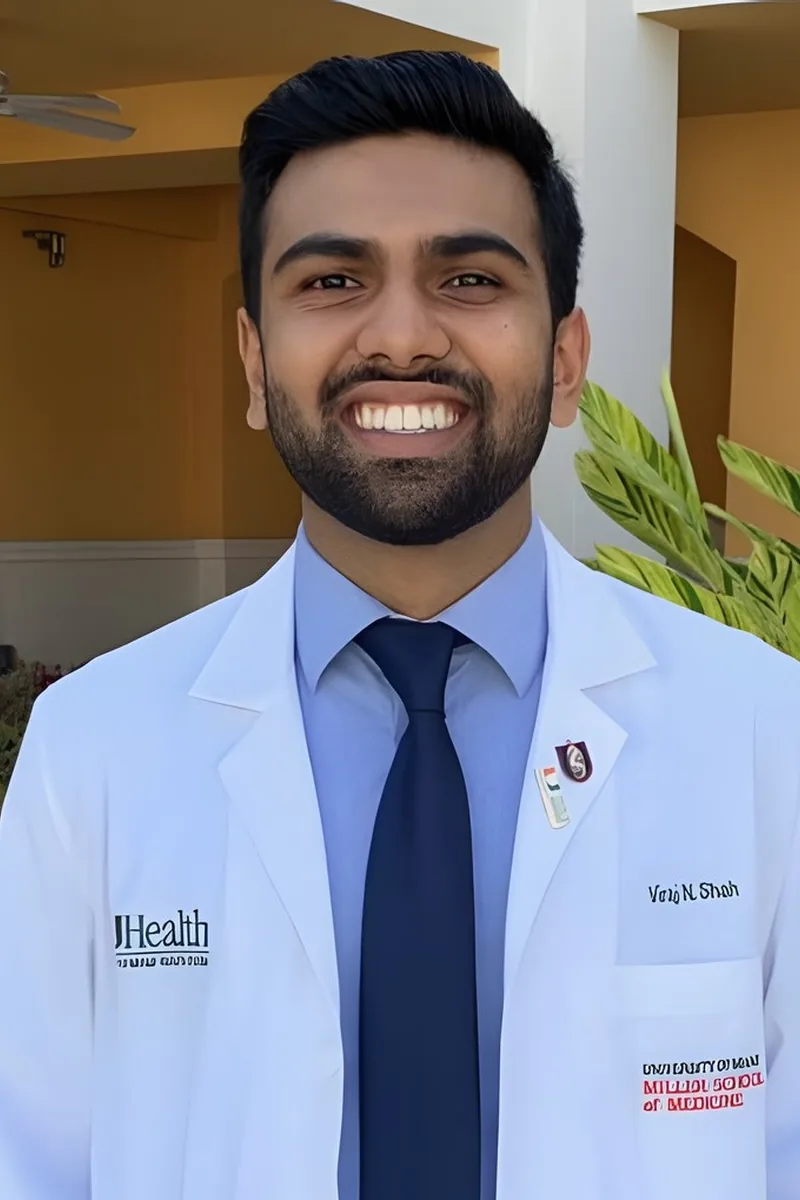
Six years of SAT prep at the Boys and Girls Club means Viraj has seen nearly every way a student can lose points — and built targeted strategies for each section to prevent it. His own 1560 composite came from the same systematic approach he teaches: breaking down Reading passages by argument structure, tackling Writing questions with grammar pattern recognition, and using back-solving techniques in Math to save time. He's currently a second-year medical student at the University of Miami, but standardized test strategy remains one of his longest-running specialties.
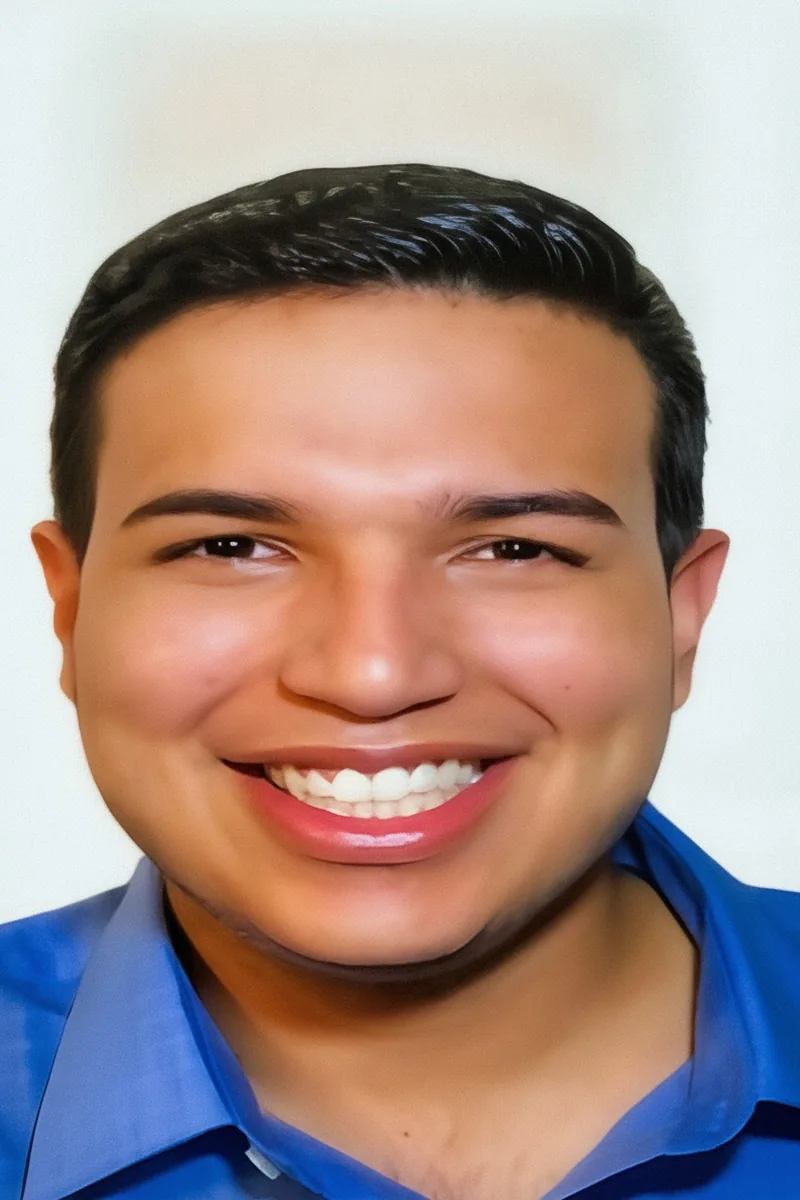
Harvard's CS and Applied Math curriculum trains exactly the kind of structured problem-solving that the SAT rewards — and Derek applies that mindset across both sections, from algebraic modeling and data analysis on the Math side to logical elimination on Evidence-Based Reading questions. He scored a 1550 and knows where high-scorers still leave points on the table, particularly on no-calculator algebra traps and command-of-evidence pairs. Rated 4.9 by students.
What separates a 1400 from a 1530 on the SAT often comes down to avoiding the traps you don't realize you're falling into — and Lance, who scored a 1530 himself, knows exactly where those traps sit in both the math and verbal sections. His triple-major background in mathematics, computer science, and chemistry means the quantitative reasoning side is automatic, freeing him to spend most of his prep time on the reading and writing strategies that push scores from good to great. Years of leading classes independently as a TA also trained him to explain concepts multiple ways until the right one clicks.
Princeton's engineering curriculum demands the same kind of precise, efficient problem-solving that separates a good SAT score from a great one — Nicolas scored a 1580 and knows exactly where those last points hide, particularly in the math section's multi-step word problems and data analysis questions. He also coaches the verbal side by teaching students to trace argument structure through dense passages, a skill his literature and essay work keeps sharp. Rated 5.0 by students.
Most SAT points are lost not to hard questions but to predictable traps — and Max teaches students to spot those traps by drilling the specific patterns that repeat across both the Math and Reading sections. His 1550 SAT score came from treating the test as a strategy game, and his history teaching background means he's especially sharp at coaching students through the evidence-based reading questions where argument structure matters more than speed. Rated 4.7 by students.
Scoring a 1550 on the SAT takes more than content knowledge — it takes knowing which wrong-answer traps the College Board loves to set and how to manage pacing across reading, writing, and math sections. Veena's science background sharpens her approach to the evidence-based reading questions, where she teaches students to treat passages like data and eliminate answers that aren't directly supported. Rated 5.0 by students, she brings the same precision to math strategy, especially on the no-calculator section where algebraic fluency matters most.
Computer engineering coursework at the University of Florida keeps Veronica sharp on the algebra, data analysis, and problem-solving that dominate the SAT Math section, and her 1500 SAT score shows she can execute under test-day pressure. On the verbal side, she draws on her strengths in literature and grammar to teach students how to spot rhetorical patterns and eliminate wrong answers efficiently across the Reading and Writing modules.
Civil engineering coursework at UF means Cavan lives in the kind of algebra, data analysis, and problem-solving that dominates SAT Math — he teaches students to translate word problems into equations quickly and avoid the calculation traps the College Board builds into no-calculator questions. His IB diploma background also sharpened the close-reading and evidence-evaluation skills that carry over to the Reading and Writing sections. Holds a 1500 SAT score and a 5.0 tutoring rating.
Biology majors don't always seem like natural SAT tutors, but Michelle's science training built exactly the kind of precise reading and data interpretation skills that the SAT rewards — parsing dense passages, pulling meaning from graphs, and working through multi-step math without shortcuts. She scored a 1510 and knows how to translate that analytical rigor into repeatable strategies for both the Reading and Math sections. Rated 4.9 by students.
Michelle's neuroscience studies at Duke trained her to read dense, argument-heavy passages quickly and extract key claims — exactly the skill that separates a good SAT Reading score from a great one. She scored a 1510 and knows the verbal side of the exam inside out, from evidence-based question pairs to the grammar and rhetoric traps in the Writing section. Her extensive work with college essays and IB Extended Essays also means she can teach the kind of precise, structured reading that transfers across every passage type on test day.
My tutoring sessions are interactive, patient, and highly personalized. I don't believe in a one-size-fits-all methodeach student learns differently, so I adapt my approach to match their individual pace, goals, and learning style. I focus on helping students truly understand the why behind each concept, not just memorize formulas or shortcuts. Together, we work step-by-step through problems, discussing reasoning, strategy, and underlying principles until everything clicks. My goal is to build lasting confidence and clarity. Whether a student is catching up, aiming to excel, or just trying to feel more comfortable with the material, I create a supportive environment where they can ask questions freely, think critically, and stay engaged. I also believe in strong communicationkeeping parents informed and helping students take ownership of their learning. Above all, I want my students to leave each session feeling capable, confident, and genuinely connected to what they're learning.
Most SAT prep treats math and verbal as two separate worlds, but Dalila's math degree and her experience teaching Spanish, literature, and essay writing mean she coaches both sides of the exam with equal depth — from algebraic problem-solving and data analysis to passage structure and grammar rules. She scored a 1520 on the SAT herself and uses that familiarity to pinpoint the specific question patterns where students consistently leave points on the table.
Scoring a 1520 on the SAT means Manuela knows how to perform across both the verbal and math sections at a high level — and she can pinpoint exactly where students lose points on each. Her background in Romance Languages sharpens the vocabulary-in-context and evidence-based reading strategies that trip up so many test-takers, while her pre-med coursework keeps her sharp on the quantitative side. Rated 5.0 by students.
Scoring a 1490 on the SAT while balancing a demanding math and pre-pharmacy track at the University of Florida, Gianfranco knows how to break down both the Math and Evidence-Based Reading sections with precision. He teaches specific tactics — like back-solving on algebra-heavy questions and identifying trap answers in command-of-evidence pairs — that turn familiarity with the test into consistent score gains. Rated 5.0 by students.
Test-taking itself is a learnable skill — and Jenna, who scored a 1560, treats the SAT as something students can systematically get better at once they stop conflating it with a pure measure of intelligence. She teaches the verbal sections through pattern recognition in passage structure and grammar rules, then applies the same methodical approach to the math side, where translating word problems into solvable setups is half the battle. Rated 5.0 by students, her approachable style makes it easy to ask the "I have no idea what's happening" questions that actually unlock progress.
Physics trained Payal to think in models and equations — exactly the mindset that unlocks the SAT Math section, where translating word problems into algebra quickly is half the battle. She scored a 1530 on the SAT and uses that experience to teach pacing and pattern recognition across both the math and verbal sections. Rated 5.0 by students.
Dylann scored a 1470 on the SAT and brings a dual English-and-math comfort that covers every section of the test — from dissecting evidence-based reading passages to tackling algebra and data analysis problems. Her psychology background also sharpens her approach to test-day strategy, including pacing, anxiety management, and knowing when to skip and circle back. Rated 5.0 by students.
Stephanie's neuroscience training built the kind of precise reading-under-pressure skills that pay off on SAT evidence-based questions — parsing dense passages for key claims is second nature when your coursework involves dissecting research papers. She scored a 1490 on the SAT herself and uses that experience to teach students how to manage pacing across both the verbal and math sections, particularly the algebra and data-analysis problems where careful setup prevents careless errors.
Scoring a 1480 on the SAT while balancing a rigorous pharmaceutical chemistry program, Madeline knows how to study strategically under pressure — and she teaches those same efficiency tactics to her students. She's particularly sharp on the math section's algebra and data analysis questions, where her science background makes translating word problems into equations second nature. Her approach to the reading and writing sections leans on breaking down passage structure and identifying evidence pairs quickly.
Having navigated both pre-med coursework and a political science major, Gaurav developed the kind of dual-track thinking the SAT rewards — switching between close reading of dense passages and algebraic problem-solving without losing focus. He scored a 1570 and knows which math traps cost students easy points and how to read the Writing section's grammar questions as logic puzzles rather than memorization exercises. Rated 4.9 by students.
Sofia scored a 1460 on the SAT and brings a science-trained mind to test strategy — she's especially sharp at breaking down the evidence-based reading questions that trip up students who rush past data tables and paired passages. Her approach to the math sections leans on identifying exactly which algebra and data analysis concepts the College Board recycles most frequently. Rated 5.0 by students.
A 1450 SAT scorer with a finance background, Samuel breaks the math section down into the specific problem types that trip students up most — rate problems, data interpretation, and systems of equations that look harder than they are. He also coaches students on the Evidence-Based Reading passages, teaching them to identify answer traps before they waste time second-guessing. Rated 4.8 by students.
Scoring a 1480 on the SAT gave Jairo firsthand insight into the pacing strategies and question patterns that separate good scores from great ones — particularly on the evidence-based reading passages where most students lose time. He breaks each section into a distinct skill set, from eliminating trap answers in Writing and Language to translating word problems into equations on the Math section. Rated 4.9 by students, he treats test prep as a subject worth mastering on its own, not just a box to check.
Tyler scored a 1470 on the SAT and breaks the exam down into repeatable strategies — identifying trap answers in Evidence-Based Reading, applying grammar rules systematically in Writing, and recognizing which math concepts the College Board recycles most often. His industrial engineering training at the University of Miami means he thinks in terms of efficiency: maximizing point gains per hour of prep. Rated 5.0 by students.
A 1400 SAT scorer and Duke pre-med student, Caitlin breaks the exam into manageable pieces — teaching students how to eliminate trap answers in Evidence-Based Reading and spot the grammar patterns that repeat across every Writing section. Her approach to the Math section zeroes in on the algebra and data analysis questions that make up the bulk of the scoring, so students know exactly where to focus their prep time. Rated 5.0 by students.
Scoring a 1460 on the SAT while simultaneously completing high school and an associate's degree at Miami Dade College, Marissa knows how to perform under pressure and manage test-day strategy. She breaks the exam into its moving parts — evidence-based reading passages, grammar and punctuation rules, and the algebra-heavy math section — so students build a concrete plan for each one. Rated 4.8 by students, she's now continuing at Carnegie Mellon.
I am a student of the University of Central Florida currently working on a PhD in Digital Media. As a tutor for Varsity Tutors, I have the unique ability to be able to combine two of my greatest passions--writing, and helping others. This is a combination of interests that I've been working with for a while now whether in High School tutoring children from my old elementary school, mentoring middles schoolers and high schoolers as part of Write Away, and tutoring college students on essay writing with Tutor.com. When it comes to tutoring, I specialize in reading and writing, though find my preference to be mostly in writing as it is a subject I am both strong in as well as take a personal interest in as an aspiring writer. Outside of writing stories, however, interests of mine including consuming media of all types such as books, movies, television shows, or video games, enjoying all so long as they have good stories to back them up.
Four years of math tutoring through the Tufts Literacy Corps taught Jiwen how to diagnose exactly where a student's reasoning breaks down — a skill that translates directly to SAT prep, where one conceptual gap in algebra or data analysis can cost dozens of points. She scored a 1470 on the SAT herself and is currently pursuing an Ed.M. at Harvard's Graduate School of Education, where she's deepening her understanding of how students actually learn under timed, high-stakes conditions. Her approach to the reading and writing sections mirrors her math training: break the question into parts, identify what's really being asked, and eliminate traps systematically.
Scoring a 1490 on the SAT while managing a full International Baccalaureate course load, Solange knows how to break down both the Reading and Math sections under real time pressure. She teaches specific strategies — like eliminating trap answers in evidence-based reading pairs and catching careless errors on no-calculator algebra — that turn near-misses into earned points. Rated 5.0 by students.
Perry's dual science degrees from Rice University built the exact quantitative reasoning and data interpretation skills that dominate the SAT Math section, while his medical humanities minor sharpened the close-reading habits needed for Evidence-Based Reading and Writing. He scored a 1570 on the SAT and knows which algebra shortcuts and passage-analysis techniques make the biggest difference under time pressure. Rated 5.0 by students.
Scoring a 1520 on the SAT takes more than content knowledge — it requires knowing when to slow down on tricky evidence-based reading questions and when to trust your instincts on the math no-calculator section. Vansh pairs that firsthand experience with an aerospace engineering background at Georgia Tech, which means the quantitative reasoning and data analysis portions are second nature to him. Rated 5.0 by students, he breaks each section into repeatable strategies that make test day feel predictable.
Chemical engineering coursework at Johns Hopkins means Joshitha lives in the kind of quantitative problem-solving the SAT Math section demands — from algebraic modeling to data interpretation under time pressure. But her 1580 composite also signals serious verbal chops: she teaches students to spot the structural logic behind evidence-based reading questions and grammar traps on the Writing section, not just guess by feel. Rated 5.0 by students.
What sets Michael apart for SAT prep is genuine fluency across both halves of the exam — his Fine Arts and Global Studies background built the close-reading and analytical writing skills that drive the verbal sections, while a 1590 SAT score confirms he's equally sharp on the math side. He teaches students to spot the recurring grammar traps in Writing & Language and to translate word problems into clean algebraic setups, connecting both skills into a unified test-day strategy.
A 1550 SAT scorer, Ari breaks the exam into learnable systems — from identifying trap answers in Evidence-Based Reading to recognizing the handful of grammar rules that account for most Writing section questions. His dual background in philosophy and economics at Columbia means he's equally sharp on the logical reasoning behind reading passages and the quantitative problem-solving the Math section demands. He also spent the past year tutoring English and math near campus, so he knows how to translate test strategy into language that actually sticks.
The Burnett Medical Scholars Program at UCF demands the same kind of disciplined, high-stakes test performance that Priya now teaches for the SAT — she scored a 1500 and knows how to turn content knowledge into points under time pressure. Her science-heavy coursework in biotechnology gives her a natural advantage on the math and data-interpretation questions, while her breadth across literature and essay editing means the Reading and Writing sections get equal attention. Rated 4.8 by students.
Most SAT prep treats math and verbal as two separate worlds, but Anthony's dual master's in math education and his philosophy training let him teach the whole exam as one connected reasoning exercise — algebraic problem-solving and evidence-based reading both come down to eliminating what doesn't follow logically. He scored a 1430 on the SAT himself and builds each session around the specific question types a student keeps missing, whether that's passport-to-advanced-math problems or command-of-evidence pairs. His state teaching certification means he knows how to structure a study plan that actually holds up under test-day pressure.
Penn's Critical Writing Department certified Jessica as a writing tutor before she'd finished freshman year — an unusual distinction that reflects how naturally she dissects argument structure, a skill that maps directly onto the SAT's Evidence-Based Reading and Writing sections. Her 1540 SAT score and medical school training add rigorous data interpretation chops for the math side, where she teaches students to translate word problems into solvable setups quickly. Rated 4.8 by students.
A 1590 SAT scorer, Siri knows the difference between understanding the test and understanding the content — and teaches both. She breaks down the reading section's evidence-pair questions and the math section's word-problem traps with repeatable strategies that turn guessing into confident elimination. Her biology-trained eye for detail carries over to catching the subtle grammar distinctions that separate a 700 from a 780 on the verbal side.
Studying computer science and studio art simultaneously means Parker's brain toggles between logical precision and creative problem-solving — exactly the mental flexibility the SAT demands when shifting from algebraic reasoning to evidence-based reading within the same sitting. He scored a perfect 1600 and uses that experience to teach students how to spot the structural patterns behind both math and verbal questions, turning unfamiliar prompts into recognizable frameworks. Rated 5.0 by students.
Studying both neuroscience and computer science at Duke trained Ankit to toggle between dense analytical reading and quantitative problem-solving — exactly the mental shift the SAT demands between its verbal and math sections. He scored a 1580 on the exam and uses that experience to teach students specific pacing tactics and pattern recognition for the question types that eat up the most time. Rated 4.8 by students.
Testimonials
Because the right SAT tutor makes all the difference.
Average Session Rating – Based on 3.4M Learner Ratings
Practice SAT
Free practice tests, flashcards, and AI tutoring for SAT
Nearby SAT Tutors
Other Miami Tutors
Related Test Prep Tutors in Miami
Frequently Asked Questions
University of Florida is highly competitive, with middle 50% SAT scores ranging from 1330-1470, while Florida State's middle 50% ranges from 1230-1370. To be competitive at UF, you'll want to aim for at least 1350+, which puts you in the top 10% nationally. For FSU, a score of 1250+ is more competitive. Keep in mind these are middle-range scores—stronger applications may get in with lower scores, and you'll want to check specific program requirements since engineering and business programs often have higher averages.
University of Miami's middle 50% SAT range is 1310-1460, making it one of Florida's most selective private universities. To be competitive, you should aim for at least 1350+. Since UM is highly selective with strong competition from across the country, a score in the upper range (1400+) significantly strengthens your application and may improve merit scholarship opportunities.
Florida's Bright Futures Scholarship program uses SAT scores (along with GPA and other factors) to determine eligibility and award levels. For the Florida Academic Scholars award, you typically need a minimum SAT score of 1330, while the Florida Medallion Scholars program has lower requirements. Since scholarship funding is competitive and tied to test scores, a higher SAT score can unlock better funding packages and make you eligible for more prestigious award levels.
Most students see meaningful improvements of 100-200 points with focused, personalized SAT prep—though the amount depends on your starting score and how much time you dedicate to practice. Students typically need 3-6 months of consistent prep to see significant gains, with 10-15 hours per week of study being a realistic target. The earlier you start, the more time you have to identify weak areas (like reading speed, math concepts, or test-taking strategy) and address them systematically.
Most Miami juniors benefit from starting SAT prep in the fall or winter of junior year, giving you time to take the test in spring or summer before senior year applications begin. This timeline lets you take the SAT once, see your score, and decide if you want to retake it—all before college application deadlines in fall. If you're already in spring of junior year, starting prep immediately still gives you several test dates to work with before senior year.
Both tests are widely accepted at Florida universities, though the SAT has become increasingly popular nationally. The best choice depends on your strengths: the SAT emphasizes evidence-based reading and reasoning, while the ACT tests faster pacing across more content areas. Many Miami students take a practice test in each format to see which plays to their strengths. Since most Florida colleges accept both equally, focus on the test where you're likely to score highest rather than trying to do both.
The Reading section is notoriously time-tight—65 minutes for 52 questions means you need a strategic approach. Many students struggle because they try to read every word carefully; instead, successful test-takers skim for main ideas, then return to the text for specific questions. Personalized tutoring can help you develop a reading strategy that matches your pace, practice with real SAT passages to build speed, and learn which question types let you find answers quickly versus those requiring deeper analysis.
SAT Math tests two distinct skill sets: the no-calculator section (25 minutes, 20 questions) focuses on algebra and problem-solving, while the calculator section (55 minutes, 38 questions) includes data analysis, graphs, and advanced math. Many students struggle with graph interpretation and multi-step problems. Working with a tutor on SAT-specific strategies—like identifying what the question is really asking before diving into calculations, practicing with real College Board materials, and building speed on easier problems—can unlock significant score gains on the math sections.
Let’s find your perfect tutor
Answer a few quick questions. We’ll recommend the right plan and match you with a top 5% tutor.