Award-Winning IB Further Mathematics
Tutors
IB Further Mathematics
Tutors
Private 1-on-1 tutoring, weekly live classes for academic support, test prep & enrichment, practice tests and diagnostics, and more to elevate grades and test scores.
Based on 3.4M Learner Ratings
UniversitiesSchools & Universities
DeliveredHours Delivered
ProficiencyGrowth in Proficiency
Who needs tutoring?
No obligation. Takes ~1 minute.
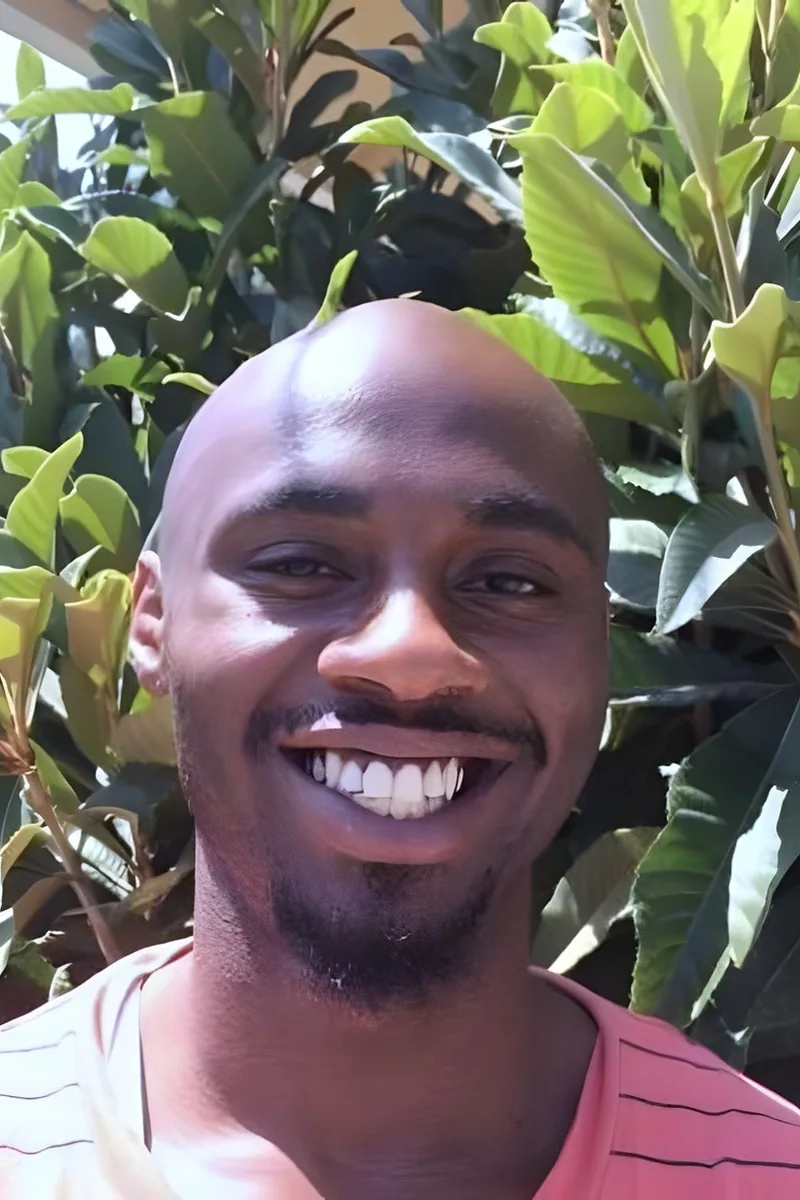
Caltech's undergraduate program in economics and computer science required Brian to work through discrete math, proof-based reasoning, and abstract structures — the same territory IB Further Mathematics covers with topics like graph theory and group theory. He pairs that formal training with competition math experience, so he can approach dense proofs from multiple angles and show students the intuition behind each step.
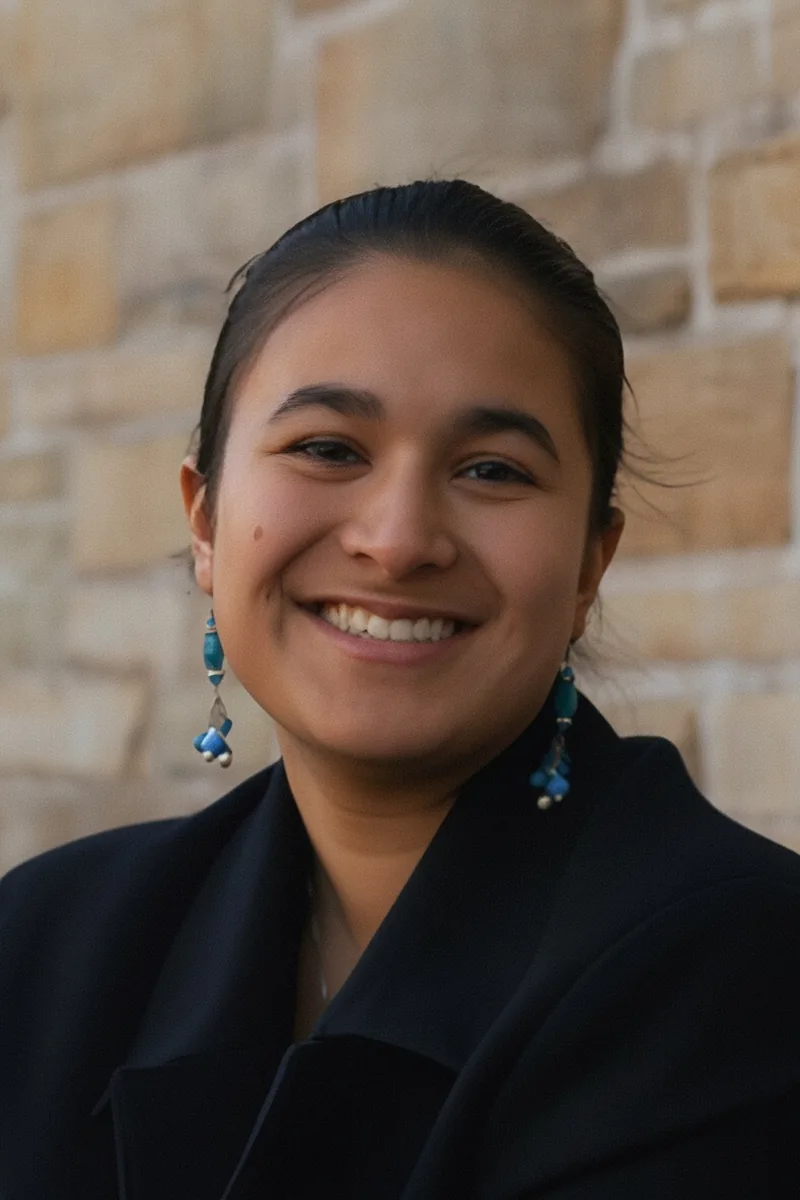
Pursuing a mathematics degree at Yale means Tessa is actively working through the proof-based, abstract coursework — linear algebra, discrete math, competition-level problem solving — that IB Further Mathematics pulls from. She breaks down topics like group structures and formal proofs by tracing the underlying logic step by step, drawing on the same reasoning she uses in her own classes daily. Her 36 ACT and 4.9 tutoring rating round out a profile built on genuine mathematical fluency.
Few tutors have the mathematical range IB Further Mathematics requires, from abstract algebra and set theory to advanced differential equations. Rithi's triple-bachelor and master's coursework covered quantitative methods across neuroscience, biotechnology, and competition math, giving her the cross-disciplinary depth to tackle topics like group theory proofs or eigenvalue problems with genuine fluency.
Jamie holds a mathematics degree alongside coursework in complex analysis, graph theory, and discrete math — a combination that covers much of the abstract, proof-driven territory IB Further Mathematics demands. That direct experience with topics like combinatorics and formal structures means Jamie can walk through dense proofs step by step, connecting each one to the underlying logic rather than treating them as isolated exercises.
A PhD in Chemical and Biomolecular Engineering plus an undergraduate degree in Nuclear Engineering means Sabry has spent years immersed in the kind of advanced mathematics — differential equations, linear algebra, discrete methods, and formal proof techniques — that IB Further Mathematics throws at students. He teaches the abstract structures and group theory concepts by connecting them to the physical and computational problems where he first learned to use them, turning dense notation into something students can reason through rather than memorize.
Honestly, IB Further Mathematics — with its group theory, graph theory, and proof-driven abstractions — goes beyond Emily's math tutoring range, which tops out around calculus and standardized test prep. Her International Relations studies at the University of Chicago haven't required the kind of abstract algebra and discrete structures this course demands, so students tackling this syllabus would benefit from a tutor with direct experience in higher-level pure math.
Electrical engineering at The Chinese University of Hong Kong plus financial engineering at USC means Yuanxin has worked through discrete math, linear algebra, and formal proof techniques — areas that overlap significantly with IB Further Mathematics topics like graph theory and combinatorics. His certified math teacher background and competition math experience add structured problem-solving skills that translate well to the course's abstract, proof-driven demands. Rated 4.9 by students.
Industrial engineering and statistics at the University of Florida exposed Juan to discrete math, linear algebra, and optimization — areas that overlap with parts of the IB Further Mathematics syllabus, though the course's heavier emphasis on group theory and formal proof techniques stretches beyond his primary training. His strength lies in the applied and computational side, so students working through graph theory or combinatorics problems will find his engineering perspective particularly useful.
Few tutors have the depth to cover IB Further Mathematics topics like group theory, graph theory, and advanced differential equations with genuine confidence. Ellyn earned a PhD in mechanical engineering and teaches college-level math, so the proof techniques and abstract structures in this course sit squarely in her daily work.
Few tutors have the mathematical depth IB Further Mathematics requires, but Wesley's background spans two engineering degrees and graduate-level research in biophysical chemistry. He digs into the course's toughest areas — group theory, graph theory, and advanced differential equations — and connects them to the applied problems that make abstract structures meaningful.
I am currently a graduate student in Chemical Engineering at the University of Delaware. I am working on using magnetic and flow fields to create advanced materials by directing the self-assembly process of nanoparticles . I have tutored students in Chemistry, Physics and Math all throughout undergraduate and graduate work. I truly enjoy breaking material down into its core components that allows the students to understand complicated information.
Few tutors have the depth for IB Further Mathematics, where topics like group theory, graph theory, and advanced differential equations push well beyond the standard curriculum. Timothy's doctorate and ongoing university-level teaching mean these aren't subjects he's reviewing from old notes — they're part of his working mathematical vocabulary.
Emily's background is in political science and photography rather than advanced mathematics, so IB Further Mathematics — with its group theory, graph theory, and formal proof work — falls outside her core expertise. Her math tutoring experience centers on subjects through calculus and standardized test prep, which may provide useful foundational support but doesn't map directly onto this course's abstract, proof-heavy syllabus.
Terry's training is in criminal justice and fine arts rather than advanced mathematics, so the proof-heavy, abstract territory of IB Further Mathematics — group theory, graph theory, formal logic — sits well outside his core expertise. His math tutoring experience covers subjects through calculus and standardized test prep, which can reinforce foundational skills but won't map directly onto this course's demanding theoretical syllabus.
Few tutors have the mathematical depth that IB Further Mathematics demands, covering topics like group theory, graph theory, and advanced differential equations in a single course. Matthew's mechanical and robotics engineering coursework at WPI exposed him to the applied side of these concepts, so he can explain abstract ideas like eigenvalues or series convergence with concrete engineering examples. He insists on perfecting core proofs and definitions before tackling exam-level problems.
Chemical engineering at Arizona State has taken Abby through differential equations, linear algebra, and discrete methods, giving her a solid applied-math foundation — though IB Further Mathematics pushes into deeper abstract territory like group theory and formal proof techniques that stretches beyond typical engineering training. Her math minor adds broader exposure to theoretical concepts, and her systematic, step-by-step engineering mindset translates well to parsing dense notation and working through combinatorics or graph theory problems. Rated 5.0 by students.
I am not someone who is satisfied when a student memorizes steps to solve a problem. I always want the student to understand what he/she is doing and why they are doing. This insight will make them a stronger, faster and better student, particularly in the field of mathematics. This brings the student long term results that could extend far beyond the work done in the tutoring sessions. Mathematics is my love and economics is my passion and because of this I bring incredible enthusiasm for the subject to my work. I bring the beauty of mathematics into my explanations, through theoretical and visual interpretations. In my spare time I like to paint and run.
Studying mathematics at NYU means Nikhil is actively working through the kind of abstract reasoning and proof techniques that IB Further Mathematics demands — discrete structures, combinatorics, and the formal logic underpinning topics like graph theory. His 4.8 rating suggests he's effective at translating that university-level rigor into clear explanations for students encountering these concepts for the first time.
I am a current student at the University of Florida pursuing an Accounting degree and Entrepreneurship minor. Math has always been my passion, and I hope to show fellow students the fun in it!
Christopher's Finance degree at Ohio State covers quantitative coursework but doesn't extend into the abstract algebra, group theory, and formal proof techniques that define IB Further Mathematics — this course sits well outside his primary training. His math tutoring experience through calculus and IB-level courses can reinforce foundational skills, but students tackling this syllabus's proof-heavy, discrete-structures content would likely benefit from a tutor with direct experience in higher-level pure mathematics.
William's history degree from NYU doesn't include the abstract algebra, graph theory, or formal proof techniques that define IB Further Mathematics, placing this course well outside his mathematical training. His math tutoring covers subjects through pre-calculus and standardized test prep, which can shore up foundational skills but won't address the theoretical depth this syllabus requires.
Few tutors have the background to handle IB Further Mathematics, which dives into topics like group theory, graph theory, and advanced differential equations that most undergrads don't encounter until junior year. Miral's coursework in Financial Mathematics at Michigan covers much of this same territory, giving her firsthand knowledge of the abstract structures and proof techniques the course requires.
Ritu's Biology degree means she's comfortable with abstract reasoning and data analysis, but IB Further Mathematics — with its group theory, formal proofs, and advanced discrete structures — sits outside her primary training. Her math tutoring reaches through calculus and includes abstract algebra, which provides some overlap with the course's theoretical demands, though students deep into proof-heavy topics may need additional specialist support.
I am listening to and learning about him or her as an individual. I can also discover what motivates the student during this conversation and plan for how to frame future tutoring sessions in terms of what the student already knows and enjoys.
I am a student at the Georgia Institute of Technology studying Chemical Engineering. For the past several years, I have worked with students extensively. Through hosting events for younger kids to learn about STEM and for older teens to practice empathetic design, I know the importance of teaching students in ways that engage them rather than frustrate them, which I apply to my teaching. I have tutored high school students in a drop-in resource center in various subjects including math of all levels, chemistry, and English, making me adequately equipped in a variety of topics. I have also tutored several students long-term. Establishing relationships with students and exploring their unique learning styles is my favorite part of tutoring. I prioritize helping students discover HOW to learn in a manner that is the most effective for them, so they can begin to use those skills on their own throughout their education. Learning is a lifelong skill that requires practice for improvement; I strive to help my students gain confidence in their ability to learn.
Few tutors have the depth to cover IB Further Mathematics topics like group theory, graph theory, and advanced differential equations. Payal's physics background required fluency in exactly this kind of higher-level abstraction, and she breaks down even the most notation-heavy proofs into steps that feel manageable.
As a current mathematics undergraduate who also tutors competition math and calculus, Linzi has exposure to proof techniques and abstract reasoning, though IB Further Mathematics — with its group theory, graph theory, and advanced discrete structures — may stretch beyond what she's covered so far in her degree. Her 5.0 client rating and strong problem-solving instincts mean she can work through challenging material methodically, but students deep into the course's most abstract topics should confirm her familiarity with specific syllabus areas.
Few tutors have the background to cover IB Further Mathematics topics like group theory, graph theory, and advanced discrete structures with real confidence. Lillian's coursework in algebra, number theory, and topology at Barnard College of Columbia University maps directly onto this syllabus, and she walks students through abstract proofs by grounding each one in concrete examples first.
Computer engineering coursework at UCF exposes Andrew to discrete math, logic, and algorithmic structures — areas that partially overlap with IB Further Mathematics topics like combinatorics and graph theory, though the course's heavier emphasis on group theory and abstract proof techniques stretches beyond typical engineering training. His strength is on the computational and applied side, so students tackling discrete structures or formal logic problems will get the most from his perspective.
Computational mathematics as a field of study puts Joseph squarely in the overlap between abstract reasoning and algorithmic problem-solving — useful territory for IB Further Mathematics topics like combinatorics and discrete structures, though the course's deeper dives into group theory and formal proof techniques may stretch beyond his current undergraduate training. His 33 ACT and 5.0 tutoring rating suggest strong analytical instincts, and he can likely guide students through the more computationally oriented portions of the syllabus with confidence.
Samantha's PhD in Computer Science means she's spent years working through discrete math, formal proof techniques, and algorithmic structures — the same abstract reasoning IB Further Mathematics demands when students hit topics like graph theory and combinatorics. She also teaches bioinformatics and data analysis, fields that rely on the kind of rigorous logical thinking needed to unpack group theory notation and construct proofs from scratch. Rated 5.0 by students.
Biomedical Sciences at the University of South Florida has given Milan exposure to calculus, statistics, and applied math, but IB Further Mathematics — with its group theory, abstract algebra, and proof-driven discrete structures — ventures into territory that goes well beyond a typical pre-med curriculum. His minors in Astronomy and business law add quantitative and analytical reasoning skills, though students deep into this course's most abstract material would likely benefit from a tutor with dedicated pure math training at the upper-undergraduate or graduate level.
I am a graduate student who will start their PhD from University of Maryland in Applied Mathematics this fall. I completed my MSc in Applied Mathematics from the Swiss Federal Institute of Technology Zurich in Switzerland. I did my Bachelor in Science, majoring in Mathematics, from Lahore University of Management Science in Pakistan.
Testimonials
Because the right IB Further Mathematics tutor makes all the difference.
Average Session Rating – Based on 3.4M Learner Ratings
Top 20 Math Subjects


Top 20 Subjects
Frequently Asked Questions
IB Further Mathematics students most commonly struggle with linear algebra (eigenvalues, eigenvectors, and matrix transformations), complex numbers in advanced contexts, and proof-based topics like mathematical induction. Many students also find the transition from computational fluency to conceptual understanding difficult—especially in topics like vector spaces and abstract algebra. Additionally, the integration of calculus with other topics, such as differential equations and their applications, requires seeing connections that don't always feel intuitive at first.
A tutor can teach you to recognize proof structures (direct proof, proof by contradiction, mathematical induction) and match them to specific problem types rather than treating each proof as a unique puzzle. They'll help you understand why certain steps are necessary—not just how to write them—and show you how to organize your reasoning so examiners can follow your logic clearly. Working through proofs together also reveals common pitfalls, like incomplete case analysis or unstated assumptions, that you can learn to catch before submitting work.
A tutor bridges abstract concepts to concrete examples—for instance, explaining eigenvectors through real-world transformations or using geometric interpretations to clarify why certain matrix properties matter. They can also help you build a mental toolkit of visualizations and analogies specific to linear algebra and abstract algebra topics, making these ideas feel less disconnected from what you already understand. Regular practice with scaffolded problems helps abstract concepts become familiar before moving to more complex applications.
A tutor teaches you to break complex problems into recognizable sub-problems and identify which techniques apply to each part—a skill that separates students who score well on exams from those who get stuck. They'll show you how to check intermediate results, choose efficient solution paths, and recognize when a problem is testing your ability to connect ideas from different units (like using linear algebra to solve systems in differential equations). Building a habit of planning your approach before diving into calculations prevents wasted effort and careless errors.
Exam preparation focuses on time management under pressure, recognizing problem patterns quickly, and knowing which techniques to apply without hesitation. A tutor will have you practice full past papers under timed conditions, analyze where you lose marks (conceptual misunderstanding vs. careless mistakes vs. incomplete reasoning), and build speed on routine calculations so you have mental energy for harder problems. They'll also help you understand the IB's marking criteria and how to present solutions in ways that earn full credit, not just partial credit.
Look for a tutor with strong background in university-level mathematics (linear algebra, abstract algebra, or advanced calculus) since IB Further Mathematics covers rigorous, proof-based content. Experience with the IB curriculum specifically—including familiarity with the syllabus, assessment structure, and common student misconceptions—is valuable. They should also demonstrate the ability to explain abstract concepts clearly and help you see connections between topics, not just solve problems mechanically.
A tutor breaks the course into manageable pieces, celebrating progress on individual topics before tackling integration across units. They help you distinguish between genuine gaps in understanding and the natural discomfort of encountering unfamiliar abstract ideas—a key difference that reduces anxiety. By working through problems together and seeing patterns emerge, you build evidence that these concepts are learnable, which transforms "this is impossible" into "this takes practice."
IB Further Mathematics examiners expect precise notation and logical rigor because they're assessing your understanding of abstract mathematics, not just calculation skills. Sloppy notation often masks gaps in understanding—for example, confusing a matrix with its determinant or being imprecise about domain and codomain in function definitions. A tutor trains you to use notation deliberately and consistently, which both clarifies your thinking and ensures you communicate your reasoning in ways that earn full marks on exams.
Let’s find your perfect tutor
Answer a few quick questions. We’ll recommend the right plan and match you with a top 5% tutor.