Award-Winning IB Computer Science
Tutors
IB Computer Science
Tutors
Private 1-on-1 tutoring, weekly live classes for academic support, test prep & enrichment, practice tests and diagnostics, and more to elevate grades and test scores.
Based on 3.4M Learner Ratings
UniversitiesSchools & Universities
DeliveredHours Delivered
ProficiencyGrowth in Proficiency
Who needs tutoring?
No obligation. Takes ~1 minute.
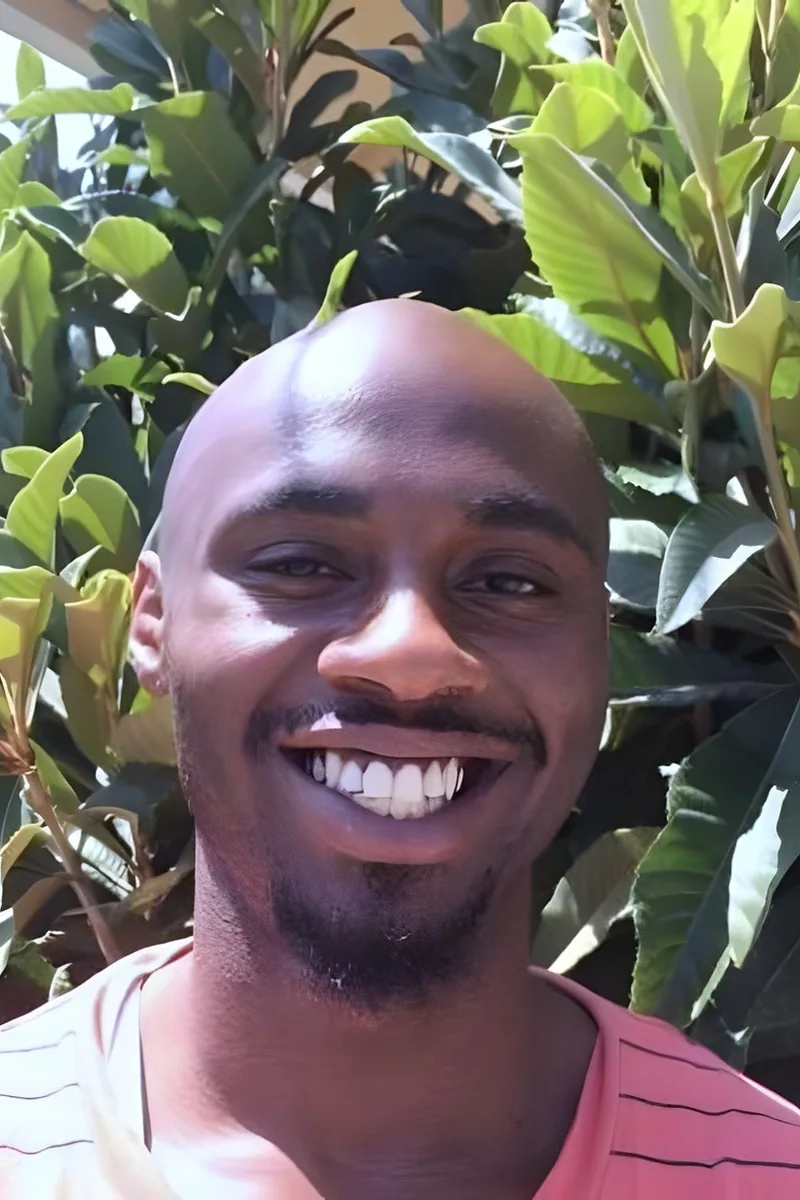
Caltech's CS curriculum is notoriously rigorous on the theoretical side — algorithm design, computational complexity, and formal logic — which maps directly onto the kind of reasoning IB Computer Science demands on Paper 1. Brian pairs that foundation with an economics background that sharpens his ability to teach system modeling and decision-logic concepts, giving students a dual lens for tackling both the analytical exam questions and the IA's design and documentation requirements.
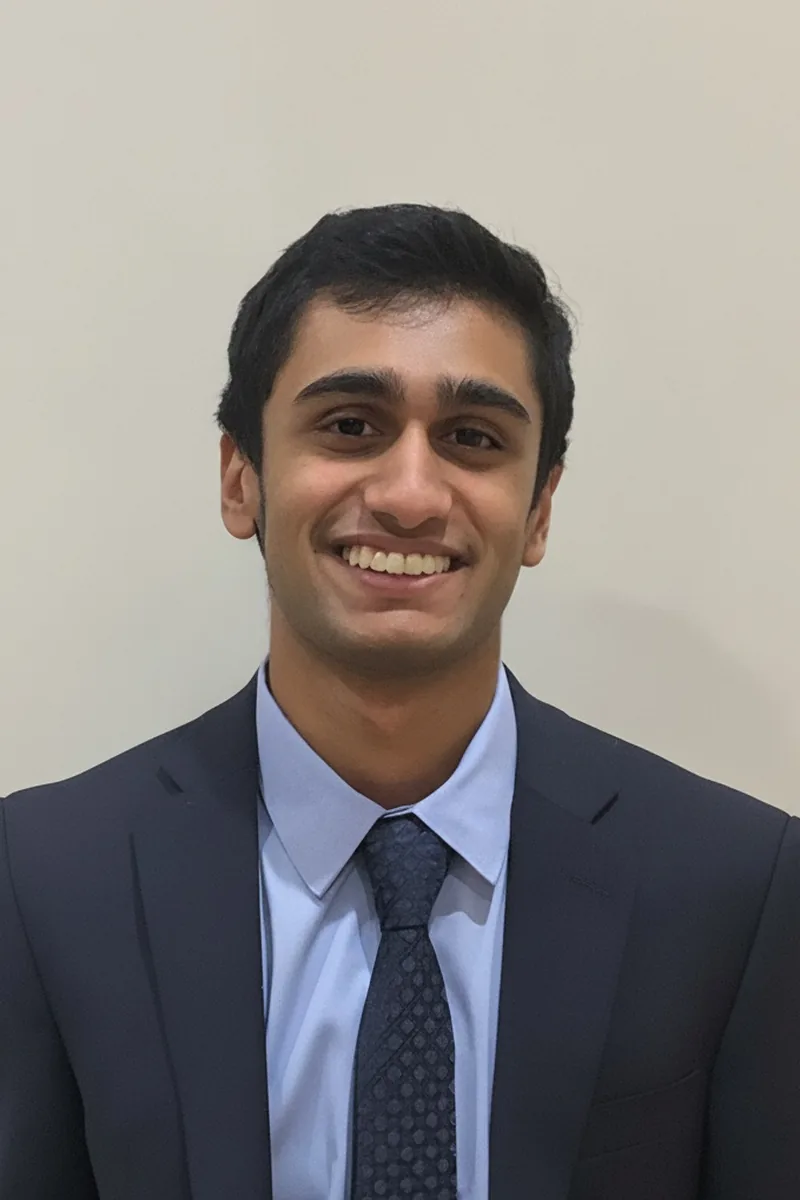
Studying computer science at Yale, Ronit is close enough to the IB-level material to remember exactly where the conceptual gaps hit — particularly around pseudocode tracing and the jump from writing actual code to answering Paper 1's theory questions on paper. His 5.0 rating and strong CS foundation mean he can bridge that gap, walking through algorithm logic and data structure concepts in a way that's concrete rather than abstract.
Stanford's Biocomputation program sits at the intersection of CS theory and applied problem-solving — exactly the kind of thinking IB Computer Science rewards on Paper 1's algorithm tracing and pseudocode questions. Kevin's daily work in Python and C++ for AI and systems coursework means he can connect abstract syllabus concepts like recursion, data structures, and Big-O analysis to real implementations students actually understand. Rated 5.0 by students.
Coming out of Thomas Jefferson High School for Science and Technology — one of the most rigorous STEM programs in the country — Rhamy arrived at Vanderbilt's Computer Engineering program with the kind of computational thinking that IB CS Paper 1 specifically tests: pseudocode tracing, algorithm logic, and translating abstract structures into working solutions. His fluency in C++, Java, and JavaScript means he can meet students in whatever language their IA project demands and connect it back to the theory. Rated 5.0 by students.
Anna's neuroscience background — which required heavy programming in Java, Python, and MATLAB for data analysis — means she's written real code under pressure, not just studied it from a textbook. That practical experience pairs well with IB Computer Science's mix of pseudocode tracing on Paper 1 and the IA's demand for working implementations with proper documentation. Rated 5.0 by students.
Having TA'd Electricity and Magnetism, Intro to Databases, and Computer Network Architecture at Duke, Florence knows how to explain layered technical concepts — exactly the skill IB Computer Science rewards when students face Paper 1 questions on networking, system fundamentals, and resource management. Her CS degree and hands-on software development experience at IBM give her the depth to connect pseudocode tracing and abstract data structures to real code, which is especially useful when students are building out their IA projects. Rated 5.0 by students.
Postdoctoral machine learning research at Princeton means Firas works daily with the kind of algorithmic thinking and data structure design that IB Computer Science tests on Paper 1 — but at a scale and complexity far beyond the syllabus. That depth lets him trace pseudocode logic backward from why an algorithm works, not just how to follow it step by step, which is particularly useful for students struggling with the jump from coding in Java or Python to reasoning about abstract computational problems on paper.
Ryan studies CS at Cornell, where coursework in data structures, discrete math, and Java gives him direct overlap with the IB Computer Science syllabus — particularly the algorithm and data structure questions that dominate Paper 1. His experience across Python and Java also means he can support IA projects in multiple languages while connecting pseudocode logic back to actual implementations students have written themselves.
Having scored a 5 on AP Computer Science A and built projects across Java, Python, and JavaScript, Joshua brings both exam-tested knowledge and real coding fluency to the IB CS syllabus — from algorithm tracing and abstract data structures on Paper 1 to the internal assessment's full development cycle. He's especially sharp on the object-oriented programming concepts that overlap between AP and IB curricula, making him a natural fit for students who need to connect pseudocode logic to working implementations.
Between a master's in computer science, professional software development work, and fluency in Java, C++, Python, JavaScript, and PHP, Daniel has built and debugged enough real systems to make IB Computer Science's pseudocode feel intuitive rather than alien. His applied mathematics background also strengthens the algorithmic thinking and Big-O analysis that Paper 1 leans on heavily. Rated 5.0 by students.
Triple-majoring in math, computer science, and chemistry meant Lance spent undergrad bouncing between proof-based theory and actual implementation in languages like Java, C, and C# — exactly the dual fluency IB Computer Science demands when students shift between pseudocode reasoning on Paper 1 and building a working IA project. His TA experience across over a dozen courses means he's already diagnosed the spots where students get stuck, particularly around abstract data structures and algorithm tracing on paper versus writing real code.
John's CS degree and professional coding experience in Java and C++ give him direct fluency with the object-oriented concepts and algorithm logic that IB Computer Science tests on Paper 1 — but it's his MBA in Finance that adds an unusual edge, since he can ground abstract topics like system modeling and resource management in concrete business applications students actually find interesting. His 4.8 rating and broad teaching range across SQL, programming, and economics suggest he's comfortable connecting the dots between the IA's technical implementation and its real-world justification.
As a CS major at Duke who also teaches across German, essay writing, and music tutoring, Susie has an unusual knack for translating technical ideas into language that actually lands — a skill that matters when IB Computer Science asks students to reason through pseudocode on paper instead of just running code until it works. Her Java coursework and data structures experience give her direct overlap with the syllabus, and she's especially effective at breaking down the IA's documentation requirements, where clear written communication is just as important as the code itself.
I am a recent graduate with a master's in electrical engineering from Case Western Reserve University. I won the Bill and Melinda Gates Millennium Scholarship which covers full tuition up to Ph.D. I was on the Dean's List for three consecutive years. Additionally, I won the OZY Media Genius Award in 2015 to work on high-temperature superconductors. I currently work as a Technology Analyst at Accenture. I am also seriously considering whether I should go for a Ph.D. or not.
A PhD candidate researching computer science, Dibyendu has deep fluency in algorithms, data structures, and computational thinking — the exact concepts IB Computer Science tests through pseudocode tracing and Paper 1's theoretical questions. He also teaches compilers and operating systems, which means topics like resource management and system fundamentals that many IB tutors skim over are areas he can unpack in genuine detail.
A PhD in Mathematics and Computer Science means Irene has lived on both sides of the IB CS syllabus — the formal logic and algorithm analysis that dominate Paper 1, and the computational thinking required to design and justify an IA project. Her discrete math and graph theory expertise is especially relevant for the data structures and algorithm efficiency questions where students often lose marks by memorizing steps without understanding the underlying reasoning. Rated 4.9 by students.
Friends at UChicago regularly come to Jack for help debugging Python and working through tricky CS problem sets — that informal teaching experience translates well to IB Computer Science, where students need someone who can explain pseudocode logic and data structures conversationally, not just academically. His CS major and math minor at Chicago mean he's comfortable with both the programming side and the computational thinking and algorithm analysis that dominate Paper 1. Rated 5.0 by students.
MIT's architecture program required Alicia to code real systems — she built computational design tools in Java and Python while minoring in Computer Science, which means IB CS topics like object-oriented programming and algorithm design aren't abstract concepts but things she's actually implemented under pressure. Her materials science minor adds an unusual edge for the systems fundamentals portion of Paper 1, since she's modeled resource management problems that most CS-only tutors only discuss theoretically. Rated 5.0 by students.
Rishik codes in Java, C++, Python, SQL, and HTML — a breadth that's especially handy for IB Computer Science students choosing a language for their IA project and needing someone who can actually debug alongside them. His CS degree also means the more abstract Paper 1 material, like algorithm efficiency and object-oriented design principles, comes from genuine understanding rather than memorized definitions.
Building web applications with PostgreSQL and SQL while studying computer science gives Michael a hands-on perspective on databases and system fundamentals — two areas that show up on the IB CS syllabus but often feel abstract without real-world context. He also codes in Java, C++, JavaScript, and C#, which means he can support IA projects in whatever language a student chooses and connect pseudocode logic back to working implementations.
The IB Computer Science curriculum covers everything from binary representation to algorithm design to the internal assessment project, and the exam expects students to trace through pseudocode under time pressure. Sasha's engineering training makes her particularly effective at teaching the systems-level thinking IB requires — how abstract data structures translate into real computational processes. Rated 4.9 by students.
Engineering programs demand computational problem-solving — Wesley's biomedical engineering degree required working through algorithm design, data modeling, and systems-level thinking that maps onto IB Computer Science's Paper 1 topics like system fundamentals and resource management. His quantitative research background in biophysical chemistry also means he's comfortable translating between pseudocode logic and real implementation, which is exactly the skill the IA project tests.
Robotics engineering at WPI means Matthew writes code that has to actually control physical systems — sensors, actuators, feedback loops — which gives him a concrete angle on IB Computer Science topics like system fundamentals and resource management that can otherwise feel purely theoretical. His mechanical engineering background also strengthens the computational thinking and logic design that Paper 1 demands, especially when students need to trace through algorithms and reason about how systems interact. Rated 5.0 by students.
The IB Computer Science IA trips up a lot of students not on the coding itself but on the criterion-by-criterion documentation — success criteria, test plans, extensibility discussions. Omar's CS degree at UT Austin means the programming fundamentals are second nature, freeing him to spend session time on the planning and write-up skills that actually determine IA scores. He also covers Paper 1's pseudocode and algorithm tracing, grounding abstract logic in the real code students are already writing.
Having studied computer science at the university level, Miguel brings real software engineering knowledge to IB Computer Science topics like abstract data structures, algorithm design, and object-oriented programming. He also tackles the trickier conceptual portions of the curriculum — system fundamentals, networking, and the HL extension topics — with clear, concrete examples that translate theory into understanding.
Rahul codes in C++, Python, and SQL as part of his computer science degree at Michigan, which means the programming concepts IB CS treats as theory — loops, conditionals, data structures — are things he actually builds with daily. That practical fluency is especially useful for the internal assessment, where students need to move from pseudocode planning to a working program with clean documentation.
Teaching assistant stints in C Programming, Digital Systems Design, and iOS development at Purdue gave Akio a front-row seat to where students get stuck translating working code into the kind of on-paper pseudocode reasoning IB Computer Science demands on Paper 1. His CS degree and fluency in Java, Python, and JavaScript also mean he can support IA projects from initial design through documentation, connecting each implementation choice back to the syllabus concepts being assessed.
Most IB Computer Science students can write working Java code but freeze when they have to trace through pseudocode on paper or explain algorithm logic in plain English — Nishika's dual background in CS and business at Michigan means she's practiced translating between technical implementation and clear written communication, which is exactly what Paper 1 and the IA documentation demand. Her Java experience and 35 ACT score reflect the kind of structured, analytical thinking that keeps pseudocode tracing and system fundamentals from feeling like guesswork.
Between a Stanford economics degree and a full stack web development certificate from UT Austin, Tolu has built fluency across JavaScript, Python, SQL, and CSS — languages that map directly onto the practical coding students need for their IB Computer Science IA projects. His Socratic approach is particularly effective for Paper 1's pseudocode and algorithm tracing questions, where he pushes students to articulate *why* a loop terminates or a conditional branches rather than just following steps mechanically.
I'm a professional software engineer at a top tech company in New York City. I have a strong passion for software development, most notably in the areas of full-stack web development, iOS development, Artificial intelligence, large scale distributed systems, and micro services.
As a CS undergrad who's tutored math up through Calculus 2 and test prep extensively, Jake brings the kind of structured problem-solving to IB Computer Science that makes algorithm tracing and pseudocode logic click rather than feel like abstract busywork. He's especially useful for students who need to bridge the gap between writing actual code and answering the theory-heavy Paper 1 questions on topics like Boolean logic and system fundamentals. Rated 4.8 by students.
Most IB Computer Science students can write working code in Java or C++ but freeze when Paper 1 asks them to trace pseudocode or reason about algorithms on paper — Shlomo teaches both languages and knows exactly where that disconnect happens. His math tutoring background also sharpens how he explains computational thinking concepts like sorting efficiency and logical operations, since he's used to breaking abstract processes into concrete, followable steps.
Multiple summers interning as a programmer mean Bennet has written and debugged real code in Java, C++, Python, and C# — so when IB Computer Science asks students to trace pseudocode or reason about abstract data structures on Paper 1, he can ground those concepts in how they actually behave in working software. He's also close to the material as a current CS undergrad, which makes him especially effective at helping students structure their IA projects from initial planning through final documentation. Rated 5.0 by students.
Between Paper 1's conceptual questions on system design, networking, and computational thinking, and the internal assessment's full development cycle, IB Computer Science demands both theoretical depth and real coding ability. Sebastian's ongoing CS studies at UCF keep him fluent in the programming and algorithm analysis that IB examiners test, while his experience across SL and HL topics means he knows where the syllabus diverges from standard intro courses. He unpacks topics like abstract data structures and resource management in terms that actually stick.
The IA project is where most IB Computer Science students feel the pressure — balancing real code with the structured documentation and design justification the rubric demands. Dennis has taught CS across multiple levels and languages including Java and JavaScript, so he can walk students through both the programming logic and the written components that examiners actually grade on. Rated 5.0 by students.
Two years as a Java teaching assistant at Illinois Institute of Technology means Muntaser has seen exactly where students get stuck translating working code into the pseudocode reasoning IB Computer Science demands on Paper 1 — and he's debugged those misunderstandings dozens of times over. His computer engineering degree also covered the hardware and systems-level concepts that underpin the syllabus's system fundamentals and resource management topics, giving him a concrete frame of reference most pure CS tutors lack.
Currently pursuing a CS degree with hands-on experience in C++ and Python, Sarah can connect IB Computer Science's pseudocode exercises directly to the real programming languages students use in their IA projects. She also works as an IT technician, which grounds syllabus topics like system fundamentals and resource management in practical troubleshooting rather than pure theory.
Hi! I am a l graduate of the University of Virginia! I have years of experience tutoring students in Math, English, and Science. I additionally can help prepare students with SAT and ACT Prep. I am eager to work with all type of students utilizing different study strategies. Let me know how I can help!
I'm patient, personable, and have an incredible gift for explaining things in a way that makes sense. I majored in Math Education (with a minor in Computer Science), and I have more than eight years of experience teaching math and other STEM subjects.
Studying computer science in Michigan's College of Engineering, Zain writes real code daily — but he also remembers the awkward transition from typing Python to reasoning through pseudocode on paper, which is exactly the shift IB Computer Science demands on Paper 1. His coursework in discrete math and physics gives him a structured way of thinking about algorithm logic and computational problem-solving that carries over to both exam prep and IA project planning.
Testimonials
Because the right IB Computer Science tutor makes all the difference.
Average Session Rating – Based on 3.4M Learner Ratings
Top 20 Technology and Coding Subjects


Top 20 Subjects
Frequently Asked Questions
Students typically find object-oriented programming (OOP) principles—particularly inheritance, polymorphism, and encapsulation—challenging to apply in practice. The transition from understanding syntax to designing robust algorithms and data structures (arrays, linked lists, trees) trips up many learners. Additionally, the Internal Assessment (IA) project often becomes a sticking point because students must balance algorithmic complexity with practical implementation, and many struggle with documenting their design decisions and justifying their code choices in the written report.
Expert tutors guide you through systematic debugging techniques—like using print statements strategically, understanding stack traces, and isolating code sections to identify root causes—rather than just fixing errors for you. They teach you to think algorithmically by walking through code execution step-by-step, which builds the logical reasoning skills IB Computer Science demands. This hands-on code review process helps you recognize patterns in your mistakes and develop problem-solving intuition you'll apply to unfamiliar challenges on exams.
Tutors help you scope a project that's ambitious enough to demonstrate algorithmic thinking but manageable within your timeline—a common pitfall is choosing ideas that are either too simple or unrealistically complex. They guide you through the design phase, helping you document your approach, justify your data structure choices, and implement features incrementally. They also review your code for efficiency and clarity, and help you articulate the problem-solving decisions in your written report, which directly impacts your IA grade.
Syntax is the grammar of a programming language—knowing that a loop uses 'for' or 'while'—but algorithmic thinking is understanding *when* and *why* to use a loop, and how to design it to solve a specific problem efficiently. IB Computer Science emphasizes algorithmic thinking because the exam tests your ability to design solutions and trace code logic, not memorize syntax. Tutors help you move beyond syntax by having you design pseudocode first, trace algorithms by hand, and analyze time complexity—skills that transfer across languages and prepare you for the practical reasoning the IB demands.
Data structures like stacks, queues, trees, and graphs are abstract—it's hard to visualize how they work and when to choose one over another. Tutors make these concrete by having you implement them from scratch, trace operations step-by-step on paper, and solve real problems (like using a stack for bracket matching or a tree for organizing hierarchical data). This hands-on approach builds the deep understanding IB Computer Science requires, so you can confidently choose and implement the right structure on the exam rather than guessing.
Beyond fluency in your programming language, expert tutors understand IB's specific assessment criteria—they know what the examiners are looking for in your IA, how to interpret pseudocode questions, and how algorithmic complexity factors into grading. They can code review effectively, spotting inefficient logic or design flaws, and they're comfortable teaching across multiple languages (Python, Java, C++) since IB students use different ones. Most importantly, they guide your thinking rather than handing you solutions, building your problem-solving independence.
For beginners, tutors focus on building foundational logic and programming fundamentals—teaching you to think in algorithms before diving into complex syntax. For intermediate students, tutoring shifts to design patterns, efficient data structure use, and preparing for the IA project with realistic scoping and implementation guidance. For advanced students preparing for the final exam, tutors sharpen your ability to trace unfamiliar code, optimize algorithms, and articulate design decisions under time pressure—the exact skills the IB tests.
Tutors help you master both Paper 1 (multiple choice and short answer on theory and algorithms) and Paper 2 (longer problem-solving questions requiring code tracing and design). They teach you to read pseudocode fluently, trace code execution accurately, and design efficient solutions under exam conditions. Practice sessions include timed mock exams where tutors review your answers, identify gaps in your algorithmic reasoning, and help you refine your approach to unfamiliar problems—building the confidence and speed you need on test day.
Let’s find your perfect tutor
Answer a few quick questions. We’ll recommend the right plan and match you with a top 5% tutor.