Award-Winning Discrete Math
Tutors
Discrete Math
Tutors
Private 1-on-1 tutoring, weekly live classes for academic support, test prep & enrichment, practice tests and diagnostics, and more to elevate grades and test scores.
Based on 3.4M Learner Ratings
UniversitiesSchools & Universities
DeliveredHours Delivered
ProficiencyGrowth in Proficiency
Who needs tutoring?
No obligation. Takes ~1 minute.
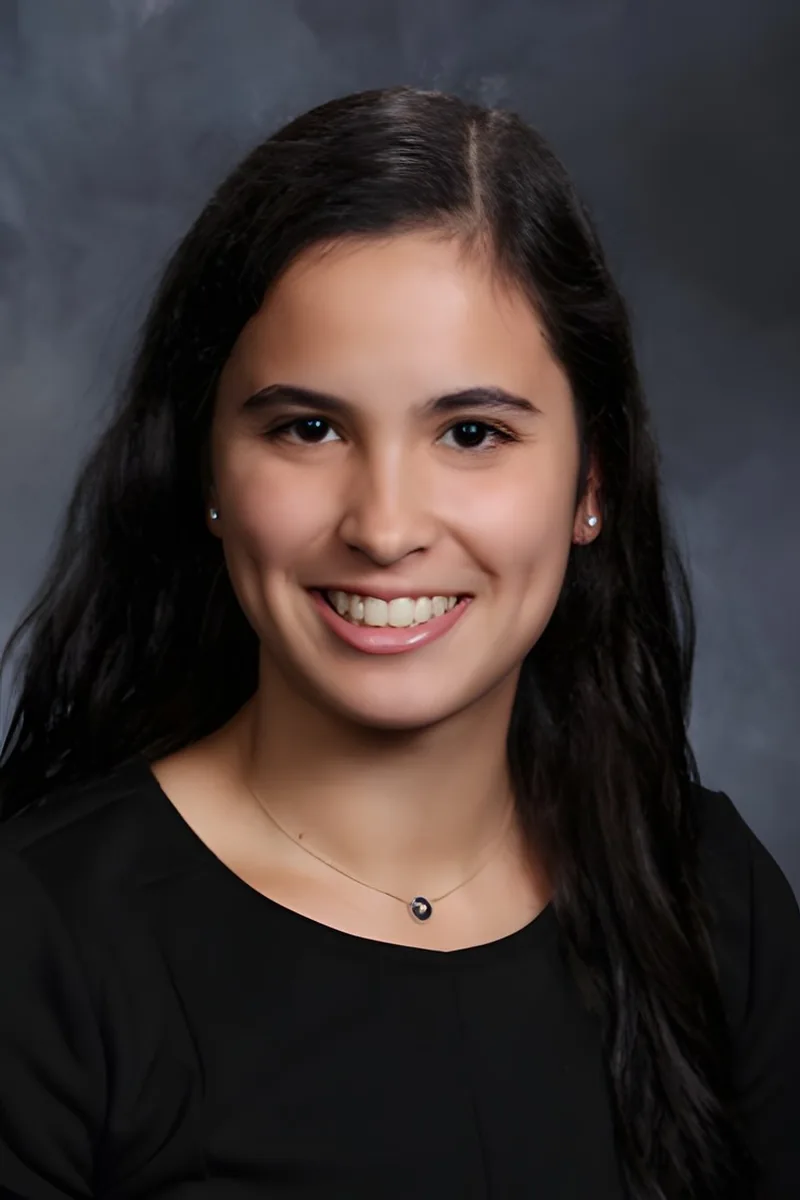
Operations research at the PhD level is essentially applied discrete math — combinatorial optimization, graph algorithms, and logical modeling are Isabella's daily tools at Georgia Tech. Having TA'd college-level math courses at MIT before that, she knows exactly where students stumble on proof by induction or get tangled in recurrence relations, and she builds intuition by connecting those topics to the optimization problems where they do real work. Rated 5.0 by students.
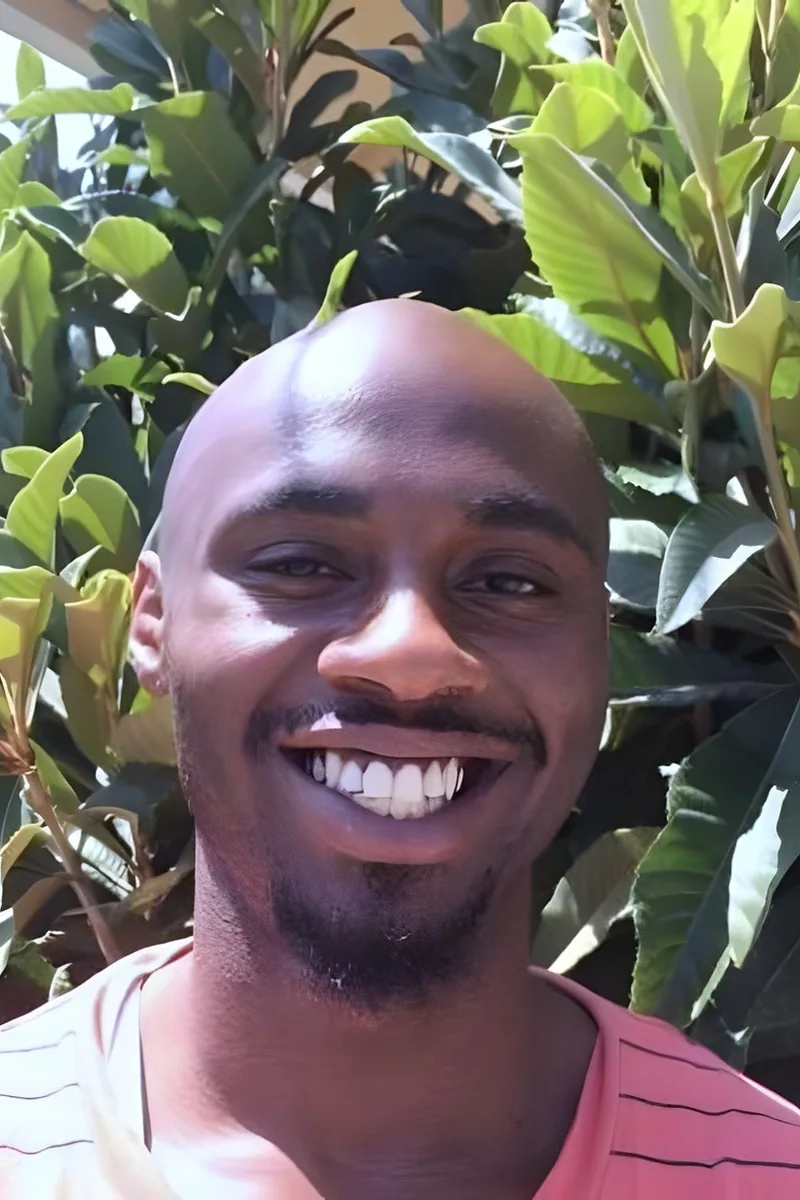
Combinatorics, graph theory, recurrence relations, and formal logic — discrete math can feel like a completely different language compared to the calculus track. Brian's computer science degree at Caltech was steeped in these exact topics, so he tackles proofs by induction and counting arguments with the kind of fluency that makes abstract concepts concrete.
Until age 16, Viktor thought math was just memorizing formulas — then a series of teachers at UChicago's math program showed him the deep logic underneath, which is exactly the shift discrete math demands of every student encountering it for the first time. His 35 ACT and 1600 SAT reflect genuine fluency with logical structure, and he channels that into making the leap from computation to proof writing feel less like learning a foreign language — whether the topic is combinatorics, induction, or modular arithmetic.
As a computer science major at Harvard, Derek uses discrete math constantly — combinatorics, graph theory, proof techniques, and recurrence relations are woven into nearly every CS course he takes. That daily exposure means he can explain concepts like mathematical induction or the pigeonhole principle with real programming examples that make abstract ideas concrete.
Most students walk into discrete math expecting it to feel like calculus — then hit a wall when the course pivots to proof writing, counting arguments, and graph theory. Alex's applied mathematics degree from Stanford means he's built to bridge that gap, breaking down induction proofs and combinatorial reasoning with the kind of structured clarity that makes unfamiliar notation feel manageable. Rated 4.8 by students.
A PhD student in economics at Yale with an undergraduate degree in physics and math, Anthony has encountered discrete structures from multiple angles — combinatorial arguments in economic theory, logical formalism in mathematical proofs, and counting techniques in statistical modeling. He breaks down topics like induction and set operations by connecting them to the quantitative reasoning he uses in his own research, which gives students a sense of why these tools matter beyond the homework. Rated 5.0 by students.
Brown's math curriculum put Zofia through the proof-intensive coursework — induction, combinatorics, graph theory — that discrete math courses are built around, and her IB background means she encountered formal logic earlier than most. She breaks down the leap from computation to proof construction by isolating exactly where a student's reasoning stalls, then rebuilding the argument from that point with concrete examples before reintroducing abstraction.
Computer science at UCLA meant Michael spent serious time with the discrete math that underpins algorithms and data structures — graph traversal, combinatorics, and the logic behind Big-O analysis were woven into nearly every upper-division course. He teaches proof techniques like induction by connecting them to the recursive thinking CS students already use when writing code, which makes the formal notation feel less foreign. His 1560 SAT speaks to the precision he brings to breaking down abstract problems.
As a computer science major at Duke who has TA'd courses in databases and network architecture, Florence uses discrete math every day — from graph theory and combinatorics to logic and set operations. She unpacks topics like recurrence relations and proof techniques by tying them to the CS applications where they actually matter, which makes abstract concepts far more concrete.
Three engineering degrees plus a specialization in applied mathematics mean Rahi has logged serious time with the combinatorial and logical structures that underpin discrete math — particularly counting techniques and recurrence relations that show up repeatedly in applied settings. He approaches proof-based material by connecting it to the concrete problem-solving mindset engineers develop, which can be a relief for students who think better in systems than in abstractions.
As a current teaching assistant for an introductory discrete math course at Penn, Keenan knows exactly where students stumble — proof by induction, combinatorial counting, and graph theory tend to top the list. He unpacks each proof technique with concrete examples before moving to abstract formulations, making the leap from computation-based math to logic-based math far less jarring.
Badeel's political science training at the undergraduate level involved more formal logic and structured argumentation than most people expect — skills that translate directly to truth tables, logical connectives, and proof construction in discrete math. He approaches each proof type by first clarifying the underlying reasoning in plain language before layering on the notation, which keeps students from freezing up when they see unfamiliar symbols. Rated 5.0 by students.
Graph theory, combinatorics, logic, and proof techniques make discrete math one of the most conceptually demanding courses in an undergraduate math sequence. Lainie's AIME qualification and Math Prize for Girls experience gave her years of practice with exactly these kinds of problems — counting arguments, recursive reasoning, and formal proof — before she ever took the college course. She's currently at MIT studying Biological Engineering.
MIT's computer science curriculum puts Brice through discrete math from day one — propositional logic, graph theory, and combinatorial arguments are woven into nearly every CS course he takes. That constant exposure means he can show students how a proof by induction or a counting problem connects to the algorithms and data structures where these ideas actually get used, making the abstract feel purposeful. Rated 4.9 by students.
Most students walking into discrete math have never written a proof before — and Tessa's mathematics coursework at Yale means she remembers exactly where that transition from computation to logical argument gets disorienting. She teaches combinatorial reasoning and propositional logic by pulling apart the underlying structure of each problem, treating proof-writing as a skill you build through practice rather than a talent you either have or don't. Her history training doesn't hurt either — constructing a rigorous historical argument isn't so different from constructing a proof by contradiction.
Winning Duke's DT Stallings Award for sustained tutoring service meant Taariq spent years translating tough mathematical ideas for students who weren't yet comfortable with abstraction — exactly the skill discrete math demands when proof techniques like induction and contradiction replace the equation-solving students are used to. His BS in Mathematics gave him formal training in the logic and combinatorial reasoning at the heart of the course, and he approaches new topics by working through problems alongside students rather than lecturing past them.
Having studied math at both the undergraduate and graduate level, Esteban brings formal training in proof techniques, set theory, and combinatorial reasoning to a subject that trips up students used to computation-heavy courses. He teaches the logic behind each proof strategy — induction, contradiction, direct — by building from concrete examples before moving to abstraction. Rated 5.0 by students.
Graph theory, combinatorics, proof techniques, and recurrence relations — discrete math is the mathematical backbone of computer science, and Ryan lives in this material as a CS student at Cornell. He walks through induction proofs and counting arguments with the fluency of someone who applies them in algorithm design, not just in a textbook chapter.
A doctoral degree in mechanical engineering might not scream discrete math, but Sungae's research at Texas Tech required exactly the kind of optimization and algorithmic thinking — combinatorial structures, logical constraints, graph-based modeling — that discrete courses are built around. She teaches topics like recurrence relations and counting techniques by connecting them to the engineering design problems where she actually used them, which gives abstract material a concrete anchor.
Competition math — which Jacob also teaches — builds exactly the combinatorial intuition and creative counting strategies that discrete math courses test, so students get a tutor whose problem-solving instincts go well beyond standard curriculum. He breaks down topics like permutations, graph arguments, and logical structure by working through progressively trickier cases, a habit sharpened by years of contest-style thinking. Rated 5.0 by students.
Victor's master's in applied mathematics means he's navigated the full transition from computation-heavy coursework to the proof-based, logic-driven thinking that discrete math demands — including combinatorics, recurrence relations, and graph structures. He breaks down each new proof technique by connecting it to the algebraic and analytic reasoning students already have, making the leap to formal arguments feel less like starting over. Rated 5.0 by students.
Proof-heavy and notation-dense, discrete math is the first course where many computer science students realize they can't rely on computation alone. Jacob holds degrees in both mathematics and computer science, so he tackles topics like graph theory, combinatorics, and recursive definitions from both the theoretical and programming-oriented angles. He's particularly good at demystifying induction proofs — breaking the structure into a repeatable template students can adapt to new problems.
As both a computer scientist and a social science researcher, David uses discrete math daily — from combinatorics and graph theory to formal logic and set operations. He teaches these topics by grounding them in the algorithmic and proof-based thinking that his Columbia and UChicago training demanded. Students working through truth tables, recurrence relations, or counting problems get someone who treats discrete math as a native language rather than an elective.
Graph theory, combinatorics, and proof techniques like induction require a different kind of thinking than the calculus track most math students are used to. Michael digs into the logic-heavy side of discrete math — truth tables, set operations, recurrence relations — with a structured approach shaped by his formal mathematics training.
Computer science graduate programs live and breathe discrete math — Brandon's MS coursework at RIT in areas like computer theory, parallel computing, and algorithm design means he's constantly using combinatorial arguments, graph structures, and formal logic in practice. He teaches proof techniques and counting problems by connecting them to the programming contexts where they actually matter, which tends to click for CS students who wonder why they're suddenly writing proofs instead of code.
Pure math PhD work at Boston College means Jacob spends his days immersed in exactly the kind of abstract reasoning that makes discrete math feel foreign to most undergrads — constructing rigorous proofs, manipulating formal definitions, and thinking combinatorially. He breaks down the logic behind concepts like modular arithmetic and graph coloring by connecting them to the deeper structural questions that drive his own graduate research. Rated 5.0 by students.
Pre-med students often underestimate how much logical reasoning their science coursework demands — Pratik's biology degree at Cornell, paired with heavy chemistry and physics training, means he's been constructing and evaluating formal arguments across disciplines for years. He applies that same structured thinking to discrete math topics like propositional logic and basic proof techniques, breaking each argument into clear, sequential steps that make the leap from computation to reasoning feel less jarring.
Proof techniques like induction, contradiction, and combinatorial arguments require a completely different mindset than computational math. Maggie's doctoral work in biomedical sciences involves algorithmic thinking and logical structures that map directly onto Discrete Math topics like graph theory and recurrence relations. She teaches proof-writing as a skill you practice — not a talent you either have or don't.
Proof-writing in discrete math is a different skill than computation, and it's where many students hit a wall — especially with induction, combinatorial arguments, and graph theory. Drisana's graduate mathematics coursework keeps her actively engaged with formal reasoning, so she can pinpoint exactly where a student's logic breaks down and show them how to structure an argument that holds up.
Combinatorics, graph theory, and logical proof techniques require a different kind of mathematical thinking than the continuous math most students are used to. David digs into these topics by emphasizing the reasoning behind counting arguments and recursive definitions, drawing on both his Vanderbilt math training and the combinatorial problems he tackled routinely in actuarial work.
Cornell's Applied Economics and Management program puts Karan squarely in the territory of optimization, probability, and formal decision-making — all of which lean on discrete math concepts like counting arguments, set theory, and logical structure. He breaks down proof techniques by connecting them to the economic modeling frameworks he uses in his own coursework, giving the abstraction a practical anchor. Rated 4.9 by students.
Before pivoting to comparative literature, Dan's academic path ran through mathematics — meaning he's one of the rarer tutors who can talk about combinatorial arguments and proof by induction while also knowing how to teach the clear, structured writing that proof courses quietly demand. That crossover is useful in discrete math, where students often struggle less with the logic itself than with expressing their reasoning on paper. Rated 5.0 by students.
Nuclear engineering coursework is built on the kind of math most students never see in calculus — combinatorial arguments in reactor probability models, Boolean logic in control systems, and set-theoretic reasoning throughout. Moe's graduate work in electrical engineering layered on even more, particularly in graph structures and formal logic, giving him a working fluency with proof techniques like induction and contradiction that he can break down for students still adjusting to math that asks 'why' instead of 'how much.' Rated 4.9 by students.
Jacques came to discrete math through an unusual path: computer modeling coursework during his chemical engineering studies at Princeton, where combinatorics, logic, and graph theory weren't abstract exercises but tools for solving real systems. He brings that applied mindset to topics like recurrence relations, set theory, and proof techniques, connecting each concept to problems students can actually visualize.
Finance might seem unrelated to discrete math, but Alex's graduate work in finance required the same combinatorial counting, probability arguments, and logical structure that drive most discrete courses — portfolio optimization and risk modeling are built on exactly these tools. He brings that applied perspective to proof techniques like induction and contradiction, grounding each step in concrete numerical reasoning rather than leaving students adrift in abstraction. Rated 5.0 by students.
Elizabeth studied discrete math as part of her combined Mathematics and Computer Science degree, so she's worked extensively with proof techniques, set theory, combinatorics, and graph theory in both theoretical and applied contexts. She unpacks the logic behind each proof strategy — direct, contradiction, induction — so students can recognize which tool fits the problem rather than staring at a blank page.
Studying computer science at Columbia means Benjamin lives in discrete math — logic proofs, set theory, combinatorics, and graph theory are the backbone of his CS coursework. He unpacks these topics by tying each theorem or proof technique back to a tangible computing problem, which makes the material click faster than rote memorization alone.
Proof techniques, combinatorics, graph theory, and recursion can feel like a completely different kind of math from what students are used to. Nicholas's graduate work in statistics gave him daily practice with the probabilistic and logical reasoning that discrete math demands, and his programming background in Python and data structures means he can connect abstract concepts to real computational applications.
Graph theory, combinatorics, and recursive structures aren't just exam topics for Daniel — they're the mathematical backbone of the software he builds professionally and the computer science research he's pursuing at the PhD level. His applied math background means he first learned proof techniques like induction and contradiction in their pure form, then immediately saw them resurface in algorithm analysis and data structure design. Rated 5.0 by students.
Graph theory, combinatorics, and recurrence relations are where Roel's applied mathematics training intersects most directly with discrete math — he studied these topics not as isolated abstractions but as tools for modeling real structures and solving counting problems systematically. He breaks proofs down by first identifying the strategy (induction? contradiction? direct?) before touching any notation, which keeps students from drowning in symbols before they understand the argument's shape.
Testimonials
Because the right Discrete Math tutor makes all the difference.
Average Session Rating – Based on 3.4M Learner Ratings
Top 20 Math Subjects


Top 20 Subjects
Frequently Asked Questions
Students often find proof-writing particularly challenging—translating logical statements into rigorous mathematical arguments requires a different mindset than procedural math. Graph theory concepts like finding Hamiltonian paths or analyzing network properties, combinatorics problems involving counting principles and probability, and set theory notation can also feel abstract and disconnected from intuition. Additionally, logic and Boolean algebra require students to think symbolically rather than numerically, which is a significant shift from algebra or calculus. A tutor can help students build confidence in these areas by breaking down complex proofs into manageable steps and showing how abstract concepts apply to real problems.
Proofs require learning specific strategies—direct proof, proof by contradiction, mathematical induction, and proof by cases—each suited to different problem types. A tutor can teach you to recognize which approach fits a given statement, then guide you through organizing your reasoning clearly and justifying each step. Rather than memorizing proof templates, you'll learn to understand why certain logical moves work, which helps you construct original proofs instead of just copying examples. This conceptual foundation makes proofs feel less like mysterious puzzles and more like systematic problem-solving.
Discrete Math is the mathematical foundation for computer science—graph theory powers routing algorithms and social networks, combinatorics underlies cryptography and data compression, and logic is essential to programming and circuit design. Understanding these connections helps make abstract concepts concrete. A tutor can show you how a counting principle applies to algorithm efficiency, or how Boolean logic directly relates to conditional statements in code, making the material feel relevant and less theoretical.
Discrete Math word problems require translating real-world scenarios into mathematical structures—deciding whether to model something as a graph, a set, a permutation, or a logical statement. The challenge isn't the math itself, but identifying which discrete structure fits the problem. A tutor helps you develop this translation skill by working through diverse problem types, asking guiding questions like "Is order important here?" or "Are we counting arrangements or selections?", and building pattern recognition so you can quickly categorize new problems.
Discrete Math introduces heavy notation—set-builder notation, summation symbols, logical quantifiers, graph notation, and combinatorial symbols—that can feel overwhelming. The key is understanding what each symbol means conceptually, not just memorizing it. A tutor can help you learn notation in context by showing how it represents ideas you already understand, then practicing reading and writing it until it becomes natural. This prevents notation from becoming a barrier to understanding the actual mathematics.
Mathematical induction is often confusing because students try to memorize the structure without understanding the logic behind it. The key insight is that induction proves a statement works for all natural numbers by showing it works for a base case (usually n=1) and proving that if it works for n, it must work for n+1. A tutor can help you see induction as a domino effect—once you knock over the first domino and prove each domino knocks over the next, you've proven they all fall. Working through diverse examples—from simple formulas to more complex divisibility and inequality proofs—builds intuition and confidence.
Logic can feel abstract because it's purely symbolic—there's no "plug in numbers" step like in algebra. The breakthrough comes from connecting logical statements to real language and truth tables. A tutor can help you translate English statements into logical notation, use truth tables to verify your reasoning, and see how De Morgan's Laws and other logical equivalences actually work by testing them. Once you see logic as a system for organizing true and false statements rather than abstract symbols, it becomes much more manageable.
In Discrete Math, showing work means clearly justifying your logical reasoning, not just performing calculations. For a combinatorics problem, you need to explain why you're using permutations versus combinations. For a proof, every statement must be justified by a definition, theorem, or previous step. A tutor helps you develop the habit of explaining your reasoning at each stage, which not only helps graders understand your thinking but also helps you catch your own logical errors and deepen your understanding of why solutions work.
Let’s find your perfect tutor
Answer a few quick questions. We’ll recommend the right plan and match you with a top 5% tutor.