Award-Winning PRAXIS
Tutors
PRAXIS
Tutors
Private 1-on-1 tutoring, weekly live classes for academic support, test prep & enrichment, practice tests and diagnostics, and more to elevate grades and test scores.
Based on 3.4M Learner Ratings
UniversitiesSchools & Universities
DeliveredHours Delivered
ProficiencyGrowth in Proficiency
Who needs tutoring?
No obligation. Takes ~1 minute.
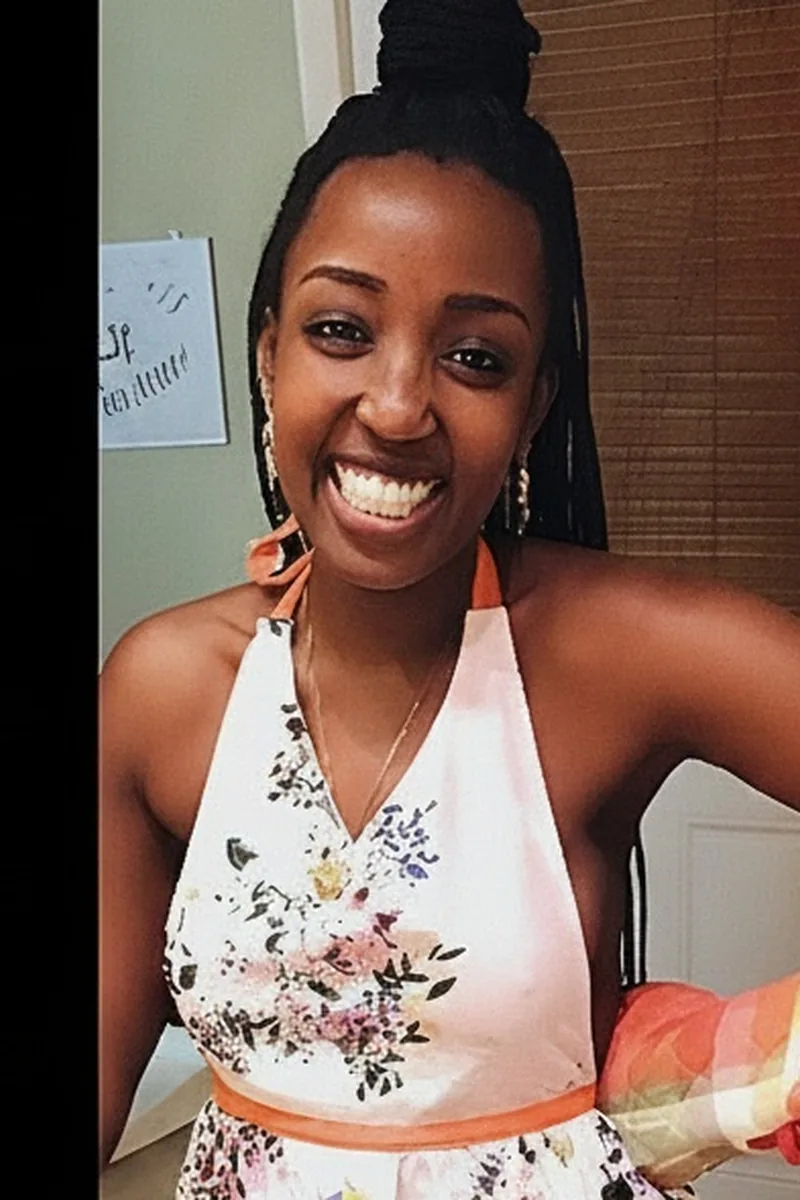
Preparing for the Praxis means juggling content review with test strategy, and the balance shifts depending on which exam you're taking. As a high school teacher with a Master's in Curriculum and Instruction, Marion has been on both sides of the certification process and knows which content areas the exams weight most heavily. She zeroes in on the pedagogy and subject-knowledge questions that trip up first-time test-takers.
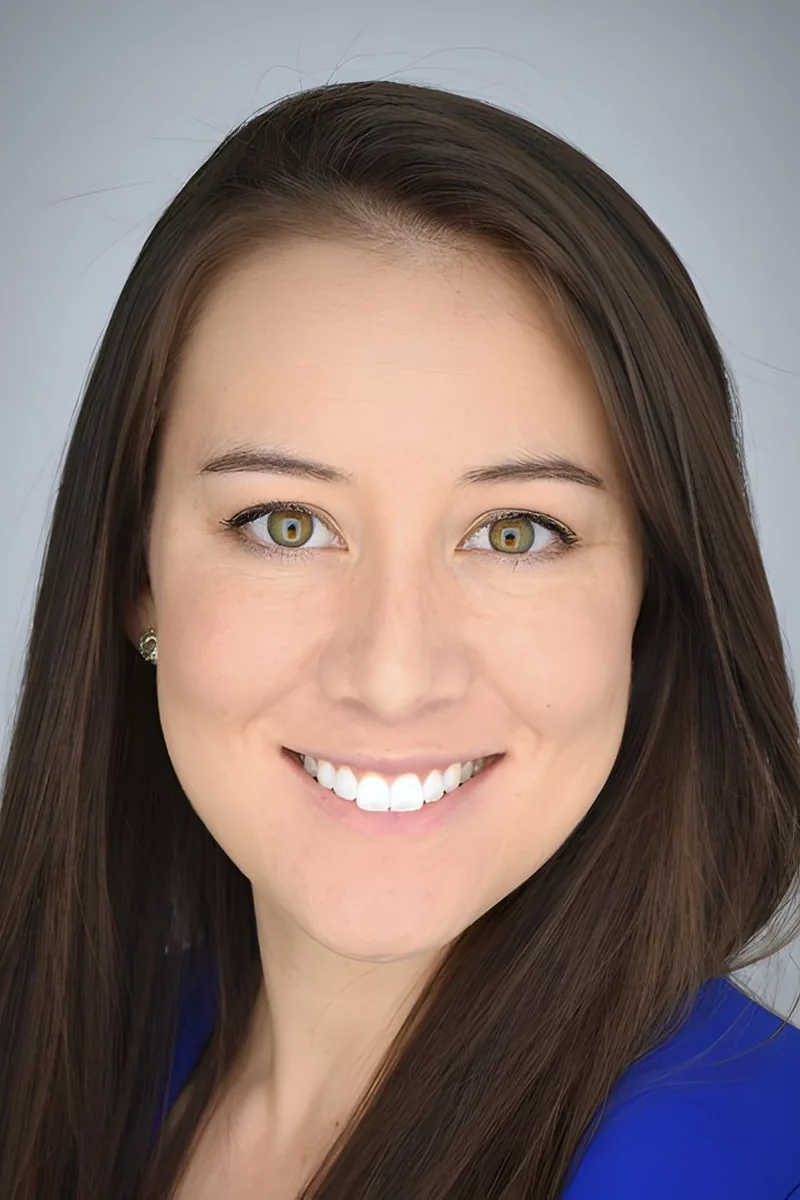
Erica has been through the PRAXIS process herself on the way to becoming a licensed speech-language pathologist, so she knows firsthand how the exam's structure and question style can trip up well-prepared candidates. She teaches targeted strategies for the reading, writing, and mathematics core sections, with particular attention to time management and eliminating answer choices under pressure.
Mati's background spans counseling, special education, and published writing — which means she's lived the content that shows up across multiple PRAXIS exams rather than just studying it for a test. She breaks down each section's question patterns and teaches targeted strategies for the selected-response and constructed-response formats that trip up most test-takers.
The PRAXIS tests future teachers on both content mastery and pedagogical reasoning, and Peter has lived both sides — he holds a master's in English Education and a journalism degree that sharpens his reading and writing instruction. He digs into the constructed-response sections especially, teaching test-takers how to structure answers that hit every scoring rubric criterion.
Mona's own academic path — a pharmacy degree followed by a master's in epidemiology — means she's deeply familiar with the content knowledge tested across Praxis subtests in math, science, and reading. She breaks down each section's question style so candidates know exactly what the scoring rubrics reward, not just what the right answer is.
Having gone through teacher licensure at Vanderbilt herself, Karen knows the PRAXIS inside and out — not just the content, but the particular way questions are framed to test pedagogical reasoning. She breaks down each section's expectations so candidates spend their prep time on what the exam actually rewards.
Robin's biology and medical background covers a significant chunk of the Praxis content knowledge sections, especially for candidates sitting for science-related subtests where cell biology, anatomy, and physiology questions dominate. She also teaches across reading, writing, and math — useful for the Core Academic Skills exam — and approaches each content domain by diagnosing weak spots first, then drilling those areas with timed practice. Rated 5.0 by students.
Gabriela has run PRAXIS Core boot camps covering all three sections — Math, Reading, and Writing — so she knows exactly where aspiring teachers tend to lose points. Her Master's in Math Education and classroom teaching background mean she isn't just prepping someone for a test; she's coaching a future colleague through the specific question formats, time management traps, and content gaps that trip up education majors most often.
Blair earned her Master of Arts in Teaching from Johns Hopkins and has spent years in the classroom teaching high school ELA and AP US History — exactly the kind of real-world experience that makes Praxis content and pedagogy questions feel familiar rather than abstract. She walks test-takers through the reading, writing, and social studies sections with concrete strategies drawn from her own successful path through licensure.
Having gone through the teacher certification process herself with a degree in Music Education, Kate knows the PRAXIS inside out — from the Core Academic Skills tests in reading, writing, and math to the subject-specific content exams. She breaks down the constructed-response questions and teaches time-management strategies that keep test anxiety from eating into scores.
Holding teaching certifications in six different content areas, Ariana has personally navigated the PRAXIS testing process more than most educators ever will. She understands how each exam is structured — from the constructed-response scoring rubrics to the way questions test pedagogical knowledge alongside content mastery. That firsthand experience across English, social studies, French, psychology, health, and music makes her unusually versatile for candidates preparing for multiple PRAXIS exams.
Studying for the Praxis while juggling coursework or a classroom placement is overwhelming, and Emma knows the experience firsthand — she cleared her Praxis exams on the way to earning her M.Ed. in elementary teaching. She breaks prep into manageable chunks across reading, writing, and math, identifying which content areas need the most attention so study time is actually efficient. Her familiarity with both the elementary education and core exams means she can tailor review to whichever Praxis test is coming up next.
Having earned credentials in special education, ESL, and educational leadership herself, Megan knows the Praxis exams from the test-taker's side — not just as an abstract prep exercise. She covers Core Reading, Core Writing, Special Education, Early Childhood, Elementary, and English Praxis tests, breaking down both the content knowledge and the question formats that trip up aspiring teachers. Her approach zeroes in on constructed-response strategies and the specific pedagogical frameworks ETS expects candidates to demonstrate.
I am persuasive and capable of developing rapport and trust, as well as experienced in influencing the attitudes and ideas of others.
The Praxis covers a broad sweep — reading, writing, and math on the Core, plus content-specific depth depending on your certification area. Prahith is a practicing classroom teacher who passed these exams himself and now pinpoints which content strands a candidate needs to shore up rather than grinding through full-length practice tests blindly. That targeted approach is why students rate him 5.0.
As a licensed secondary education teacher who has navigated the certification process himself, Lee knows the PRAXIS inside and out — both the content knowledge sections and the timed, multiple-choice format that catches many test-takers off guard. He builds targeted review plans based on diagnostic results so candidates spend their prep time on actual weak spots rather than re-studying material they already know.
Studying for the Praxis while also completing her own teaching program gives Ayesha a sharp, current perspective on what the exam actually tests — from reading and language arts pedagogy to mathematics content knowledge. She walks through each section's question logic and pinpoints the content gaps that cost the most points, so prep time is spent efficiently.
A biology degree plus a 33 ACT and 1500 SAT mean Kaitlyn already has strong command of the science, math, and reading content that anchors the Praxis Core and many subject-area subtests. She teaches across all three core domains and uses her own test-taking instincts to show candidates how to read ETS question stems carefully and eliminate trap answers quickly. Rated 4.8 by students.
Preparing for the Praxis means mastering both content knowledge and the specific question formats ETS uses to test it. Rachel has been through the certification process herself and understands how the exam connects to real classroom competencies in reading, math, and pedagogy. She zeroes in on the areas where a test-taker's content gaps overlap with the highest-frequency question types, making study time more efficient.
Holding a master's in Urban Education and Leadership, Bryson has been through the PRAXIS gauntlet himself and understands how the exam tests pedagogical reasoning alongside content knowledge. He breaks down each section's question patterns — from interpreting data in the math core to analyzing arguments in the reading and writing portions — so test-takers walk in knowing exactly what to expect.
Passing the PRAXIS means knowing not just your content area but how to navigate the test's specific question formats and time constraints. Nicole tackled the PRAXIS herself on the way to earning her M.A. in Teaching from Western Kentucky University, so she can walk candidates through both the content review and the test-day strategy that makes a difference.
Ryan passed the Praxis II and the EdTPA proficiency exam on his first attempts while completing his history education degree, so he knows exactly how the test is structured and where candidates lose points. He breaks down the content knowledge and constructed-response sections into manageable prep blocks, targeting the specific competency areas each test-taker needs to shore up before exam day.
Jennifer's master's in Curriculum and Instruction makes her a natural fit for PRAXIS prep, since the exam tests exactly the kind of pedagogical knowledge and content literacy she studied in graduate school. She zeroes in on the reading, writing, and content-area subtests, breaking down question patterns and building familiarity with the specific way PRAXIS frames its prompts. Her 4.9 rating speaks to how well that targeted preparation translates to test day.
I am listening to and learning about him or her as an individual. I can also discover what motivates the student during this conversation and plan for how to frame future tutoring sessions in terms of what the student already knows and enjoys.
Jennifer's social sciences degree and broad teaching range across reading, writing, math, and elementary content give her solid coverage of the Praxis Core Academic Skills domains — particularly the reading comprehension and essay sections where candidates often underestimate the scoring rubric. She walks test-takers through ETS's specific expectations for constructed responses and teaches them to budget time across question types so nothing gets rushed at the end. Rated 4.9 by students.
I am a seasoned educator with over 14 years of teaching experience. I currently am a middle school principal but have taught grades 3-college. I am no stranger to Common Core and can help students master material with tried and true strategies!
Speech Language Pathology majors face a unique version of the Praxis — the SLP-specific subtest requires command of language acquisition, phonology, and clinical terminology that most general tutors can't touch. Megan is studying SLP at Northeastern right now, so the content is fresh and actively in her coursework. Her 33 ACT and 1540 SAT also mean she can support candidates tackling the Core Academic Skills sections in reading, writing, and math.
Certified in Math 7-12 in Connecticut, David has been through the Praxis gauntlet himself and knows which content areas carry the most weight on test day. He takes a strategic approach: identifying the specific subtests and question types a student struggles with, then drilling those areas with targeted practice rather than broad review. His 4.9 rating speaks to how well that focused method works under real testing conditions.
I am a certified biology and social studies teacher for grades 7-12. My time teaching has been both rewarding and challenging. One of my focuses as a lead science teacher was to work with students on college readiness. From ACT prep to rigorous lab based science instruction, we saw students grow five points on the ACT and increased the pass rate on the state exam. As my time with Teach for America comes to an end, I am excited to continue my commitment to education with Varsity Tutors. Currently I am working on a Master’s in Public Health at Emory University.
The Praxis covers a wide range of content depending on the certification area, and Kiara's own teaching background means she knows firsthand what the exam is actually measuring. She builds review plans around each candidate's weakest content strands — whether that's reading pedagogy, math reasoning, or constructed-response writing — so study time targets the points that matter most.
I am an educator of the sciences. I have taught Life Science, Biology, Physical and Earth Sciences for fourteen years in grades 7-12. I trained with the Keystone Science School of Denver, Colorado, the LSU Coastal Roots Program and have earned over six hundred hours in science literacy training in many areas. Science has a very strong mathematical component and that is why I also specialize in Math tutoring.
The PRAXIS covers a lot of ground, and Erin's own education background gives her firsthand familiarity with the pedagogy and content knowledge the exam tests. She zeroes in on the areas where a student's practice scores are weakest — whether that's reading comprehension, math reasoning, or writing — and builds targeted review sessions around those gaps.
Preparing for the Praxis means knowing not just content but how ETS frames its questions — the difference between a correct answer and the best answer. Meaghan is completing her own teacher licensure in Missouri and Kansas and understands the exam's structure from the inside, particularly the Core Academic Skills and subject-specific education modules.
As a certified social studies teacher who passed her own Praxis exams, Michelle knows firsthand what the test demands — from content-area knowledge to the constructed-response questions that catch many candidates off guard. She walks test-takers through targeted review strategies and practice question analysis tailored to their specific Praxis subject area.
Scoring a 33 on the ACT gave Kjirsten firsthand experience with the kind of timed, high-stakes testing the PRAXIS demands. She breaks down each section's question patterns and teaches targeted strategies for eliminating answer choices under time pressure. Her own successful PRAXIS preparation means she knows exactly where education candidates tend to lose points.
Preparing for the Praxis means juggling reading comprehension, writing, and math content all at once, which can feel overwhelming without a clear plan. Renae earned her Master of Arts in Teaching and has firsthand experience with the exam's format, so she breaks prep into targeted skill areas — from crafting argumentative essays under time pressure to tackling quantitative reasoning questions efficiently.
Andrea's ESL/TESOL certification and dual background in English Literature and Arabic make her especially useful for Praxis Core candidates who need intensive help with the reading and writing sections — she teaches language structure at a granular level. Her experience working with immigrant students adapting to U.S. curricula also means she understands the pedagogical reasoning questions that show up on education-focused subtests.
Elizabeth's political science degree and 32 ACT give her strong footing in the reading, writing, and analytical reasoning domains that anchor the Praxis Core — and her broad teaching range across English, math, social studies, and grammar means she can pivot quickly between content areas during prep sessions. She zeroes in on the constructed-response sections where many candidates lose points by misreading what ETS's rubric actually rewards.
I have over 9 years of experience tutoring students preparing for teacher certification exams and hold degrees in English and Education, as well as a technical writing certification. I enjoy helping students strengthen their reading comprehension so they can break down test questions and avoid common multiple-choice mistakes. I also guide students in using exam specifications to study strategically and focus on what is most likely to appear on the test. My goal is to help every student feel confident, prepared, and calm on test day. I would love to help you achieve success.
As a current high school math teacher, Brianna knows the PRAXIS from both sides — she's passed the exams herself and now teaches the content daily. She pinpoints which core areas in math, reading, and writing need the most attention and builds targeted practice around them.
Testimonials
Because the right PRAXIS tutor makes all the difference.
Average Session Rating – Based on 3.4M Learner Ratings
Top 20 Professional Certifications Subjects


Top 20 Subjects
Frequently Asked Questions
Many test-takers struggle with time management during the exam, as the PRAXIS requires quickly understanding complex scenarios and responding accurately across multiple content areas. Additionally, students often find that classroom teaching experience or subject knowledge doesn't automatically translate to test success—the PRAXIS tests specific pedagogical knowledge and instructional practices that require focused preparation. Common weak areas include identifying research-based teaching strategies, understanding child development across grade levels, and applying content knowledge to real classroom situations.
Personalized instruction targets your specific knowledge gaps rather than covering the entire exam uniformly. A tutor can identify which content areas you're struggling with, explain difficult concepts using multiple approaches, and provide practice focused on your weak spots—saving you time and increasing your score more efficiently. You'll also receive feedback on practice test responses, learn test-taking strategies tailored to your learning style, and get a structured study plan instead of wondering what to focus on next.
PRAXIS exams vary by teaching specialty, but most include multiple-choice questions, case studies with scenario-based questions, and occasionally constructed-response sections where you write short answers. The exam tests both content knowledge in your subject area and pedagogical knowledge—how to teach that content effectively. Understanding the specific format for your certification (such as PRAXIS I for basic skills, PRAXIS II for content and pedagogy, or PRAXIS III for classroom performance) is essential for effective preparation.
The best tutors have classroom teaching experience in your subject area, deep familiarity with PRAXIS exam content and question types, and a track record of helping candidates improve scores. They should understand both the content being tested and the pedagogical frameworks the PRAXIS emphasizes. Look for someone who can explain not just the 'what' but the 'why' behind teaching practices, and who can create a personalized study plan based on practice test results.
Most candidates benefit from 6-12 weeks of focused preparation, though this depends on your subject area, teaching experience, and current knowledge level. Those with strong subject knowledge may need less time, while candidates preparing for content-heavy tests like PRAXIS Mathematics may need longer. Starting with a diagnostic practice test helps determine your baseline and how much preparation you actually need, allowing you to study efficiently rather than unnecessarily.
Score improvement depends on your starting point and how consistently you prepare. Students who work with a tutor and follow a structured study plan typically see gains of 5-15% above their diagnostic score, with some seeing more significant improvements depending on their initial preparation level. Improvement comes from targeting weak content areas, learning to analyze complex scenarios more effectively, and developing test-taking strategies that work for your thinking style.
Yes, absolutely. PRAXIS Mathematics requires strong problem-solving and the ability to explain concepts in multiple ways, while PRAXIS English Language Arts focuses heavily on literature analysis and composition pedagogy. Science exams emphasize inquiry-based teaching and understanding of scientific processes. Your tutor should specialize in your specific test and understand the unique content frameworks and teaching philosophies emphasized in your subject area.
Let’s find your perfect tutor
Answer a few quick questions. We’ll recommend the right plan and match you with a top 5% tutor.